Kettle Moraine Recycled Plastic Large Hopper Feeder Review 2026
Are you tired of watching squirrels raid your bird seed? Many backyard bird lovers feel the same way. A good feeder keeps birds fed and keeps the mess low.
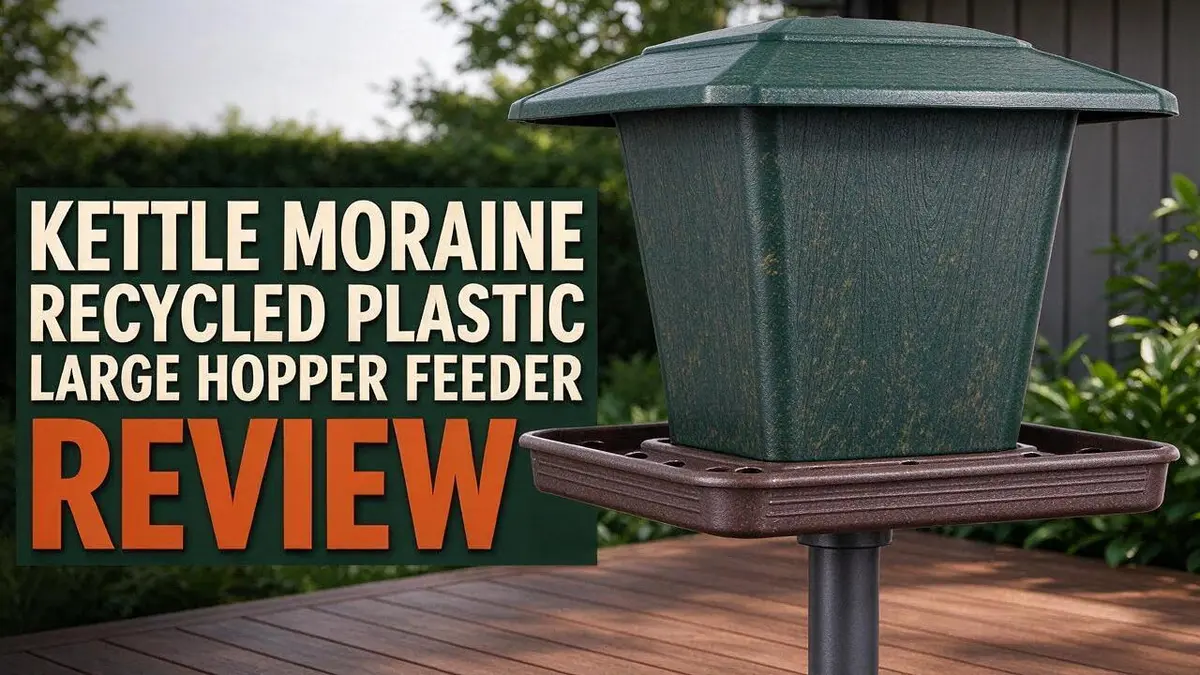
The Kettle Moraine Recycled Plastic Large Hopper Feeder promises a sturdy build and a roomy design. This review looks at what shoppers say. We cover the materials, the cleaning process, and the birds it attracts.
Made from recycled materials, this feeder feels solid in the hand. Customers often praise its quality and its easy cleaning. Several reviewers also say it draws cardinals and finches to the yard.
In a Nutshell
- Easy cleaning: Customers say this feeder is simple to clean and maintain. Less upkeep means more time watching birds.
- Squirrel resistant design: A reviewer reports that squirrels struggle to reach the seed. This feature matters most to many owners.
- Bird appeal: Reviewers say cardinals and finches visit the feeder. This makes it a good pick for songbird fans.
- Strong customer ratings: Shoppers rate the smaller screen hopper model at an average of 4.8 or higher. Consistent praise builds trust.
- Large capacity: Customers say the large model holds plenty of seed. Fewer refills mean less fuss on busy days.
- Mini model details: The mini version holds about 3.5 cups. It measures 10 inches wide, 6.5 inches deep, and 7.5 inches tall. No cons appear in the research so far.
Build Quality and Materials

- Dureable Recycled Construction: Long lasting recycled plastic construcoitn made of old milk jugs!
- Reliable hanging cable makes for easy set up
Last update on 2026-11-24 / Affiliate links / Images from Amazon Product Advertising API Some of the links on this website are affiliate links, which means that at no additional cost to you, I earn a commission if you click through and make a purchase. I only recommend products and services that I believe will add value to my readers. Thank you for your support!
Strong materials make a big difference. Kettle Moraine feeders are often made from recycled HDPE lumber. This dense plastic resists the wear that comes with outdoor use.
Sturdiness matters more than many buyers expect. A feeder sits outside through rain, wind, and heavy bird traffic. Solid walls help it keep its shape over time.
Reviewers describe the build as well made. Shoppers often call the construction sturdy and high quality. That feedback suggests the parts fit together with care.
Recycled plastic avoids the common problems of wood. It does not rot like untreated wood. Old plastic also gets a useful second life.
Weather matters a lot for plastic parts. Sun and rain can wear down cheap materials over time. Good plastic handles outdoor conditions better than many cheap alternatives.
Seed flow depends on design. A well made hopper lets seed drop evenly to the feeding ports. A poor fit can leave seed stuck inside.
Look for weight and balance. A heavier feeder resists tipping in strong wind. Even weight also helps it hang or mount level.
Check the size before you order. The mini model holds about 3.5 cups and measures 10 inches wide, 6.5 inches deep, and 7.5 inches tall. Exact measurements for the large model are not listed here, so check the product page.
Use these simple checks in person. Press gently on the hopper walls. Look for a screen that sits snug. Make sure the roof closes firmly and stays put.
Ask questions before you buy. Read recent reviews that mention cracks, warping, or loose parts. These comments reveal how the feeder holds up after months outdoors.
A solid build means a feeder that lasts through many seasons. A feeder with a sturdy frame and good materials stays useful year after year. Choose a build that fits your yard and your birds.
The final verdict on build quality looks positive. Sturdy materials, recycled plastic, and reviewer praise point to a durable feeder. Your backyard conditions will decide the rest.
Capacity and Dimensions
Capacity shapes how often you refill. Seed disappears fast when a flock gathers. A roomy hopper gives you more time between visits.
The smaller mini version holds about 3.5 cups. That amount suits a quiet yard with a few regular visitors.
The large model has no official capacity listed in our research. Once it arrives, fill the hopper with a measuring cup. That gives you a clear number.
Footprint matters as much as volume. The mini model measures 10 inches wide, 6.5 inches deep, and 7.5 inches tall.
Those measurements help you picture the space. Measure the spot before you hang it. Check that your pole or hook can handle a full load of seed.
Seed type changes the math. Different seeds weigh differently. They also fill space in different ways. Measure the mix you actually buy, not just the label.
A few regular visitors may need only a small refill each week. A busy yard may empty the hopper much faster. Plan your refill routine around your yard, not around the box.
Track the first week. Note how fast the seed drops each day. That number shows your real capacity. It beats any guess from a chart.
Fill it in stages instead of all at once. Smaller top ups keep the seed fresh and dry.
Think about your feeding goals. Do you want to attract a steady crowd? Or do you want a simple stop for a few birds? Your answer changes the ideal size.
Space around the feeder also matters. Birds need room to land and leave safely. Leave clear air around the feeder, not just a tight corner.
Some yards see more hungry visitors than others. In those yards, extra capacity saves trips outside. Check the level each morning to plan ahead.
Choose the size that fits your space. The mini works well for tight spots. The large model suits a busy feeding station. Measure first, then decide.
Keep it simple. You do not need to match every number. Pick a size that fits your space and your bird traffic. A good fit makes the whole hobby easier.
Bird Attraction and Squirrel Resistance
Bird attraction starts with the right spot. Hang the feeder where you can see it from a window. You will spot visitors faster and learn their habits.
Birds prefer calm areas. Constant noise and heavy foot traffic make them nervous. A quiet corner near a shrub gives them cover while they eat.
Seed choice also matters. Black oil sunflower seed draws many common backyard species. Cracked corn and millet attract ground feeders, so add them if doves or sparrows visit often.
Online reviews offer a useful starting point. Your region and neighborhood decide which birds show up first.
Squirrels need a plan too. A well designed feeder helps, but clever squirrels test every gap. Mount the feeder at least several feet from trees, fences, and roofs.
Squirrels often jump from nearby branches. Add a baffle or a pole guard for extra protection. This simple step blocks many climbing attempts.
Think of the feeder as one line of defense. Good placement and regular checks add more protection. You will spend less time chasing pests away from the seed.
Keep the seed dry and fresh. Wet or moldy seed can make birds sick. Empty old seed after rain, and wipe the tray and ports often.
Consistency builds a regular crowd. Birds remember reliable food sources. Refill on the same schedule each week so visitors learn to return.
Patience pays off. Some species arrive within days, while others take several weeks. Give your setup time before you judge the results.
Watch the feeder at different times of day. Morning and late afternoon often bring the busiest crowds. Notice which birds linger and which ones leave quickly.
Note any squirrel that tries a new approach. Adjust the height or distance right away. Small changes often stop repeat visits.
Simple habits keep the feeder working well. Check the perches and screen for loose parts each month. A quick look prevents small problems from becoming big ones.
Top 3 Alternatives
Looking for other options? These three hoppers make strong alternatives to the Kettle Moraine feeder. Birds love hoppers because they hold plenty of food and keep it easy to reach.
Droll Yankees Hopper

- Dipper squirrel proof bird feeder from Droll Yankees.
- Specially designed to prevent squirrels from accessing the seed.
Last update on 2026-11-24 / Affiliate links / Images from Amazon Product Advertising API Some of the links on this website are affiliate links, which means that at no additional cost to you, I earn a commission if you click through and make a purchase. I only recommend products and services that I believe will add value to my readers. Thank you for your support!
This hopper is a classic pick for backyard birders. Its wide tray gives birds a place to perch and feed. Its sturdy build can handle windy days well.
The clear sides help you check seed levels at a glance. Cleaning is simple because the parts come apart easily.
Perky-Pet Large Hopper

- ACCOMODATE MULTIPLE BIRDS: The Perky-Pet 325S includes two tiers of seed trays and circular perches to let birds feed from all angles and allow multiple birds to dine at the same time
- EVENSEED TECHNOLOGY: The feeder's Evenseed technology uses 2 separate compartments so all ports stay active

Last update on 2026-11-24 / Affiliate links / Images from Amazon Product Advertising API Some of the links on this website are affiliate links, which means that at no additional cost to you, I earn a commission if you click through and make a purchase. I only recommend products and services that I believe will add value to my readers. Thank you for your support!
This feeder holds a large supply of seed. It works well for people who want to fill it less often.
Its sturdy top keeps the seed dry during light rain. Several birds can eat at the same time from the open ports. Fill the tray with black oil sunflower seed for the best results.
Woodlink Hopper Feeder

- Whimsical Gazebo Design
- Ready To Hang
Last update on 2026-07-11 / Affiliate links / Images from Amazon Product Advertising API Some of the links on this website are affiliate links, which means that at no additional cost to you, I earn a commission if you click through and make a purchase. I only recommend products and services that I believe will add value to my readers. Thank you for your support!
Woodlink builds this hopper with a durable frame. It fits well in small yards and on busy patios. Many gardeners choose it for its simple design and easy setup.
The roof protects the seed from rain and snow. You can hang it from a hook or mount it on a pole.
Pick the one that fits your space and your birdwatching goals. Your backyard visitors will thank you.
Ease of Cleaning and Maintenance
A feeder only works well when it stays clean. Regular care protects your birds and keeps the feeder ready for the next visitor.
The listing describes this design as easy to clean and maintain. That simple promise matters because smooth surfaces make each cleaning session quick.
Start with a simple routine. Empty the hopper first. Then remove old seed and hulls from the tray and feeding ports.
Use warm water and mild dish soap. Scrub every surface with a soft brush. Skip harsh chemicals, because they can leave a residue that birds may avoid.
Rinse every part thoroughly. Leftover soap can cling to the plastic and reach the seed. Clear water removes the last traces.
Let everything dry completely. Air dry the parts in a shaded spot or indoors. Damp corners invite mold, so wait before adding fresh seed.
Check the ports and seams often. Look for clogged openings or seed stuck in corners. A pipe cleaner or thin brush clears them fast.
Plastic does not need paint, oil, or sealant. Skip those extra steps and focus on regular washing instead.
Inspect the parts every month. Look for cracks, loose screws, or worn edges. Tighten or replace damaged pieces before they cause bigger problems.
Plan a deep clean each season. Take the feeder apart if the design allows it. Scrub hidden corners, then reassemble everything once it is fully dry.
In wet weather, clean the feeder more often. Standing moisture and falling droppings can spread germs quickly. Short, frequent cleaning sessions work better than one big effort.
Wear gloves during cleaning. Gloves protect your hands from bacteria in droppings. Wash your hands well afterward with soap and water.
Keep a simple cleaning kit nearby. Store a brush, a bucket, and a pipe cleaner in one spot. Having tools ready makes cleaning day feel easy.
Mark your calendar. Set a reminder for cleaning days. A regular schedule keeps the job from slipping and helps you spot problems early.
A clean feeder makes every visit safer for birds. Your effort pays off with a steady crowd and a happy backyard.
Pros and Cons
Pros
- Sturdy build with quality materials that feel solid.
- Recycled plastic gives old material a second life.
- Large capacity holds more seed, according to customers.
- Top ratings from shoppers, averaging above 4.8 stars.
- Cardinals and finches visit, based on one reviewer report.
Cons
- Large model specs are not listed in the research.
- Squirrel-proof claim comes from only one reviewer.
- Bird attraction is backed by a single report.
- Few cons are documented, so limited feedback exists.
Who Should Buy It
This feeder suits many types of bird fans. Some people want a simple setup that lasts for years. Others want less daily hassle. Both groups may find a good match here.
New bird lovers often feel unsure where to start. This feeder gives them a sturdy and clear starting point. It feels solid in the hand, so beginners can trust it. Starting small also keeps the hobby from feeling overwhelming.
Busy households can benefit from this design too. People with full schedules rarely have spare time for frequent refills. A roomy hopper means fewer trips to the seed bin. Less refilling also frees up time for simply enjoying the view.
Families with children often enjoy watching birds up close. Kids can learn which visitors arrive first. Those small moments build a lasting interest in nature. Watching birds can also calm a busy home.
Shoppers who care about waste will likely appreciate the materials. This feeder uses recycled plastic, which fits a greener lifestyle. Choosing it sends a clear message about sustainable habits.
Shoppers with limited space should measure first. Large model specs are not listed in the research. Check the dimensions against your yard or balcony before you buy.
People who need a proven squirrel barrier should read further. The squirrel proof claim comes from just one reviewer. Such buyers may want extra guards or a backup plan.
Those who want a long list of pros and cons may feel stuck. Few cons are documented, so the feedback is limited. Look for more reviews to build a fuller picture.
In short, this feeder suits people who want sturdy, easy care gear. Measure your space, set realistic goals, and enjoy your new feathered guests.
Final Verdict
Our final take is simple. This feeder earns a spot on the short list for most backyard setups. It gives you a solid base to build on.
Think of this as a strong starting point rather than a perfect fit for everyone. The research supports the build quality and easy cleaning. Shopper feedback also looks strong. Still, a few details remain unknown.
Check the size before you commit. The large model specs are not listed in the research. So measure your deck rail, pole, or window ledge first. Make sure the footprint fits your space.
Next, think about what you plan to serve. Black oil sunflower seed draws many common backyard birds. Mixed blends often attract ground feeders, which can mean more scattered spills below. Start small and adjust as you learn.
Placement matters too. Hang it near shrubs or trees so birds feel safe landing. Keep it within view of a window so you can enjoy the visitors every day. A quiet spot often works better than a busy path.
Treat the squirrel claim as a hopeful sign, not a guarantee. Only one reviewer reported it. Plan a backup step if squirrels already visit your yard. A baffle on the pole is a simple guard that blocks climbing.
Give the feeder a fair test. Watch it over the first month. Track which birds arrive and how fast the seed disappears. Keep a simple log with dates and bird types. If activity stays low, move the feeder a few feet and try again.
Who should choose this now? Buyers who want a sturdy, low maintenance option with a clear track record can feel confident. Buyers who need a proven squirrel barrier or a confirmed large size should gather more facts first.
Final answer: buy it if your space fits and your goals match. Measure first, plan for squirrels, and give birds time to find you. Your patience will likely pay off. With that plan, this feeder can become a dependable part of your backyard routine.
Frequently Asked Questions
What kind of seed works best in this feeder?
Black oil sunflower seed is a popular choice for many backyard birds. Fill the feeder with fresh seed only. Wet or moldy seed can make birds sick, so toss out any clumps.
How much seed does the Mini model hold?
The Recycled Mini Moraine Hopper Feeder holds about 3.5 cups. It measures 10 inches wide, 6.5 inches deep, and 7.5 inches tall. Check these numbers against your planned spot before you buy.
Can kids help fill and watch the feeder?
Yes, kids can help with daily filling. Keep the feeder at a height they can see from a window. Watching birds from indoors is a fun and calm activity for children.
Should I keep the feeder full in winter?
Birds need extra energy during cold months. Keep the hopper full when snow or freezing rain arrives. Check the seed level often, because birds may empty it faster in winter.

Hello, I’m Amelia White, the founder of birdsfanatic.com. As a lifelong bird enthusiast and spiritual seeker, I’ve always been fascinated by the mystical connections between birds and the human experience. On this site, I share my knowledge and insights into the symbolic meanings and spiritual significance of various bird species, exploring their roles in mythology, folklore, and cultural traditions. Join me on this journey into the world of birds, where we’ll discover the hidden wisdom and guidance that these magnificent creatures have to offer.