Effective Strategies to Deter Swallow Birds From Nesting
Swallow birds often nest near houses due to safety and easy access. To keep them away, you can use several strategies. Visual deterrents, like shiny objects, and auditory options, like noise makers, can help. Physical barriers, such as nets or spikes, also work well to prevent nesting.
It is important to choose humane and environmentally friendly methods. This ensures the well-being of the birds while protecting your property. Next, let's look at these methods in detail to find the best solutions for your situation.
Key Takeaways
- Install strong netting to block access to key nesting areas, securing all potential entry points effectively.
- Employ visual deterrents like reflective surfaces, bright colors, and moving objects to disrupt swallows' nesting preferences.
- Use predator call recordings and distress calls to create an auditory environment that discourages swallows from nesting.
- Maintain regular cleaning to eliminate likely nesting materials and fill open spaces to make areas less attractive for swallows.
- Educate communities about swallow behavior and humane deterrent strategies, fostering awareness and encouraging participation in management efforts.
Understanding Swallow Nesting Behavior
To deter swallow birds from nesting, it's important to understand their nesting habits.
Swallows often return to the same spots each year. They like sheltered areas such as eaves, ledges, and overhangs. Pay attention to their flight patterns, as they're agile birds that swoop low to catch insects. Watching for their movements can help you know when they're looking for nesting sites.
By observing these behaviors, you can take steps to make your space less inviting. For example, you might change the environment or use deterrents.
Understanding these patterns can help create an atmosphere that discourages swallows from nesting on your property.
Identifying Common Nesting Locations
Identifying common nesting locations can help you deter swallows effectively. These birds often nest in eaves, overhangs, or sheltered areas near human structures.
Look around your property for these spots. If you've seen swallows nesting before, check those areas closely.
Swallows use materials like mud and grass to build their nests. Watch where they gather these materials; this can show you potential nesting sites.
By finding these locations, you can take specific steps to discourage nesting. Making your property less inviting to swallows is key.
Understanding swallow habits allows you to take action. With proper steps, you can protect your property from unwanted nesting.
Utilizing Visual Deterrents

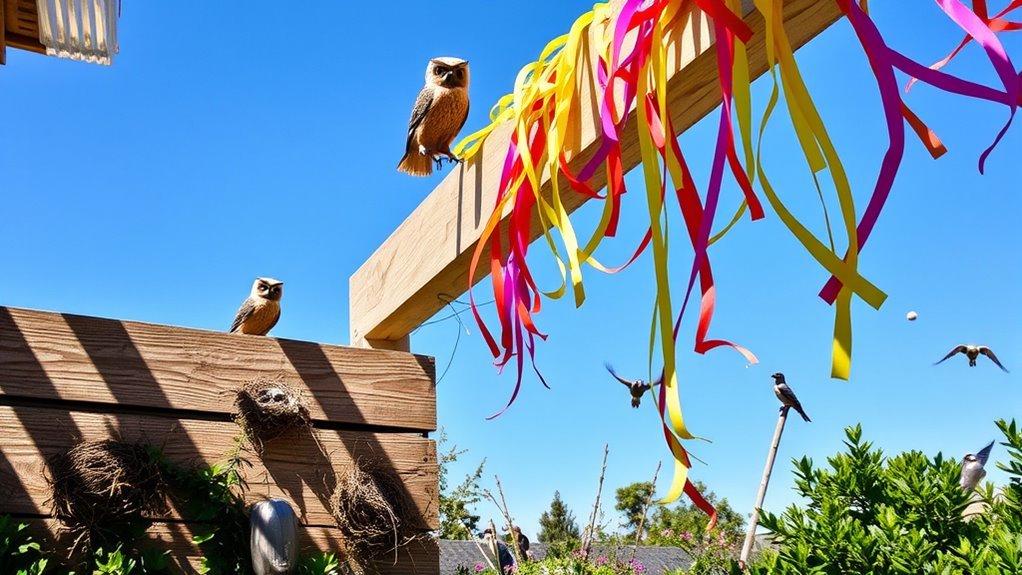
Visual deterrents can help keep swallows from nesting on your property. Use reflective surfaces like aluminum foil, mylar balloons, or reflective tape. These items can confuse swallows and make them feel unwelcome.
Bright colors, such as flags or wind spinners, can also create an uninviting space. Swallows naturally avoid unfamiliar sights, which can help reduce nesting.
Place these deterrents near areas where swallows usually nest. Change their positions regularly to keep them effective. By taking these steps, you can create a nest-free environment while encouraging your neighbors to appreciate your efforts.
Implementing Auditory Deterrents
Auditory deterrents can help stop swallows from nesting. Using sounds can make the area less inviting for these birds.
Here are some methods to consider:
- Predator Calls: Play recordings of predators like hawks to create fear.
- Distress Calls: Use sounds of swallows in distress to signal danger.
- Natural Sounds: Introduce background noises from places without swallows.
These sounds can make the area feel less welcoming.
Mixing these techniques can improve your efforts. With consistent use, you can create a space free from swallow nests, making it more enjoyable for you.
Installing Physical Barriers
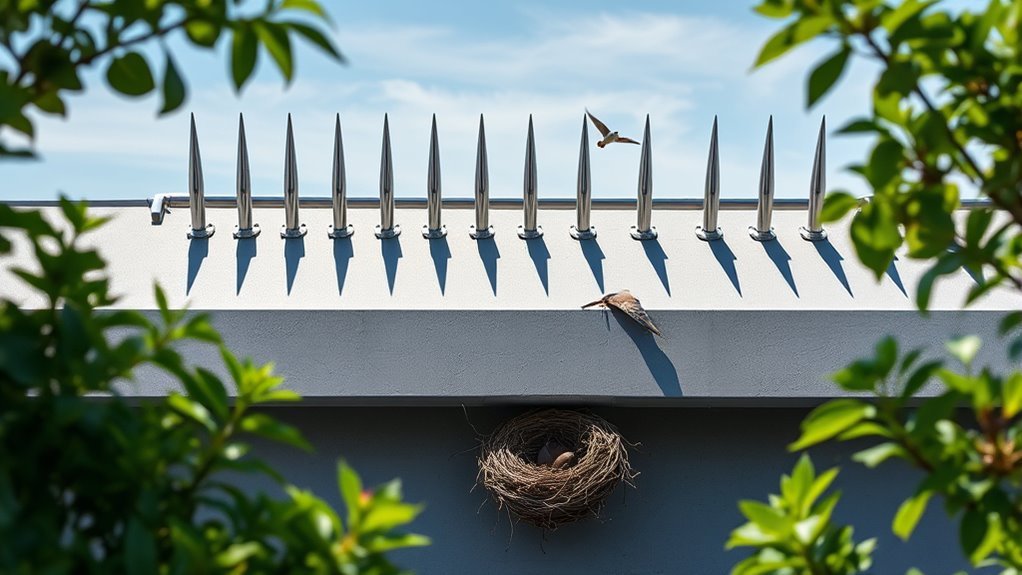
To prevent swallows from nesting, installing physical barriers can be effective. Use strong netting materials that resist birds while allowing airflow.
Follow these steps for successful installation:
- Identify where swallows are nesting.
- Measure the area accurately.
- Secure the netting in place using staples or zip ties. Ensure it's tight and covers all entry points.
Consider adding slanting roofs or angled ledges, as these changes make nesting less attractive.
Maintaining a Clean Environment
To keep swallows from nesting, it's important to maintain a clean environment along with installing physical barriers.
Here are three simple steps to keep your area clean and less appealing for nesting:
- Clear debris: Remove twigs, leaves, and grass clippings from near your property to eliminate nesting materials.
- Seal openings: Close off spots where swallows might gather. This makes it harder for them to find places to nest.
- Check regularly: Look around your property often for signs of nesting. Act quickly to address any issues you find.
Timing Your Prevention Efforts
Timing your prevention efforts is important because swallows return to nesting sites in spring.
Start your seasonal assessment in late winter to find potential nesting areas. Monitor these spots to decide on necessary actions. As spring approaches, swallows become more active, so act quickly. Clean and make repairs before swallows arrive.
This proactive approach will help deter them from nesting. Being prepared and understanding their behavior supports a bird-friendly environment while protecting your space.
Using Repellent Coatings
Repellent coatings can effectively keep swallows from nesting. Choosing the right product and applying it correctly is important. Here are three key coating types to consider:
- Gel-based coatings — These create a slippery surface that prevents swallows from landing.
- Liquid repellents — You can spray these on surfaces. Many contain natural ingredients that stop nesting.
- Physical barrier coatings — These make surfaces uneven, which discourages birds from settling.
Always follow the manufacturer's instructions when applying these coatings.
Weather conditions and surface types can affect how long the coatings last and how well they work. Regularly check the surfaces to ensure they remain swallow-free.
Planting Suitable Vegetation
To deter swallows from nesting around your property, consider using suitable vegetation. Choose native plants that suit local conditions. These plants offer dense cover and reduce open areas that swallows prefer for nesting.
A diverse habitat attracts various wildlife, which can compete with swallows for food and resources.
Select a mix of shrubs and grasses that grow well in your area. Create layers of vegetation that disrupt sightlines, limiting swallows' nesting options. This method enhances your landscape and supports other birds and pollinators.
Seeking Professional Assistance
Swallows may still nest around your property, even with effective landscaping. If your efforts don't work, getting professional help can be very useful. Here are some options:
- Wildlife Experts: These specialists will evaluate your situation and suggest effective strategies.
- Wildlife Management Services: Professionals in this field use humane methods to deter swallows while following wildlife protection laws.
- Nest Removal: Safe methods for nest removal can stop swallows from returning.
Working with professionals can improve your efforts and connect you with others who care about wildlife management.
Their knowledge will help you find a balance between your space and local wildlife. By collaborating with experts, you support a thoughtful solution for both you and the swallows.
Educating the Community
Educating the community about swallows and their nesting habits is important for creating effective deterrent strategies.
Organize local workshops to discuss how swallows affect the environment. These sessions can share educational resources explaining risks and humane ways to deter swallows.
Encourage discussions about coexisting respectfully to help residents see how they can be part of the solution. Invite participants to ask questions, share experiences, and work together on answers, fostering a sense of community.
Provide clear guides and promote ongoing education to empower community members to take informed steps. This helps ensure that swallows remain welcome visitors rather than unwanted guests.
Monitoring and Adjusting Strategies
Monitoring swallows' nesting habits is important for effective management. Use adaptive strategies to deter them. Regularly check their behavior through data analysis and adjust your methods.
Here are three strategies to consider:
- Nest Removal: Remove existing nests to prevent swallows from nesting again.
- Change Environment: Modify the area to make it less attractive for nesting, such as filling in open spaces.
- Observe Behavior: Watch swallow activity to find the best times for nesting and act quickly when needed.
These actions can help manage swallows effectively while keeping the environment balanced.
Frequently Asked Questions
Can Swallow Bird Nests Cause Property Damage?
Swallow bird nests can cause property damage if left unattended. Their droppings can corrode surfaces and affect property safety. Keeping nests clean and maintained reduces these risks. This helps protect your property while supporting a healthy environment for the birds. Regular upkeep ensures that both your home and the birds can thrive together.
Are Swallow Birds Protected by Law?
Swallow birds are often protected by law. Local regulations may have specific rules regarding their protection and nesting. It is important to check these regulations. This ensures compliance and helps maintain the ecological role these birds play. If you have concerns about nesting, local guidelines can provide the necessary information.
What Are the Signs of Swallow Nesting Activity?
To identify swallow nesting activity, watch for mud nests placed under eaves. Listen for chirping sounds and notice an increase in bird activity. Other signs of nesting include droppings found under nests and scattered feathers nearby, which show that the birds have settled in.
Will Deterring Swallows Affect Other Bird Species?
Deterring swallows can disrupt local ecosystems. This action may change swallow behavior and reduce bird diversity. Other bird species that use similar nesting sites or food sources could also be affected. It is important to consider these impacts before taking any action.
How Long Does It Take for Swallows to Abandon a Nest?
Swallows usually leave their nests within a few days if they notice signs of abandonment, such as silence or a lack of activity. The time they spend nesting can change based on various factors. If intervention occurs early, it may speed up the process of abandonment.

Hello, I’m Amelia White, the founder of birdsfanatic.com. As a lifelong bird enthusiast and spiritual seeker, I’ve always been fascinated by the mystical connections between birds and the human experience. On this site, I share my knowledge and insights into the symbolic meanings and spiritual significance of various bird species, exploring their roles in mythology, folklore, and cultural traditions. Join me on this journey into the world of birds, where we’ll discover the hidden wisdom and guidance that these magnificent creatures have to offer.