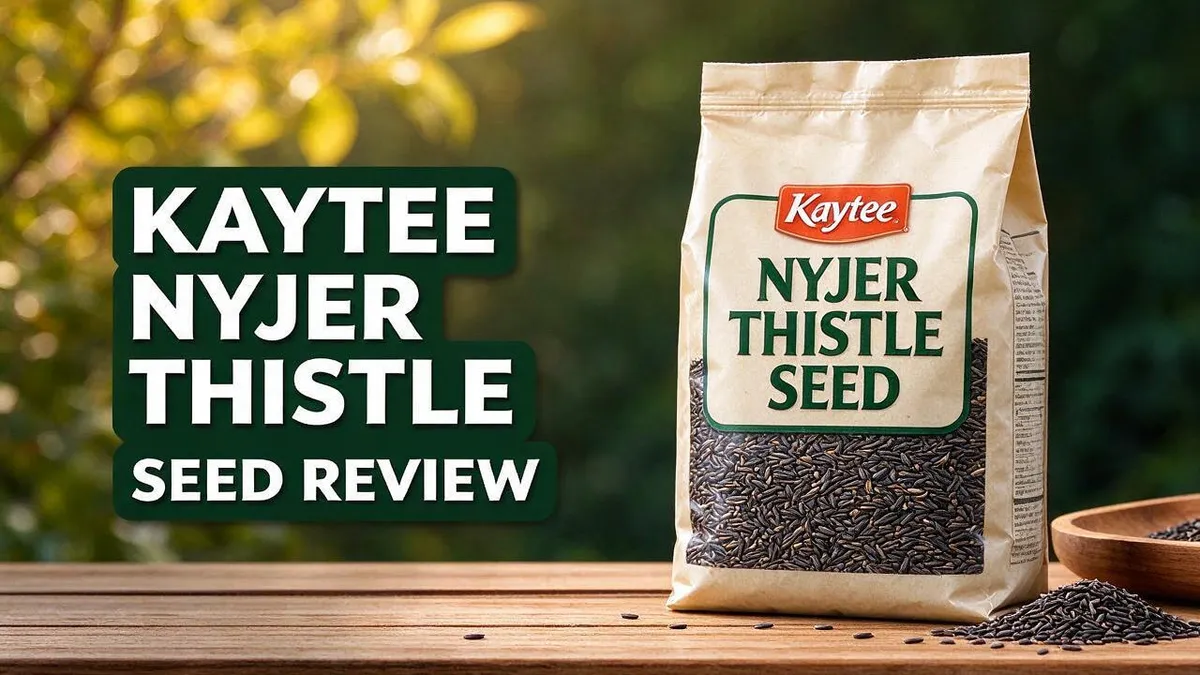
Kaytee Nyjer Thistle Seed Review 2026: Is It Worth Buying?
Do you want more goldfinches at your feeder? Kaytee Nyjer Thistle Seed might help. This tiny black seed is a finch favorite. Goldfinches, purple finches, pine siskins, and redpolls all visit for it. The seed gives small birds quick energy, and it leaves no leftover hulls behind.
Kaytee heat sterilizes the seed before import. That step stops added seeds from sprouting under your feeder. The bag comes in 3 lb, 8 lb, and 20 lb sizes.
Still, the seed has a few drawbacks. Its high oil content and thin shell can cause spoilage within days. Some birds also ignore it or toss it aside. So is it right for your yard? This review covers the pros, the cons, and the freshness issues, so you can decide with confidence.
In a Nutshell
- Easy to eat: Finches crack the thin shell quickly. You get no leftover hulls piling up under the feeder.
- Small bird magnet: Purple finches, pine siskins, and redpolls join the crowd too. Backyard visits tend to be frequent.
- Three bag sizes: You can pick the 3 lb, 8 lb, or 20 lb bag. The bag pours neatly, so refilling feels simple.
- Freshness is the big catch: The high oil content can spoil the seed in as few as a few days. Buy small bags and refill often.
- Mixed results: Some birds ignore the seed or toss it aside. A few buyers also report filler and freshness problems. One reviewer said local birds ate a generic bulk seed from Tractor Supply more readily.
- Feeder option: The Super Finch Sock Feeder from Kaytee offers an easy way to serve the seed. Check the seed often and replace it when it looks stale.
Seed Quality and Nutrition

- No hulls, 100% edible. No messy leftovers under feeders, in yards and flowerbeds, and on patios.
- High oil content provides a highly nutritious food

Last update on 2026-11-13 / Affiliate links / Images from Amazon Product Advertising API Some of the links on this website are affiliate links, which means that at no additional cost to you, I earn a commission if you click through and make a purchase. I only recommend products and services that I believe will add value to my readers. Thank you for your support!
Good nutrition keeps small birds active during cold weather. Kaytee Nyjer Thistle Seed gives finches a concentrated food source that fuels their busy days. Let’s look at what the label reveals.
The label lists a maximum crude fiber level of 27.0%. That number shows how much indigestible material sits in each bite. Knowing this helps you compare it with other seeds on the shelf.
Moisture matters too. The label caps moisture at 12.0%. Lower moisture keeps the seed drier, so it holds its quality better in your feeder.
Nyjer packs a lot of oil into each tiny seed. Birds gain quick energy from that fat, which helps them survive chilly nights. Finches especially need this boost during molting and winter months.
Each seed has a thin shell. Birds eat nearly all of it, which means almost no hull waste collects below the feeder. Your yard stays cleaner as a result.
Balance matters too. Nyjer works best as part of a varied menu. Pair it with sunflower chips or millet to give finches a wider range of nutrients.
Store it well. Keep the seed in a sealed container away from heat and humidity. A dry, cool spot protects the nutrients inside.
Watch your feeder closely during the first week. Note which birds eat well and which ignore the seed. This simple habit tells you whether the nutrition fits your yard.
Fresh food gives your flock the best start. Check the label, store it dry, and observe how your birds respond.
Bird Species Attracted and Feeding Response
Lesser finches also make this seed part of their menu. They often arrive in small flocks and feed side by side. Watching them work together is a fun part of backyard birding.
Frequent visits are a good sign. Finches often return again and again once they find the seed. Their steady return shows that the seed suits their taste.
Local bird populations matter a lot. A yard in one region may attract far more finches than a yard in another. Your location shapes what visits your feeder.
Think about the hulls too. Birds eat the entire seed, so the feeding area stays cleaner. Less mess means less work for you.
Many finches cling to the feeder while they feed. They hang upside down and pick at the seed with quick, sharp movements. This style makes them fun to watch.
Smaller birds may need more time to adjust. Give them several days before you judge the results. Patience often helps new visitors feel at home.
Migration seasons can bring new visitors. Keep the feeder filled and check it often. Sudden changes in the flock often show that new birds have found your yard.
Keep other seed piles away from this feeder. Competing foods can pull birds away from the Nyjer. A clear feeding spot keeps the focus on your finches.
Good placement also matters. Hang the feeder where birds can see it from nearby shrubs. Birds feel safer when they have cover close by.
Finches often prefer a quiet spot. Busy paths and loud noise can keep them away. A calm yard invites them to stay longer and feed more.
Sit still near the feeder for a few minutes each day. Birds grow used to people who stay calm.
Freshness, Oil Content and Spoilage
Check the seed before you fill the feeder. Open the bag and take a quick sniff. Fresh seed smells mild and slightly nutty. Seed that smells sour or sharp should go in the trash.
Look for clumps too. Dry seed pours freely. Wet or stuck seed often means mold is starting. Tiny white or fuzzy spots are a clear warning sign.
Buy only what you can use fast. A small bag often beats a large one for light feeding. Your flock may take weeks to finish a 20 lb bag, and the seed keeps aging the whole time.
Clean the feeder often. Old seed stuck in the ports or tray turns rancid fast. Wipe the feeder with warm soapy water each week. Dry it fully before you refill.
Refill in small amounts. Add only enough seed for a day or two. Empty leftover seed from the tray before you add fresh seed. Mixing old and new seed speeds up spoilage.
Keep feeders dry during rain. Moisture helps mold grow fast. Choose a feeder with a roof or hang it under an eave. Dry seed stays fresh much longer.
Rotate your bags too. Use the oldest bag first. Write the purchase date on each bag with a marker so you know its age.
Seasonal timing matters too. Buy a fresh bag before cold months arrive. Stock up in small batches, so the seed never sits long in your garage.
Watch for birds that stop visiting. Clean out any seed that sits untouched for several days. Fresh seed brings the flock back quickly.
Trust your nose and your eyes every time you refill.
Top 3 Alternatives
Looking for a new seed to try? These three options are worth a look. Each one works well for finches and other small birds in your yard.
Wild Delight Nyjer Seed

- Virtually dust-free
- Premium-grade Nyjer seed
Last update on 2026-11-13 / Affiliate links / Images from Amazon Product Advertising API Some of the links on this website are affiliate links, which means that at no additional cost to you, I earn a commission if you click through and make a purchase. I only recommend products and services that I believe will add value to my readers. Thank you for your support!
Wild Delight Nyjer Seed is a great pick for goldfinches and other small songbirds. The tiny seeds are rich and oily, which many finches love. You can pour the seed into a standard nyjer feeder with very little mess.
Check the bag date before you buy. Old nyjer loses its scent, and birds may ignore it. Fresh seed keeps your feeder busy all season long.
Morning Song Nyjer Seed

- High-oil content seed for your goldfinches
- Also attracts buntings, doves, purple finches, house finches, juncos, redpolls, and siskins
Last update on 2026-11-13 / Affiliate links / Images from Amazon Product Advertising API Some of the links on this website are affiliate links, which means that at no additional cost to you, I earn a commission if you click through and make a purchase. I only recommend products and services that I believe will add value to my readers. Thank you for your support!
Morning Song Nyjer Seed gives you a simple way to attract finches to your yard. The seed flows easily through feeder ports. Many backyard birders like how little waste it leaves on the ground.
Store it in a dry, cool spot. Moisture can make the seed clump and spoil. A sealed container keeps it fresh for weeks.
Kaytee Finch Food

- ULTIMATE FINCH-FAVORITE SEED BLEND - Expertly crafted with premium nyjer (thistle) seed and fine sunflower chips to attract goldfinches, house finches, and other small songbirds quickly
- NO MESS, SHELL-FREE FORMULA - 100% edible ingredients mean no hulls, no waste, and no cleanup under feeders—perfect for patios, decks, and small yards
Last update on 2026-11-13 / Affiliate links / Images from Amazon Product Advertising API Some of the links on this website are affiliate links, which means that at no additional cost to you, I earn a commission if you click through and make a purchase. I only recommend products and services that I believe will add value to my readers. Thank you for your support!
Kaytee Finch Food suits people who want variety at the feeder. Finches enjoy more than one seed type, so a mix can keep them coming back. Offer it in a clean feeder and refill it often.
Watch the feeder after rain. Wet seed can spoil quickly, so remove any damp seed and wash the feeder before refilling.
Pick the seed that fits your feeder and your local birds. Then watch your yard fill with bright, cheerful visitors.
Package Sizes and Handling
Kaytee sells this seed in three sizes. You can choose a 3 lb, 8 lb, or 20 lb bag. Each size suits a different feeding routine.
The 3 lb bag works well for one feeder. It also lets you test whether your visitors like the seed. The 20 lb bag fits busy yards with many finches.
Pouring is simple. The bag has a convenient design for moving and pouring. Keep a small cup nearby for quick refills without spills.
Lift the bag from the bottom when you carry it. Grabbing the top seam can tear the bag and spill seed across your deck.
Pests can get into bags. Mice and insects chew through paper and thin plastic. Store opened bags off the ground, and check the corners often.
Plan your storage space. A 20 lb bag needs a dry shelf or bin. Measure your shed, garage, or closet before you choose this size.
Write the open date. Use a marker to note when you open each bag. This simple habit helps you track how long the seed sits on your shelf.
Sort out debris first. Pour the seed into a shallow tray. Pick out any stray twigs or dusty pieces before you fill the feeder.
Bag sizes also affect how often you handle the seed. Each refill means opening the bag again. Fewer openings mean less exposure to air and moisture.
The 8 lb bag often sits in the middle. It gives you enough seed for several weeks in a moderate yard. Track your use for one month, then decide.
Start with a test batch. Try the seed in a smaller size first. Watch which birds visit and how quickly the seed disappears.
Mess Level and Feeder Compatibility
Mess is a common worry for backyard bird lovers. This seed is very small, so it spills easily. Tiny seeds can slip through gaps and land far from the feeder.
The good news is that there are no leftover hulls. Birds eat the whole seed, so you will not find piles of empty shells below. Still, some birds toss seed to the ground, and that loose seed can pile up fast.
Feeder compatibility matters a lot here. Nyjer works best in feeders built for small seeds. Look for tiny feeding ports that keep the seed from pouring out. A standard tube feeder with large openings may let too much fall through.
The Super Finch Sock Feeder is a useful match. Its fine mesh holds small seeds well and lets finches cling while they eat. This design cuts down on scattered seed and keeps the feeding area tidy.
Ground feeding is another angle. Some birds prefer to pick through spilled seed. A shallow catch tray or a ground cloth under the feeder can catch drops. You can sweep up the extra seed each week and keep the yard clean.
Wet weather makes the mess worse. Spilled seed can clump and stick to soil or grass. Sweep up drops after rain so the seed does not spoil or draw pests.
Sock feeders need a little care too. Fine seed can work into the fabric over time. Shake the sock gently over a tray before each refill to keep it neat.
Choose your feeder before you buy the seed. A good match means less waste, fewer messes, and happier finches. Check your feeder ports each season, since worn parts can let more seed escape.
Storage and Shelf Life Tips
Keep the seed away from sunlight and heat. A sunny porch or a hot garage speeds up spoilage. Pick a cool spot inside the house or a shaded closet instead.
Avoid storing it near chemicals. Fertilizer, gasoline, paint, and pesticides can leave strong smells. Birdseed soaks up odors easily, so keep it far from these items.
Lift bags off concrete floors. Concrete can hold moisture and pass it into the bag. Set bags on a wooden pallet, a plastic shelf, or a raised bin instead.
Use a clean scoop every time. Damp hands or dirty cups can add moisture and old dust. Keep one dry scoop just for the seed so it stays fresh.
Never pour fresh seed on top of old seed. Old seed sits at the bottom and goes stale without anyone noticing. Use up the older bag first, then start the new one.
Think about a freezer for extra storage. Some bird lovers freeze a spare bag to slow spoilage. Let it reach room temperature before you open it so moisture does not form inside.
Fold the top shut and clip it closed after every scoop. A quick clip takes two seconds and keeps air out between refills.
Pick a bin that seals tight. A lid with a gasket keeps air out better than a loose cover. Choose a food safe plastic bin that holds the whole bag.
Watch the weather before you restock. Buy and carry bags on a dry day when possible. Damp bags can carry moisture into your storage area.
Label the bin with the seed type. This helps you tell Nyjer from other seeds at a glance. Mixed bins cause confusion and waste.
Pros and Cons
Pros
– Finches and other small birds love this seed.
– The seed is rich in energy, so birds get a quick boost.
– It draws frequent visits from small backyard birds.
– A sock feeder version gives you another way to serve it.
– Several finch species often show up at your feeder.
Cons
– The high oil content can make the seed spoil in just a few days.
– Some birds ignore it or toss it out.
– Some buyers report filler and freshness problems.
Who Should Buy It
This seed suits people who want to attract finches. If goldfinches are your favorite visitors, this seed belongs on your list.
Backyard watchers who love variety will enjoy it too. Purple finches, pine siskins, lesser finches, and redpolls all show interest in it.
Beginners can also benefit. A simple seed like this brings small birds to a new feeder quickly.
Think about your yard before you commit. Small birds need to be nearby, so place the feeder where they can see it from a window.
Who should skip it? Anyone hoping for a crowd of cardinals or jays may feel let down.
Shoppers with a tight routine should also pause. Nyjer needs regular refills because finches eat it up quickly.
Seasonal visitors come and go. Plan for steady refills and keep an eye on your feeder during busy months.
Here is the bottom line. If you want finches and small songbirds, this seed makes sense for you.
If you want a broad mix that every bird loves, look at other options. Your ideal seed depends on the birds you hope to see.
Feeder fans with a plan can get the most from this seed. Start by picking a clean spot that gets good light and easy access for birds.
Families with kids often enjoy watching small birds up close. Children can learn bird names and track which visitors return each week.
Finally, keep your expectations realistic. Some days you will see a steady crowd, and other days the feeder stays quiet.
A little patience goes a long way with finches. Watch the feeder for a few weeks before judging results.
Final Verdict
Kaytee Nyjer Thistle Seed earns a solid recommendation with a few clear conditions. It does one job well. It gives small finches a seed they can eat quickly.
The lack of leftover hulls keeps your feeder and the ground below tidy. You skip the shell mess that bigger seed blends leave behind.
Start small before you commit. The 3 lb bag lets you test your local birds without a big stock of seed. If finches arrive, move up to the 8 lb or 20 lb bag later.
Try the Super Finch Sock Feeder version as a second test. Some birds like to cling and pick from a mesh sock. A new feeding style may win over a shy flock.
Run a side by side trial if you can. One report says local birds ate a generic bulk seed from Tractor Supply with no fuss. Your own yard will tell you which seed wins.
Trust your eyes and nose. Check the seed as soon as you open the bag. Look for filler, dust, or a stale smell. Replace any bag that seems off.
Keep a simple log for two weeks. Note which birds visit and how fast the feeder empties. This habit shows you whether the seed works for your yard.
Our final call is a reliable pick for finch fans who buy small bags and refill often. Freshness remains the one weak spot. A little care turns this seed into a daily treat for your smallest backyard visitors.
Frequently Asked Questions
What nutrients does this seed contain?
The label lists a maximum of 27.0% crude fiber and 12.0% moisture. Check the label on each new bag. Lower moisture helps the seed stay dry in storage.
Why is this seed heat sterilized?
The seed gets heat treated before import. This step stops any added seeds from sprouting. A clean mix means fewer unwanted plants near your feeder.
Can I mix this seed with other bird food?
You can, but keep it simple. Finches often feed best from a dish that holds this seed alone. Try a separate feeder first and compare the visits.
Will birds find a new feeder quickly?
Not always. Finches may need a few days to spot a new feeder. Stay patient and keep the seed fresh. Small birds often reward a steady routine.
How do I keep the feeder clean?
Wash the feeder often with mild soap and warm water. Rinse it well and let it dry fully before you refill it. A clean feeder helps the seed stay fresh and keeps birds healthy.

Hello, I’m Amelia White, the founder of birdsfanatic.com. As a lifelong bird enthusiast and spiritual seeker, I’ve always been fascinated by the mystical connections between birds and the human experience. On this site, I share my knowledge and insights into the symbolic meanings and spiritual significance of various bird species, exploring their roles in mythology, folklore, and cultural traditions. Join me on this journey into the world of birds, where we’ll discover the hidden wisdom and guidance that these magnificent creatures have to offer.