
Keeping Birds Out of Barns: Effective Techniques
Keeping birds out of barns can be challenging, but it is manageable. First, identify the bird species and their behaviors. This knowledge helps you apply effective solutions. Use physical barriers and deterrents as essential measures. Additional modifications and regular maintenance can create an environment that discourages birds from entering. Here are some practical techniques to help you secure your barn.
- Seal Openings: Check for gaps and holes in the barn structure. Use materials like mesh or wood to close these openings. This prevents birds from entering.
- Install Bird Spikes: Place bird spikes on ledges, beams, and other resting spots. Spikes make it uncomfortable for birds to perch.
- Use Netting: Install bird netting around the barn. It blocks birds while allowing light and air in. Ensure the netting is secure and free from holes.
- Employ Visual Deterrents: Hang reflective objects like CDs or aluminum foil strips. The light reflection can scare birds away.
- Sound Devices: Consider using sound deterrents that mimic predator calls. This can make the barn less appealing to birds.
- Regular Cleaning: Keep the barn clean to remove food sources. Clean up spills and store feed in sealed containers.
- Check Feeding Practices: If you keep animals in the barn, ensure their food is properly stored to avoid attracting birds.
By applying these techniques, you can keep your barn safe from unwelcome birds and maintain a clean, secure environment.
Key Takeaways
- Install strong bird netting and fine mesh screens to block access to windows and vents without compromising ventilation.
- Use visual deterrents like reflective tape and owl decoys alongside motion-activated devices to scare birds away.
- Modify barn structure by sealing gaps, designing steep roof angles, and adding overhangs to prevent bird landings and nesting.
- Maintain cleanliness by regularly cleaning the barn, removing food waste, and managing water sources to deter birds effectively.
- Combine multiple strategies, including physical barriers, structural modifications, and repellents, for enhanced protection against bird intrusion.
Assessing Bird Species and Their Behavior

To keep birds out of barns, first identify the bird species in your area and learn their behavior. Common species include sparrows, starlings, and swallows.
Observe when they visit and where they nest. This information is key to your strategy. Different species have different habits; some like open spaces, while others prefer sheltered areas.
Look for signs of nesting or feeding to identify potential problems. Understanding bird behavior and species will help you create effective deterrents.
This approach helps maintain a bird-free barn environment and fosters good relationships with other barn owners.
Installing Physical Barriers
Installing physical barriers is an effective method to keep birds out of your barn. Here are clear solutions you can use:
- Bird Netting: Use strong netting to close off entry points around windows and vents.
- Solid Doors: Install solid doors that close tightly to eliminate gaps where birds can enter.
- Mesh Screens: Add fine mesh screens to doors and windows. These allow ventilation but prevent bird access.
- Wire Fencing: Place wire fencing around outside areas to stop birds from roosting nearby.
Using Bird Deterrents and Repellents

To keep birds out of your barn, you can use effective deterrents and repellents along with physical barriers.
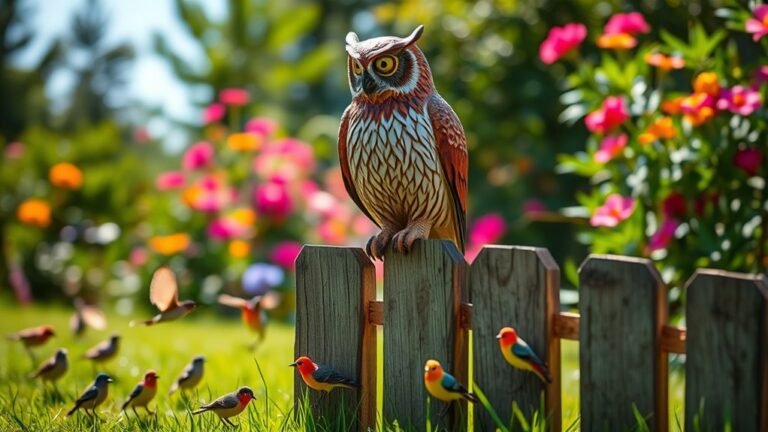
Visual deterrents, like reflective tape, owl decoys, and motion-activated devices, can scare birds away without harming them. These methods make your barn less attractive to birds.
Consider using chemical repellents made for this purpose. These products release scents that birds dislike, helping to prevent them from entering your barn. Always use these products as directed by the manufacturer to ensure safety for both animals and humans.
Modifying the Barn Structure
Modifying your barn structure can help keep birds out effectively.
If traditional methods fail, consider making these design changes:
- Seal openings: Cover gaps around windows and doors with mesh or netting.
- Steep roof angles: A steep roof can deter birds from landing.
- Install overhangs: Overhangs block access to nesting areas.
- Check ventilation: Ensure vents are covered to reduce entry points.
These adjustments can create an environment that discourages birds from entering your barn.
Maintaining Cleanliness and Sanitation

After making structural changes, keeping your barn clean is crucial for preventing birds from settling in.
Regular cleaning routines help reduce bird droppings, which can harm the health of your livestock and yourself. Sweep and disinfect the floors, clear away food waste, and keep water sources clean to stop birds from choosing your barn as a home.
Pay close attention to corners and hidden spots where droppings might collect. Dispose of any bird waste properly to avoid attracting more birds.
Creating an Uninviting Environment
To keep birds out of your barn, you can create an environment that makes them want to leave.
Here are some clear and simple steps to follow:
- Paint barn doors and window frames bright colors like red or yellow. These colors can be unwelcoming for birds.
- Hang reflective items, such as strips of aluminum foil. These shiny surfaces can confuse birds and make the area less attractive.
- Use strong scents like citrus oils or vinegar. These smells can deter birds from settling in.
- Put up barriers like netting or mesh. These can close off entry points while still allowing air to flow.
Implementing these strategies will help you maintain a bird-free barn.
Implementing Sound Devices
Implementing sound devices in your barn can help keep birds away. These devices produce sounds that birds find unpleasant. You can use motion-activated speakers that play bird distress calls or other irritating noises when birds enter.
It's important to use these devices consistently to show birds that your barn isn't a good place for them.
Another option is to install sonic repellents that continuously play sounds. By using these sound strategies, you can make your barn less inviting for birds.
This will help maintain a clean and safe environment for you and your animals. Take action now to protect your space and enjoy your barn more fully.
Consulting Professionals for Help
Bird control devices can help keep birds away, but you might need expert help for stubborn cases.
Consulting bird control specialists can offer solutions to keep your barn clear of birds. Here are some advantages of professional assistance:
- They evaluate your barn's weak points.
- They use effective bird control techniques.
- They effectively implement their strategies.
- They monitor and adjust their methods regularly.
Getting expert help can ensure your barn stays bird-free with reliable results.
Frequently Asked Questions
What Are the Primary Diseases Birds Can Transmit to Livestock?
Birds can spread diseases like avian influenza and salmonella to livestock. These infections can harm the health of your animals. To keep them safe, regularly check for symptoms. Implement strong biosecurity measures to protect your livestock from these diseases. Stay informed and act quickly to ensure the well-being of your animals.
Can Bird Control Methods Harm Other Wildlife?
Some bird control methods can harm other animals by disrupting nature. It is important to choose bird management techniques that reduce risks. This helps protect other wildlife while managing bird populations effectively. Stay aware!
How Do I Know if My Barn Is Bird-Proof?
To determine if your barn is bird-proof, first look for any entry points. Check for gaps or openings where birds can enter. Use bird-proof materials to seal these spaces, making sure no small areas remain accessible to birds. This will help keep your barn free from unwanted feathered visitors.
Are There Legal Restrictions on Bird Control Techniques?
Yes, there are legal guidelines for bird control techniques. Ensure your methods comply with local laws. Consider ethical practices that promote humane solutions while protecting your property. Stay updated to avoid any legal problems.
What Is the Cost of Hiring Professional Bird Control Services?
The cost of hiring professional bird control services can vary greatly. It depends on the services offered and your location. To find a good fit for your budget and needs, compare different companies. Check their prices and reviews to ensure you choose a reliable option. Saving money while ensuring effective bird control is possible with some research.

Hello, I’m Amelia White, the founder of birdsfanatic.com. As a lifelong bird enthusiast and spiritual seeker, I’ve always been fascinated by the mystical connections between birds and the human experience. On this site, I share my knowledge and insights into the symbolic meanings and spiritual significance of various bird species, exploring their roles in mythology, folklore, and cultural traditions. Join me on this journey into the world of birds, where we’ll discover the hidden wisdom and guidance that these magnificent creatures have to offer.