Wild Delight Nut N’ Berry Bird Food Review: Worth It in 2026?
Do you want more color and activity at your feeder? Wild Delight Nut N’ Berry Bird Food might help. This review covers what you need to know.
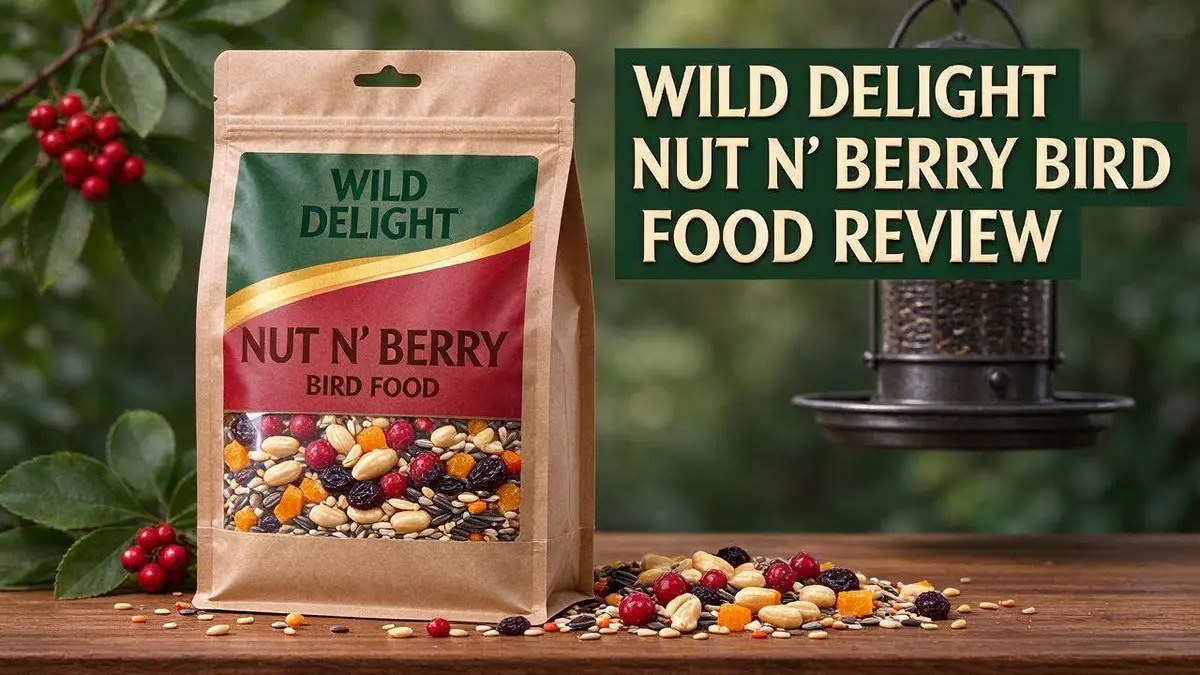
The mix blends sunflower kernels, peanuts, pistachios, pumpkin seeds, raisins, cranberries, and cherries. Birds get protein, energy, and natural sweetness in every scoop.
The formula also includes vitamins, minerals, electrolytes, and amino acids. Cardinals, chickadees, finches, jays, nuthatches, titmice, and woodpeckers all enjoy it.
In a Nutshell
- Broad bird appeal: The mix attracts cardinals, chickadees, finches, titmice, nuthatches, jays, grosbeaks, buntings, and woodpeckers. One feeder can host many visitors.
- Energy and protein: Raisins give birds quick energy. Peanuts add protein. Together they make a balanced snack.
- Fewer fillers: Brand reviews say the blend has fewer fillers and longer lasting seed. Birds eat more of what you pour.
- Main drawback: Users report seed waste with a similar Nut N Berry blend. Birds pick out the sunflower and drop corn, millet, and milo on the ground. Check the ground under your feeder after a few days.
- Size choices: You can start with a 5 lb bag to test bird interest. A 20 lb bag (SKU 366200) suits busy feeders and larger flocks.
- Competitor check: Wild Birds Unlimited offers higher quality blends. 3D Pro Blends Nut N Berry Blend is another close rival worth a look.
Ingredients and Seed Mix Quality

- Real Nuts and Fruits
- Added Vitamins, Minerals, and Electrolytes

Last update on 2026-11-17 / Affiliate links / Images from Amazon Product Advertising API Some of the links on this website are affiliate links, which means that at no additional cost to you, I earn a commission if you click through and make a purchase. I only recommend products and services that I believe will add value to my readers. Thank you for your support!
Seed without shells is a big plus for a clean yard. The sunflower kernels arrive ready to eat, so small birds spend less time cracking hulls. Less shell means less husk piling up under your feeder.
Safflower adds another useful layer to the mix. Many songbirds enjoy this seed, and cardinals often favor it. Squirrels and grackles tend to leave it alone, so your feeder may stay focused on the birds you want to see.
The peanuts and pistachios bring healthy fats to the blend. Fats give birds a steady source of energy during cold months. Birds burn energy fast on chilly mornings, so this matters.
Dried milk protein is an unusual addition to a seed mix. It gives extra protein that supports birds during nesting season. Most basic seed blends skip this ingredient entirely, so it stands out on the label.
Mineral oil plays a different role in the bag. It helps the seeds hold their coating and may cut down on dust. Clean feed keeps feeding stations easier to maintain.
Storage deserves attention too. Raisins, cranberries, and cherries hold moisture, so the mix can spoil in damp weather. Keep the bag sealed in a dry bin and check for clumps or musty smells before filling your feeder.
Pay attention to freshness as well. Older seed loses flavor and nutrition. Buying an amount you can use within a few weeks keeps the mix at its best.
Overall, the ingredient list shows clear thought. Each component serves a purpose for different birds. Watching what disappears from your feeder will show how well this mix fits your backyard.
Nutrition and Fortification
Good nutrition helps backyard birds stay healthy all year. This mix adds a nutrient boost that supports birds through busy seasons.
Vitamins play a key role in immune health. Birds that eat well often resist illness better, which keeps your feeder safer for visitors.
Electrolytes matter most in cold months. They help birds keep their body fluids balanced when water sources freeze or dry out.
Amino acids support feather growth. Strong feathers help birds fly, insulate their bodies, and recover well after molting.
Keep in mind that fortified seed works as a supplement. Birds still need clean water and natural insects to round out their diet.
Fortification also helps during breeding season. Parent birds need extra energy and nourishment to feed hungry chicks, so a fortified blend can support nesting families.
Read the label with care. Look for added nutrients, then compare them with other blends you see at the store.
Your birds will show you what works. Watch which species visit often and how they look over several weeks.
Nutrition also affects feeder behavior. Well fed birds often stay longer at the feeder.
Cold weather raises energy needs. Birds burn more calories to stay warm, so a mix packed with nutrients can help them through frosty nights.
Pair the seed with fresh water. Birds need drinking and bathing water year round, and fortified food works best with it.
Keep the feeder clean too. Old seed can grow mold, which harms birds even when the nutrients are strong.
Good nutrition and clean feeders work together. Healthy birds visit more often, and your yard becomes a lively place to watch.
Bird Species Appeal
Every feeder tells a story about the birds nearby. This mix speaks to many different visitors at once. You may see small songbirds, bold jays, and even shy woodpeckers.
Chickadees and titmice usually show up first. They fly in quickly, grab a piece, and head to a branch to eat. Watch for this pattern because it shows the mix is working.
Nuthatches enjoy the larger nut pieces. They often hop headfirst down tree trunks near your feeder. Woodpeckers may visit too, especially when peanuts are fresh.
Cardinals and grosbeaks prefer to stay closer to the feeder. They like a stable perch and quiet surroundings. Place your feeder near shrubs so these birds feel safe enough to linger.
Shy species need patience. Finches may take a few days to find a new feeder. Keep the feeder filled and clean, and the regulars will spread the word.
Bird activity changes with the seasons. Winter brings the biggest crowds because natural food is scarce. In spring, expect more visits from nesting pairs who need extra energy.
Quiet mornings often bring the most action. Birds feel calm before the yard gets busy with people and pets. Fill the feeder early in the day so the first visitors find fresh food.
Mixed flocks are a joy to watch. Different species often gather at the same time and share the space. Sit near a window and count the visitors you spot each morning.
Your own yard will reveal the best spots. Some birds prefer open views while others want thick cover nearby. Watch which species return most and adjust your setup to match them.
Top 3 Alternatives
Kaytee Wild Bird Food

- Naturally clear Hummingbird nectar formula
- Ready to use. Do not add sugar or water
Last update on 2026-08-28 / Affiliate links / Images from Amazon Product Advertising API Some of the links on this website are affiliate links, which means that at no additional cost to you, I earn a commission if you click through and make a purchase. I only recommend products and services that I believe will add value to my readers. Thank you for your support!
Kaytee Wild Bird Food is a great pick for busy backyards. It mixes seeds, grains, and nuts that many wild birds love. Cardinals, finches, and jays often visit feeders stocked with this blend.
Why bird lovers like it: The mix stays fresh in a sealed bag. Birds eat most of it, so less food goes to waste. Pour the seed into a tray or hopper feeder and watch the crowd arrive.
Lyric Wild Bird Food

- All-Natural Wild Bird Seeds - This no mess bird seed is 100% edible, making it a no waste bird seed for outside feeders
- Premium Mix - This pack of no waste bird seeds for outside wild birds includes finely cut nuts, kernels, and seeds for smaller beaked birds, young birds, and other wild birds
Last update on 2026-11-13 / Affiliate links / Images from Amazon Product Advertising API Some of the links on this website are affiliate links, which means that at no additional cost to you, I earn a commission if you click through and make a purchase. I only recommend products and services that I believe will add value to my readers. Thank you for your support!
Lyric Wild Bird Food offers a clean and simple mix. It uses a range of seeds that appeal to songbirds in every season. Many gardeners choose it for small yards and balconies. The seeds stay dry and easy to scoop.
Lyric works well for people who want fewer messes. Birds tend to clear the tray fast. Squirrels may still test the feeder, so a squirrel proof cage helps protect the seed.
Morning Song Bird Food

- Specially Blended for Ground-Feeding Birds: Designed for inviting doves, quail, juncos, and sparrows to your backyard for peaceful birdwatching
- Nutritious Seed Mix: Offers balanced energy from seeds and grains birds naturally seek out and will keep them coming back for more
Last update on 2026-10-14 / Affiliate links / Images from Amazon Product Advertising API Some of the links on this website are affiliate links, which means that at no additional cost to you, I earn a commission if you click through and make a purchase. I only recommend products and services that I believe will add value to my readers. Thank you for your support!
Morning Song Bird Food brings a balanced blend to your feeder. It features seeds that many common backyard birds enjoy at sunrise. Its mix supports healthy feathers and steady energy. Clean seeds help keep feeding areas tidy.
This option fits beginners and busy hosts alike. Fill a tube feeder or a platform tray each morning. Check the feeder often and refill it as needed so birds keep returning.
Feeder Compatibility and Setup
The Wild Delight Nut N’ Berry blend fits several feeder styles well. Platform feeders work best because the chunky nuts and fruit pieces rest easily on a flat tray. Deck and porch feeders suit this mix too, since they place seed close to your windows for easy viewing.
Placement matters just as much as the feeder itself. Hang your feeder near a shrub or small tree. Birds feel safer with a quick escape route nearby. Keep the feeder about five feet off the ground, which helps deter neighborhood cats.
Start with a shallow layer of seed in the tray. A thick pile gets wet and sour fast. Thin layers keep the raisins and cranberries fresh. Small songbirds also reach the food more easily that way.
Choose a feeder with drainage holes in the base. Rain can soak the mix and invite mold. A covered porch feeder offers extra protection during storms, so your seed stays dry all day.
Squirrels love this blend as much as the birds do. Add a squirrel baffle above the pole or choose a cage style guard. These tools keep the food meant for feathered guests.
Clean the feeder every two weeks. Scrub it with warm soapy water and rinse well. Let it dry fully before you refill. Clean feeders help prevent illness from spreading between visiting birds.
Watch the ground beneath the feeder too. Many doves and juncos feed there. Scatter a small handful of seed on a clean patch of soil or a low tray. This simple step gives ground feeders a fair chance.
Refill the feeder when it runs low, and note how fast the seed disappears. This tells you how many birds visit. Adjust the amount you offer to match their appetite.
Waste and Mess Factor
Mess is the main concern with this blend. Birds pick through the mix and toss aside the parts they do not want.
Similar Nut N Berry blends often leave corn, millet, and milo on the ground. These plain seeds pile up under the feeder fast.
Birds favor rich kernels like sunflower and peanuts. Plain grains look less tempting, so they fall to the ground. After a single week, you may see a thick layer of leftover seed.
Some birds also drop seed while they search for the best bites. Jays and cardinals often knock pieces loose as they pick. Those bits add to the pile below.
Platform feeders spill more seed than enclosed tube feeders. Pick a feeder style that matches how much mess you can handle.
Ground debris can also draw pests. Rotting seed attracts mice, ants, and other unwelcome guests. A damp pile can grow mold, which harms birds that feed there.
Lawn damage is another problem. Seed piles smother grass and leave bare patches. Over time, your yard may look patchy near the feeder.
Shell debris adds to the cleanup. Peanut shells and pistachio hulls scatter across patios and walkways. A sweep with a broom becomes a regular chore.
Simple habits reduce the waste. Place a tray or mat under the feeder to catch dropped seed. Offer smaller amounts so birds clear the food before it goes to waste.
Think about your own time too. Daily cleanup takes effort. A tidy setup keeps the feeding station enjoyable rather than frustrating.
Value, Sizes and Price
Wild Delight Nut N’ Berry comes in two bag sizes. You can choose a 5 lb bag or a 20 lb bag. Pick the size that matches how often you fill your feeders.
The 5 lb bag works well for a small setup. It fits one or two feeders in a backyard. It also suits people who want to test the mix first.
The 20 lb bag suits a busy yard. Many birds visit throughout the day, so seed goes quickly. A larger bag means fewer trips to the store.
Smaller households may find the 5 lb bag easier to handle. It weighs less and fits on a standard pantry shelf. Lifting a 20 lb bag can be hard for some people.
Storage matters with any size. Keep the seed in a sealed container somewhere dry. Moisture can cause mold, and mold can make birds sick.
Fruit and nut blends can spoil faster than plain seed. Raisins, cherries, and cranberries hold moisture. Buy only what you can use within a few weeks.
Reviewers often mention seed life. Some say the mix stays in good shape longer than other blends. Still, the fruit pieces may dry out or clump in humid weather.
Pick a bag that you can carry and store with ease. A bag that sits unused can lose freshness. A manageable size keeps the seed fresh and the feeder full.
Think about the season too. Cold months often need more seed, so stock up before frost arrives. Warmer months may call for smaller refills.
Compare the bag size with your feeding routine. Count how many days one bag lasts in your yard. This simple check shows which size fits your needs best.
Keep a simple record of usage. Write down the date you fill each feeder. Over time, you will know how long each bag lasts and when to reorder.
Pros and Cons
Pros
– Attracts a wide range of birds, from chickadees to cardinals.
– Fortified with vitamins, minerals, electrolytes, and amino acids.
– Peanuts add protein while raisins give birds quick energy.
– Pistachios and pumpkin seeds add variety to the mix.
– Reviewers often praise the blend for having fewer fillers.
Cons
– Some buyers may not want mineral oil or dried milk protein in their seed.
– Premium brands like Wild Birds Unlimited offer higher quality seed.
– Some birds may skip the fruit pieces and leave them behind.
Who Should Buy It
This blend suits people who love watching birds at home. Households with a window view often enjoy seeing cardinals, nuthatches, and woodpeckers visit the same spot. Each visit feels like a small show.
New bird watchers may also find it a helpful starting point. A mix with many fruits and nuts can pull in several species at once. This makes it easier to learn bird names and habits.
Gardeners who want wildlife nearby can benefit too. Many visiting birds also eat insects during warm months. Their visits keep the garden lively and full of song.
People who sit near their feeder will enjoy close views. A feeder hung by a patio or porch bench puts birds within easy sight. Quiet mornings become much more fun.
Cold season watchers often see the biggest crowds. Winter brings hungry visitors looking for dependable food. A rich mix can keep them returning day after day.
Busy households may need a simple refill routine. Frequent visitors empty feeders fast. Setting a weekly check helps keep the feeder full.
Those who want one plain seed type may prefer another option. A mixed blend contains many items. Some keepers like a single seed for simpler feeding.
Photographers often value a steady flow of visitors. Many species arriving together give more chances for pictures. Patient shooters can capture sharp moments.
Families with young children can use it as a learning tool. Kids can spot a new bird each week. Simple charts make the hobby feel like a game.
Ultimately, the right buyer enjoys variety and patience. Those traits matter more than any single feature.
Final Verdict
Wild Delight Nut N’ Berry is a solid pick for most backyard bird fans. It brings a lively mix of seeds, nuts, and fruit to your feeder. Birds respond well to that variety.
The blend shines in variety and nutrition. Sunflower, safflower, and peanuts draw many species to one spot. The added vitamins and amino acids give the mix extra purpose.
One caution deserves a clear mention. Birds often pick through the mix and toss out pieces they dislike. That can leave seed on the ground, as reviewers report for similar blends.
A simple fix helps. Use a platform or tray feeder so you can see what birds leave behind. Then adjust how much you put out. Sweep the ground often to keep the area tidy.
Buy this blend if you want one mix that serves many visitors. It fits deck, porch, and platform feeders nicely. It also rewards owners who check their feeders often.
Skip it if you only feed one species. Finch fans with a thistle feeder may prefer a single seed type. In that case, a focused mix will waste less.
You can also compare it with 3D Pro Blends Nut N Berry Blend. That recipe looks similar on paper. Trying both side by side shows which one your local birds prefer.
Patience matters with any new seed. Birds may need a few days to notice a fresh mix. Keep the feeder full and give them time.
Final rating: a strong recommendation. Wild Delight Nut N’ Berry offers quality ingredients, wide appeal, and busy feeder traffic. Try one bag and watch who shows up. Most bird lovers will enjoy the results.
Frequently Asked Questions
What size should I buy?
A 5 lb bag suits a small setup with one feeder. The 20 lb bag fits a busy yard with many visitors. Pick the size that matches how fast your birds eat.
How can I cut down on seed waste?
Birds often sort out the sunflower and leave other bits behind. Place a feeding tray under the feeder to catch dropped seed. Sweep the ground each week so the leftovers do not attract pests.
How should I store the seed?
Keep the bag in a sealed bin in a cool, dry spot. Moisture can spoil seed quickly. Dry storage helps the nuts and fruit pieces stay fresh longer.
Can I mix this blend with other seed?
Yes, you can mix it with other seed. Go easy on filler seed like corn or milo. Birds often leave those seeds on the ground, which adds to the waste.
How can I keep squirrels away from the feeder?
Squirrels may visit any feeder, so use a baffle or a squirrel-proof cage. Hang the feeder away from trees and fences so squirrels cannot jump onto it easily. Check the feeder often for signs of chewing or spilled seed.

Hello, I’m Amelia White, the founder of birdsfanatic.com. As a lifelong bird enthusiast and spiritual seeker, I’ve always been fascinated by the mystical connections between birds and the human experience. On this site, I share my knowledge and insights into the symbolic meanings and spiritual significance of various bird species, exploring their roles in mythology, folklore, and cultural traditions. Join me on this journey into the world of birds, where we’ll discover the hidden wisdom and guidance that these magnificent creatures have to offer.