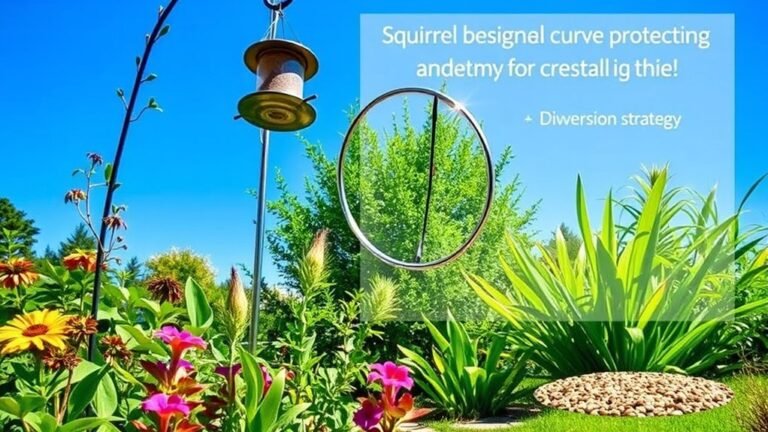

Effective Strategies to Keep Squirrels Off Your Bird Feeders
If you are frustrated with squirrels stealing from your bird feeders, you are not alone. These clever animals can be persistent and crafty. Luckily, there are effective ways to keep them away while still welcoming birds to your yard. By using a mix of strategies, you can create an environment that discourages squirrels without harming them. Here are some practical steps to keep your feeders squirrel-free:
- Choose Squirrel-Proof Feeders: Invest in feeders designed to keep squirrels out. Look for features like weight-activated perches or cages that allow only birds to access the food.
- Position Your Feeders Wisely: Place feeders at least 10 feet away from trees, fences, or buildings to make it harder for squirrels to jump onto them.
- Use Baffles: Install baffles on poles to block squirrels from climbing up. These can be placed above or below your feeders.
- Limit Access to Food: Use birdseed that is less attractive to squirrels, like safflower seeds. You can also consider offering food that requires more effort to access, which will deter squirrels.
- Create a Squirrel-Proof Area: Surround your feeders with obstacles, such as slippery surfaces or low fences, to make it harder for squirrels to reach the food.
- Provide Squirrel Alternatives: If you want to keep squirrels satisfied, offer them their food in a designated area away from your bird feeders. This might reduce their urge to raid your feeders.
By following these strategies, you can enjoy watching birds without constant interruptions caused by squirrels.
Key Takeaways
- Use squirrel-proof feeders made from metal or heavy-duty plastic designed to deter squirrels while attracting birds.
- Install baffles above and below feeders to obstruct squirrels' climbing and jumping access.
- Choose seed mixes with squirrel-repelling ingredients like safflower seeds and capsicum to attract only birds.
- Position feeders at least 10 feet away from trees and hang them 5 to 6 feet high to limit squirrel access.
- Offer separate squirrel-friendly snacks to divert their attention away from bird feeders.
Choose Squirrel-Proof Feeders

If squirrels keep raiding your bird feeders, consider using squirrel-proof feeders.
These feeders have features to keep squirrels away while still attracting birds. Choose feeders made from strong materials like metal or heavy-duty plastic, as they can resist squirrel attempts to break in.
Think about the types of seeds your birds like; some feeders work better with specific seeds, which may not attract squirrels. For example, sunflower seeds are popular with birds but often draw squirrels too.
Install Baffles
To keep squirrels away from your bird feeders, install baffles. Baffles act as barriers that make it difficult for squirrels to access your feeders.
Here are some straightforward steps for installation:
- Choose materials: Use strong materials like metal or heavy plastic. They can withstand damage and weather.
- Select size: Make sure the baffle is big enough to stop squirrels from climbing over.
- Position them properly: Install baffles both above and below your feeder for better protection.
- Use pole-mounted baffles: These are very effective because squirrels can't jump from nearby structures.
With these simple installation tips, you can feed your birds without worrying about squirrels!
Use Squirrel-Repelling Seed Mixes

After you install baffles, use squirrel-repelling seed mixes to keep squirrels away.
Many bird lovers deal with squirrels stealing from feeders, and the right seed mix can help. Look for mixes with ingredients like safflower seeds. Squirrels dislike these, but many songbirds enjoy them.
You can also add capsicum (hot pepper). Birds can handle the spice, but squirrels cannot!
It's also important to know what local birds prefer since some have specific tastes.
By choosing your seed mix carefully, you can create a great feeding space for your birds while keeping the squirrels out.
You aren't alone in this struggle!
Position Feeders Strategically
To keep squirrels away from your bird feeders, you can position them wisely. Here are some clear and simple tips:
- Place feeders at least 10 feet away from trees. This distance helps to reduce squirrel access.
- Hang feeders at a height of 5 to 6 feet. This height makes it harder for squirrels to jump up.
- Use poles that have baffles. These devices add extra protection against squirrels.
- Position feeders in open spaces. This setting prevents squirrels from jumping over.
Add Scents to Deter Squirrels
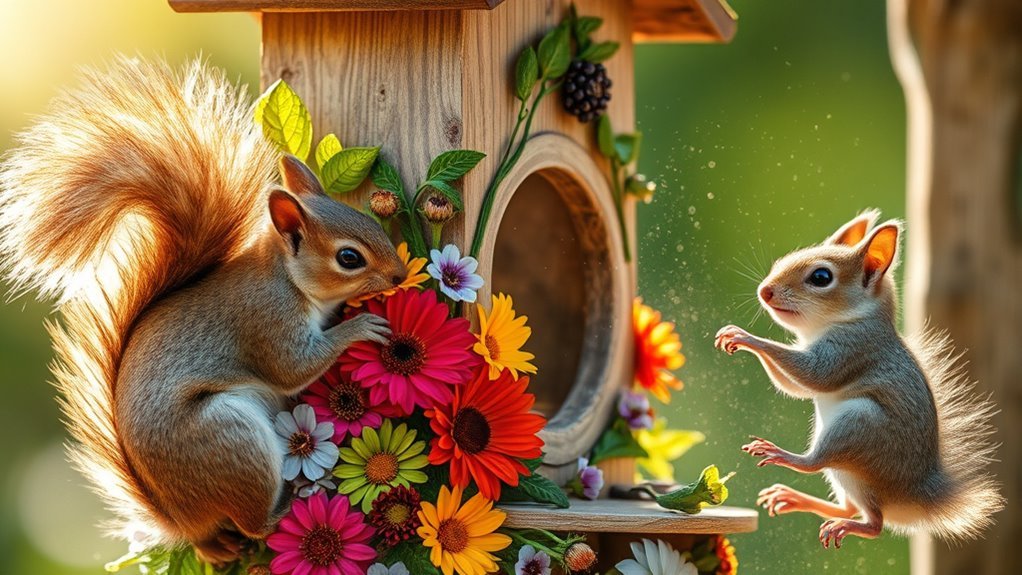
Positioning your feeders wisely helps keep squirrels away. Adding strong scents can enhance your efforts. Use scents like cinnamon, peppermint, or vinegar as natural repellents.
Squirrels tend to avoid these smells, making it harder for them to visit your bird feeders. To use scents, soak cotton balls in cinnamon, peppermint, or vinegar and place them near your feeders.
Alternatively, mix essential oils with water and spray the area. Refresh these scents every few days to keep them effective. This method not only deters squirrels but also creates a pleasant aroma in your garden.
Create a Distracting Feeding Area
Creating a distracting feeding area can help keep squirrels away from your bird feeders.
Here are four straightforward strategies:
- Plant distracting plants: Grow tall wildflowers or sunflowers nearby to attract squirrels with another food source.
- Use feeding bowls: Place feeding bowls filled with squirrel-friendly snacks like peanuts, corn, or sunflower seeds.
- Install berry bushes: Plant berry bushes to offer squirrels a tasty alternative.
- Create a separate foraging area: Scatter seeds or nuts in a designated corner of your yard to invite squirrels away from bird feeders.
Regularly Clean Your Feeders
Attracting birds to your feeders is a joyful activity. To ensure both the health of the birds and the success of your feeding efforts, it's crucial to keep the feeders clean. Regular cleaning prevents mold and bacteria from growing. It also helps keep squirrels away.
Clean your feeders at least once a month, and more often during wet seasons.
To clean your feeders, rinse them with water and mild soap. This simple maintenance creates a safe eating space for the birds. A clean feeder makes a welcoming environment for your feathered friends.
Provide Alternative Food Sources
To keep squirrels from taking over your bird feeders, offer them alternative food sources. This helps both birds and squirrels thrive in your garden.
Here are some plants to add:
- Sunflowers
- Corn
- Hazelnuts
- Acorns
These plants will help draw squirrels away from your feeders. They also make your yard more attractive to wildlife.
Squirrels love these snacks, which allows your backyard birds to feed with less competition. By providing for all creatures, you create a friendly and diverse environment in your garden.
Enjoy watching the variety of wildlife that visits!
Implement Motion-Activated Devices
To keep squirrels away from your bird feeders, you can use motion-activated devices. These devices detect the movement of squirrels and activate sound, light, or sprays to deter them.
When you install these devices in your yard, you help create a better environment for birds while protecting your feeders.
Look for devices that focus on pest control. They often have features that deter squirrels without harming them.
Using these tools can make your bird-watching experience more enjoyable. Many bird lovers choose motion-activated devices to keep their feeders safe and attract more birds.
Monitor and Adjust Your Strategies
As you work to keep squirrels away from your bird feeders, monitor how well your strategies are working.
Routine checks can help you improve your methods. Here are some simple tips to consider:
- Observe feeding times: Watch when squirrels visit your feeders to learn their habits.
- Change feeder spots: Relocate your feeders if squirrels keep coming back.
- Recognize seasonal shifts: Be aware that feeding patterns may change with the seasons.
- Connect with others: Talk to other bird lovers for new ideas.
Frequently Asked Questions
Are Squirrels Harmful to Birds Visiting Feeders?
Squirrels can interfere with bird feeders by taking food and scaring birds away. To help birds feel safe and welcome, learn about squirrel behavior. This knowledge allows you to create an environment where birds can enjoy feeding without interruption. By setting up your feeders in a way that reduces squirrel access, you can keep food available for the birds and encourage their visits.
What Time of Year Are Squirrels Most Active?
Squirrels are most active in spring and fall. They are especially busy during their breeding season. During these times, you can watch them foraging for food. Knowing their activity patterns can help you manage their presence effectively.
Can Birds Eat Squirrel-Repelling Seeds Safely?
Yes, birds can eat squirrel-repelling seeds safely. These seeds are safe for birds, allowing them to enjoy their meals without worry. Adding bird-safe seeds and plants that repel squirrels to your garden can help attract birds. This way, you create a friendly environment that makes feeding them enjoyable.
How Often Should I Clean My Bird Feeders?
You should clean your bird feeders every two weeks. This practice keeps the feeders hygienic and safe for birds. Regular cleaning prevents mold and bacteria from building up. A clean feeder attracts birds and supports a lively atmosphere in your backyard.
Do Squirrels Return to Areas Where They've Previously Fed?
Yes, squirrels return to places where they have previously fed. They remember these locations well. This behavior is key to their feeding habits. Knowing this can help you prepare for their visits. By doing so, you can better protect your bird feeders, ensuring that birds can access their food without interference.

Hello, I’m Amelia White, the founder of birdsfanatic.com. As a lifelong bird enthusiast and spiritual seeker, I’ve always been fascinated by the mystical connections between birds and the human experience. On this site, I share my knowledge and insights into the symbolic meanings and spiritual significance of various bird species, exploring their roles in mythology, folklore, and cultural traditions. Join me on this journey into the world of birds, where we’ll discover the hidden wisdom and guidance that these magnificent creatures have to offer.