Nature’s Way Ant Moat Review: Does It Really Keep Ants Out?
Ants love sugar water. Your hummingbird feeder gives them the perfect target. Once ants reach the nectar, trouble starts. They clog the drinking ports and scare hummingbirds away. Nobody wants that.
The Nature’s Way Ant Moat offers a simple fix. It hangs above your feeder and creates a water barrier. Ants cannot cross it, and no poison is involved.
This review covers the key features, the pros, and the cons. It also compares the moat with rivals like Trianu, SVEDVK, and TERULF. You will learn why keeping the moat full matters so much. Let’s see if this clear little cup deserves a spot above your feeder.
In a Nutshell
- Poison free protection: The Nature’s Way Ant Moat stops ants with plain water. Ants cannot cross the moat, so your nectar stays clean and safe for hummingbirds.
- Simple setup: You hang the cup above your feeder with the included hook. Most people finish the job in just a few minutes.
- Easy to monitor: The clear plastic shows the water level at a glance. You can spot a low moat before ants find a way across.
- Fewer refills: Larger cups hold more water. That means less frequent topping up on busy days.
- Main drawback: The moat must stay full at all times. A dry moat gives ants a free path. Ants that reach the feeder can clog the drinking ports and scare hummingbirds away.
- Our take: This is a smart pick for backyard bird lovers who want a chemical free fix. Check the water daily in hot weather, since it evaporates fast.
Design and Hanging Setup

- EFFECTIVE HUMMINGBIRD FEEDER ANT GUARD: Protect your feeders with our durable ant moat, designed to keep ants out and maintain a clean feeding environment.
- VERSATILE HUMMINGBIRD ANT GUARDS FOR FEEDERS: Ideal for various feeder types including hummingbird and oriole feeders, ensuring comprehensive protection.
Last update on 2026-11-13 / Affiliate links / Images from Amazon Product Advertising API Some of the links on this website are affiliate links, which means that at no additional cost to you, I earn a commission if you click through and make a purchase. I only recommend products and services that I believe will add value to my readers. Thank you for your support!
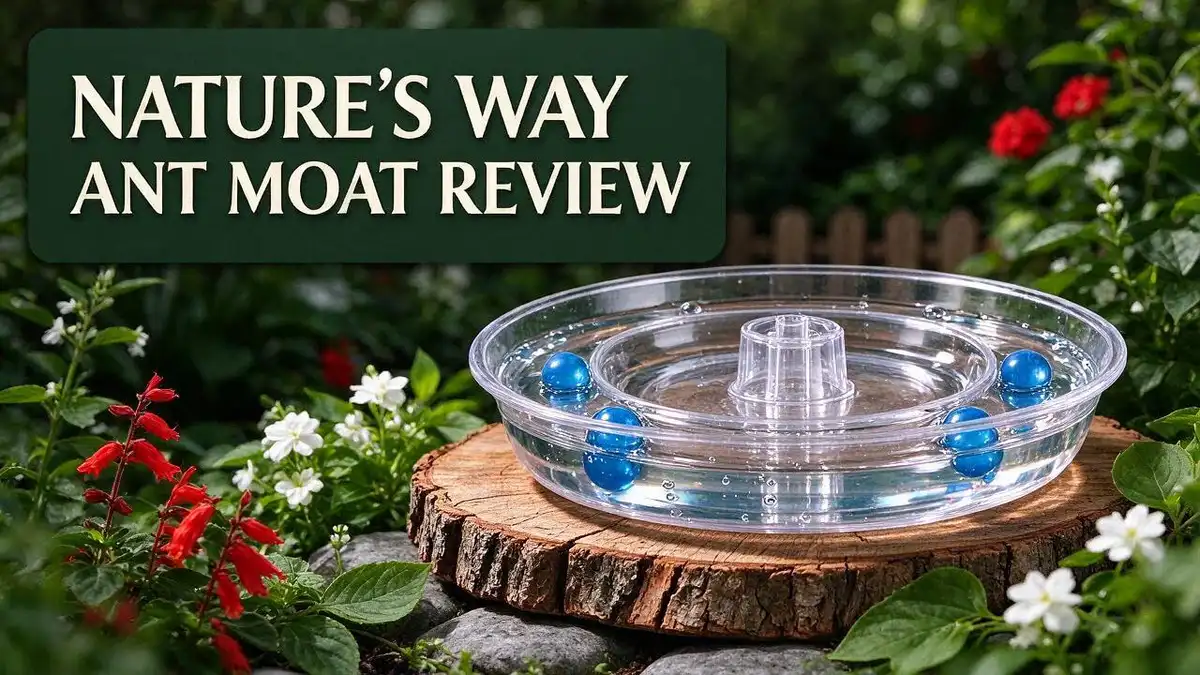
The design of this moat is simple and practical. A small cup holds water around the hanging point. Ants must cross that water to reach the nectar, and most of them give up.
Think of each cup as a barrier, not a trap. Ants cannot climb past the water line, so they never reach the feeder ports. Birds can still reach the feeder from above.
Mounting works well for most backyard setups. Hang the moat from a strong branch, a pole, or a sturdy porch hook. Make sure the spot can hold the full weight of the water and the feeder.
Multipacks suit larger yards. The two packs and four packs let you protect several feeders at once. A four pack can cover up to four feeders, which helps when you hang feeders in different spots.
Sizes and styles also vary between brands. The SVEDVK version has a vintage look, while the TERULF version works with both hummingbird and oriole feeders. Pick the design that fits your garden and your birds.
Choose the hanging spot with care. Branches, fences, and eaves can act as bridges for ants. Keep the feeder away from overhanging objects so ants have no easy route.
Rinse the cup each time you refill it. This removes dirt, dust, and algae that build up over time. Clean water keeps the barrier working well.
Watch the moat during hot weather. Water evaporates faster on sunny days, so the cup may need extra water. Check it each morning and top it off before the birds arrive.
Moat Capacity and Refill Frequency
Capacity matters more than most buyers expect. The moat must hold enough water to last between checks. Think about how often you already refill your nectar, because the moat should follow the same schedule.
Many people refill the moat on the same day as the feeder. This simple habit means you never forget the cup. A short routine keeps ants out all season long.
A 3 oz (90 ml) cup works well for one small feeder. Larger yards with several feeders need more water per cup. The Trianu 2 pack offers 6 oz, which gives you a bigger reserve for busy days.
Seasons change the routine. Spring and early summer bring the most hummingbird visits, so feeders empty fast. Plan extra checks during those busy weeks so the cup never runs dry.
Try a simple marking method. Write the fill date on a sticky note and place it near the feeder. This tells you when the next refill is due at a glance.
Feeder size also plays a role. Large feeders hold more nectar and draw more visitors. A bigger moat gives extra margin when traffic peaks in late spring.
Check the hook and cup seat before each refill. A loose fit lets water spill and drops the level faster. Tight placement keeps the water where it belongs.
Track your refills for one month. Note how many days pass before the cup runs low. This record helps you plan future refills with confidence.
In short, pick a capacity that matches your routine. A larger cup means fewer trips, while a smaller cup suits light use. Either way, your ants stay blocked.
Ant-Blocking Effectiveness
Ant blocking is the main job of this moat. Sugar ants can find nectar fast. Their small size lets them test every route to your feeder.
Most failures happen because of small debris. Dead bugs, leaves, and pollen can float on the surface. Ants use these floating bits as tiny bridges across the water.
Skim the surface often. A quick sweep with a spoon or your finger removes the trash. This simple habit keeps the barrier working all season.
Rain also changes the picture. Heavy storms can dilute the water or overflow the cup. Ants may then slip over the rim when the level drops too low.
Wind adds another challenge. A swinging feeder can splash water out of the moat. Once the moat runs dry on one side, ants can reach the feeder with ease.
Not every insect is stopped. Ants are the main target, but other pests may still reach the feeder. Wasps and some flying bugs ignore the moat entirely.
Ants that already sit on the feeder pose another problem. They can crawl into the ports before the moat gets set up. Clean the feeder first, then hang the moat.
Check the results after a few days. If no ants appear, the setup works. If they keep returning, look for new bridges or a low water level.
Sugar ants vary by region. Some colonies are small and quick. Others build large nests near patios and fences, which means more pressure on the moat.
Watch for clear signs. Ants trailing up a pole or wall suggest a hidden route. Fix that path first, and the moat will do its job.
Top 3 Alternatives
Terro Liquid Ant Baits

- ATTRACTS & KILLS: Liquid ant bait stations provide comprehensive ant control, targeting common household ants including acrobat, crazy, ghost, little black, odorous house, and pavement ants throughout your home with effective ant traps indoor
- KILLS THE QUEEN & THE ENTIRE COLONY: TERRO liquid ant bait contains borax-based formula that attracts worker ants to consume and carry back to the colony, effectively eliminating both visible ants and hidden nest populations for complete indoor ant killer control

Last update on 2026-11-13 / Affiliate links / Images from Amazon Product Advertising API Some of the links on this website are affiliate links, which means that at no additional cost to you, I earn a commission if you click through and make a purchase. I only recommend products and services that I believe will add value to my readers. Thank you for your support!
Terro Liquid Ant Baits work well for indoor ant problems. The sweet liquid draws worker ants in from far away. They carry it back to the nest and share it with the colony. This slow spread helps reach the queen too. Place the bait traps near ant trails along kitchen counters, floors, and window sills. Refill them when the liquid runs low. Keep them away from pets and children for safety.
Advion Ant Gel

- ANT CONTROL: Advion Ant gel bait from Syngenta is a high-performing bait product targeting all major ant species. It’s formulated with 0.05% indoxacarb, which is a potent, non-repellent active ingredient used for trusted pest control. Thanks to its targeted MetaActive effect that differentiates between target insects and non-target organisms, it’s highly unlikely to negatively affect people or pets.
- EFFORTLESS APPLICATION: This odorless ant bait can easily be applied to any surface, providing powerful ant control to help ensure a secure, peaceful home environment. Begin by inspecting and identifying ant infestations, whether they are indoors or outdoors. Apply the bait gel strategically in specific areas where ants are visibly trailing, including cracks, crevices, beneath appliances and in concealed spaces like attics and crawl spaces, to achieve comprehensive control.
Last update on 2026-11-13 / Affiliate links / Images from Amazon Product Advertising API Some of the links on this website are affiliate links, which means that at no additional cost to you, I earn a commission if you click through and make a purchase. I only recommend products and services that I believe will add value to my readers. Thank you for your support!
Advion Ant Gel comes as a small gel that ants love. You apply tiny dots along cracks, edges, and entry points. Worker ants pick up the gel and bring it back to the nest. Many homeowners like how little mess it makes. Check the dots every few days. Add more when they dry out or when ants eat them up. Store the tube in a cool, dry spot.
Raid Ant Baits

- Kills ants where they hide for up to 3 months
- After ants feed on the bait, they return to the colony and transfer the bait to the queen and the others, thereby killing the entire colony
Last update on 2026-11-13 / Affiliate links / Images from Amazon Product Advertising API Some of the links on this website are affiliate links, which means that at no additional cost to you, I earn a commission if you click through and make a purchase. I only recommend products and services that I believe will add value to my readers. Thank you for your support!
Raid Ant Baits offer an easy option for busy homes. The bait stations sit on the floor or along baseboards. Ants walk in, eat the bait, and take it back to their colony. You do not need to handle any chemicals. Set out several stations near the problem area for better coverage. Replace them when the bait runs low. Keep the stations out of reach of kids and pets.
Materials and Water-Level Visibility
The moat is made from transparent plastic. This clear material lets you see the water level from a distance. You never need to climb a ladder or touch the cup to check it.
Visibility saves time on busy days. A quick look from the kitchen window shows whether the moat still holds water. Seeing a low level early helps you act before ants find a path.
Clear plastic also lets sunlight reach the water. Light can encourage algae to grow inside the cup. Placing the moat in partial shade or choosing a light colored cover can slow this growth.
Light weight keeps the setup steady. Plastic adds very little weight to the hook. Branches bend less, and the moat sits level above the feeder. A level cup keeps the water even on all sides.
The clear body also makes problems easy to spot. You can see cracks, cloudy spots, or a loose hook at a glance. Catching damage early keeps the moat working well through the season.
Visibility also helps you compare moats. If you own more than one, you can check each cup side by side. You can tell which one holds more water and which one empties faster. This makes it easier to pick the right size for each feeder.
Many visitors ask how to know the moat is working. The clear body gives a simple answer. Full water and no ants mean the setup is doing its job.
Protecting Your Feeder and Hummingbirds
Ants can do more harm than most people think. They crawl into the nectar and crowd the feeding ports. Hummingbirds often leave when they find ants nearby.
A clogged port can also block the birds. Tiny ants may sit inside the openings and stop the flow. Hummingbirds then waste energy on a feeder that gives less nectar.
This moat protects the whole feeding spot. It keeps crawling pests away from the nectar source. The birds can feed in peace without a crowd of ants.
Clean nectar matters for bird health too. Old nectar can grow mold or ferment in warm weather. Ants often find that sugary mess first.
Think of the moat as a gate guard. It stops the pests at the door. Only the birds get through the front.
Good habits add extra protection. Wash the feeder with hot water and mild soap regularly. Rinse it well so no soap remains.
Keep the area around the feeder clear. Trim branches that touch the hook. Leaves act as bridges for ants and other insects.
Hummingbirds need calm spots to feed. Busy feeders with pests can make them wary. A steady, clean setup helps them return day after day.
Fresh nectar keeps the birds coming back. Make a new batch every few days in warm weather. Old nectar loses its appeal quickly. A little care goes a long way.
Watch how the birds react to the feeder. Quick visits and fewer birds may signal a problem. Act fast when you notice these changes.
Maintenance and Upkeep Tips
Keeping the moat in good shape takes only a few minutes each week. Start with a simple routine that fits your schedule.
Refill the cup with fresh water every few days. Water can turn cloudy or green in warm weather. Dirty water can breed mosquito larvae, so change it often.
Clean the moat once a month with warm water and mild dish soap. Scrub the inside gently with a soft brush. Rinse it well so no soap stays behind.
Never use bleach or harsh chemicals. These products can leave a smell that birds may avoid. A plain rinse works well for most cleaning jobs.
Check the hook and the mount each time you clean. Look for cracks or loose parts. Replace a damaged hook before it snaps under the weight of a full moat.
Press the lid or cap firmly after every refill. A loose seal lets ants slip in through the gap. Make sure the cup sits level on the hook.
Wash the feeder while the moat is off the hook. Old nectar can sour fast in summer heat. Scrub the feeding ports with a bottle brush to clear residue.
Fill the moat slowly to avoid spills. Pour water until it reaches the top line, then stop. Store the moat indoors during winter if you take the feeder down. Empty it, dry it fully, and keep it in a cool spot. Moisture left inside can grow mold.
Keep a simple log of your cleaning dates. Write the date on a sticky note or calendar. Regular notes make it easy to spot patterns and remember when to act.
Pros and Cons
Pros
- Blocks ants without using poison.
- Hangs from a simple hook above the feeder.
- Larger capacity means fewer refills each week.
- Multipacks cover several feeders at once.
Cons
- The moat needs a steady water supply to work.
- Capacity changes between listings, so check the size first.
- Wind or rain can splash water out of the cup.
Who Should Buy It
This moat suits bird lovers who hang one or two feeders. Anyone who watches hummingbirds from a kitchen window will likely enjoy it. The simple setup fits busy people who want quick results.
Pet owners often feel more relaxed with this setup. Curious dogs and cats can sniff around the yard while the feeder stays guarded. The moat sits above the feeder, so pets rarely reach it.
New feeder owners often feel unsure at first. This moat gives them one clear job each week. Kids can help fill the cup and learn how the water barrier works.
Gardeners in warm regions should consider it first. Ants grow more active during hot months and after summer rains. A moat gives steady defense when the feeder sits in a sunny spot.
Shoppers with several feeders may want a bigger set. The four pack option covers more spots at once. Those with a vintage taste might prefer the SVEDVK style. People who also feed orioles could look at the TERULF model, which works with both feeder types.
Some people may need a different approach. A feeder on a pole far from trees rarely attracts many ants. Travelers who cannot check the water each day might find a moat hard to maintain. For them, a different style of guard could work better.
In short, this moat fits people who want a practical guard for nectar feeders. Check your feeder count, your pet habits, and your daily schedule first. Readers who match these traits will likely be happy with the result.
Final Verdict
Nature’s Way Ant Moat earns a solid recommendation from me. It does one job, and it does that job well.
The ant moat keeps your feeder clean, calm, and safe for the birds. That result matters more than any extra feature.
What stands out most
The poison free approach gives me peace of mind. Hummingbirds sip from the feeder, so I want nothing harmful near it.
The clear cup also helps. You can spot a low water level at a glance and fix it fast.
Where it falls short
The moat asks for steady attention. If you forget it, ants will find a way across.
This is a small habit, not a big burden. Still, it is the one thing you must accept before you buy.
How it compares with other options
Several rivals offer larger cups or bigger sets. The SVEDVK, TERULF, and Trianu moats all appeal to buyers who want more volume or extra pieces.
Nature’s Way keeps things simple. That simplicity makes it a strong first choice for most backyards.
My final call
I recommend it if you want a safe, easy, and proven way to protect your nectar. It works best for people who enjoy a quick weekly check.
I would look elsewhere only if you hate any routine upkeep. In that case, a different feeder style may suit you better.
For everyone else, this ant moat delivers. It protects the birds, the nectar, and your time with the feeder. Hang it up, keep it full, and enjoy the hummingbirds.
Frequently Asked Questions
How can I tell the moat is working?
Check the water level each morning. A full moat with no ants crossing the edge shows the setup is doing its job. If you spot ants in the cup, add water right away.
What if ants still reach the nectar?
Inspect the feeder ports first. Ants can clog them and push hummingbirds away. Clean the ports with warm water and fill the feeder with fresh nectar.
Do nearby branches cause problems?
They can. A branch or leaf touching the feeder gives ants a bridge over the moat. Trim any growth that touches the feeder so the moat stays effective.
Will this moat fit oriole feeders?
The research does not confirm oriole fit for this listing. Some rival listings, such as the TERULF moat, mention oriole feeders. Check your feeder size and style before you choose a model.
Which option holds the most nectar?
The SVEDVK moat offers 7 oz in its four pack. That beats the 3 oz single listing here. Pick the larger set if you want more nectar on hand.

Hello, I’m Amelia White, the founder of birdsfanatic.com. As a lifelong bird enthusiast and spiritual seeker, I’ve always been fascinated by the mystical connections between birds and the human experience. On this site, I share my knowledge and insights into the symbolic meanings and spiritual significance of various bird species, exploring their roles in mythology, folklore, and cultural traditions. Join me on this journey into the world of birds, where we’ll discover the hidden wisdom and guidance that these magnificent creatures have to offer.