Woodlink Wren House Review 2026: In-Depth Breakdown
Wrens bring song and charm to any backyard. Want to invite them home? A wren house could be the perfect start.
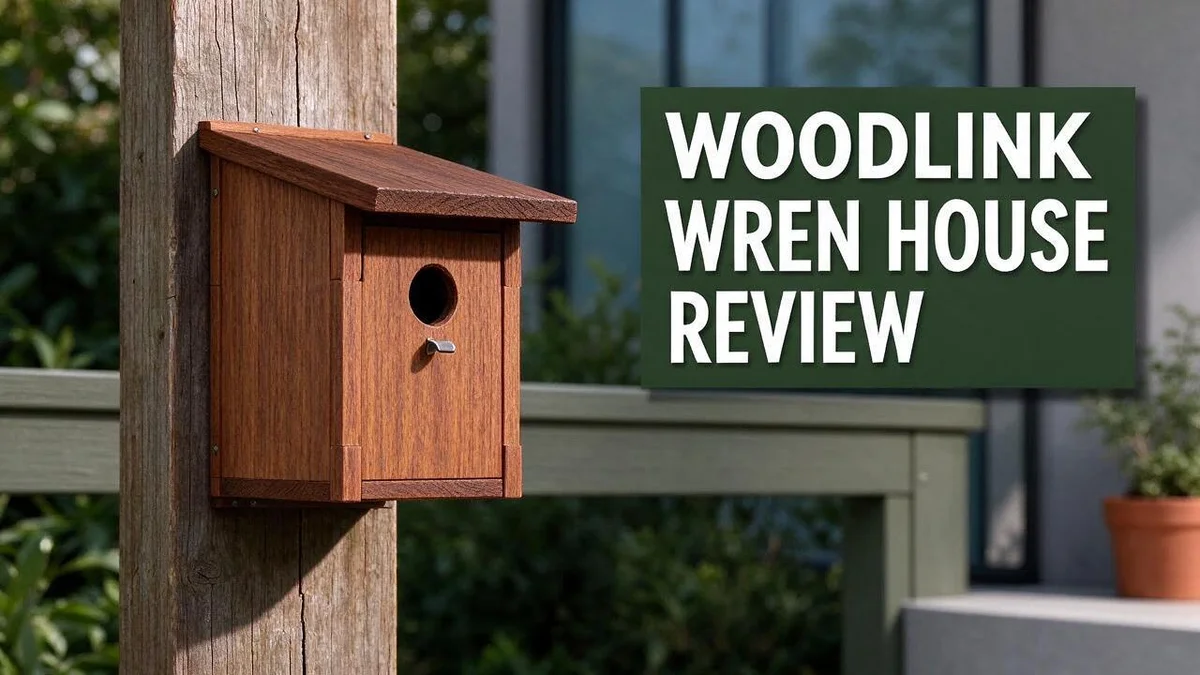
The Woodlink Wren House is built for wrens or chickadees. Its entry hole and interior cavity are sized just right for these small birds. Birds feel safe inside.
Many owners love the easy opening side panel. You can clean it or peek inside without hassle. The design also has no front perch, which helps keep sparrows away.
Reviewers praise the sturdy build and countersunk screws. Some also note the Cedar Traditional model feels more like pine than cedar. Is it right for your yard? Let’s find out.
In a Nutshell
-
No front perch keeps sparrows away. Sparrows often crowd smaller birds at feeding spots, so this design gives wrens more privacy. Your wrens can settle in and raise their young with less stress.
-
Material is a key concern. Reviewers say the Cedar Traditional model feels more like pine than cedar. Since the listing says cedar and metal, read the product details carefully before you buy.
-
Durability may be limited. One reviewer doubts the house will survive even one season outdoors. Plan to check the roof, seams, and mounting hardware each spring. A quick inspection can extend its life.
-
Cleaning takes a little extra work. One owner has to unscrew a section to clear out old nesting material. Plan a cleaning session after nesting season ends.
-
A DIY kit is available. The Woodlink Wren House Kit lets you assemble the house yourself. Building it can be a fun weekend project for the whole family.
-
A similar design offers more choice. The Woodlink Garden Wren/Chickadee House suits gardeners who want a close alternative. It works for both wrens and chickadees in the same yard.
Build Quality and Materials

- Made of natural cedar.
- It is built as per birding specifications.
Last update on 2026-10-31 / Affiliate links / Images from Amazon Product Advertising API Some of the links on this website are affiliate links, which means that at no additional cost to you, I earn a commission if you click through and make a purchase. I only recommend products and services that I believe will add value to my readers. Thank you for your support!
Build quality matters more than many people expect. A birdhouse stays outside in rain, sun, and snow all year. The wood and fittings decide how well it holds up.
Wood thickness plays a big role in long term use. Thin panels warp and split after repeated soaking. Thicker walls also hold warmth better during chilly spring nights.
Finish is just as important as the wood itself. Raw wood soaks up moisture and invites rot. A light exterior sealant or stain made for birds can slow this damage.
Inside surfaces matter too. Rough walls help wrens grip while they climb. Splinters, however, can injure tiny birds, so run your fingers along the cavity before hanging the house.
Drainage and airflow keep the nest dry. Small holes in the floor let water escape. Gaps near the roof let hot air leave on sunny days.
A wide roof overhang shields the entrance from driving rain. Water that pours straight through the hole can soak the nest and chill the eggs. A deeper roof offers real protection during spring storms.
Look closely at the seams and joints. Tight joints keep rain out and block drafts. Gaps wider than a fingertip let in water and can invite insects or rival birds.
Hardware resists rust over time. Stainless steel or galvanized screws hold up better than plain steel. Rust stains the wood and can loosen joints across seasons.
Mounting also affects lifespan. A sturdy post keeps the box steady in strong wind. Loose mounts can shake the house apart and expose the nest to predators.
Weathering changes the look over time. Gray patches often appear as the wood ages. This change is normal, but it signals that the surface needs fresh protection.
Simple care stretches the life of any wren house. Clear out old nesting material every autumn. Recoat the exterior every few years. Tighten any loose screws once each season.
In short, this wren house can serve well for years. Owners who check the wood, finish, and fittings give it the best chance. Regular upkeep turns a basic box into a dependable home for wrens.
Entry Hole and Cavity Sizing
The entry hole decides which birds can move in. A small, precise opening lets wrens slip inside with ease. Larger birds stay out, which gives wrens a better chance to settle. This one feature shapes the whole nesting season.
Wrens are tiny, but they still need a snug fit. The hole must match their body size so they feel safe entering. Chickadees use a similar opening, so the size works for both birds.
Measure the hole before you hang the house. A wooden dowel or a small drill bit makes a quick check. If the opening looks wider than about one and a quarter inches, starlings and house sparrows may take over. Measuring first saves a lot of frustration later.
Watch the entry for signs of wear. Woodpeckers and squirrels can chew a small hole wider over time. Look for fresh chew marks or rough edges each season. A hole that grows even a little can change which birds use the house.
The inside space matters just as much as the entry. Wrens fill their cavity with sticks, grass, and feathers. A cavity that is too small leaves no room for a full nest. A cavity that is too large may not feel secure to a wren.
Depth plays a role too. A deeper chamber keeps the nest set back from the opening. This placement helps block wind and gives young birds more cover. A shallow box can leave nestlings more exposed to the weather.
Floor space needs attention too. A roomy floor allows a wren to build a proper nest without crowding. Full dimensions for this model were not confirmed in the research, so check the listing or measure the box yourself. Knowing the real size helps you judge whether it suits your local wrens.
Think about the nest before the bird. A well sized cavity invites wrens to return year after year. Good sizing turns a simple wooden box into a true home. Take a few minutes to check the entry and interior, and your backyard visitors will likely thank you with song.
Mounting and Sparrow Deterrence
Mounting this wren house the right way helps birds feel safe. A good spot makes a big difference for nesting success.
Most wrens like a house mounted five to ten feet off the ground. Place it on a sturdy post or along a fence line. Keep the entrance facing away from strong winds and harsh afternoon sun.
Think about the surroundings too. Wrens like a little cover nearby, such as shrubs or a climbing vine. Avoid placing the house right beside a busy feeder, because that draws in crowds of noisy birds.
The lack of a front perch helps keep sparrows away. Sparrows like to land before they enter. Without a perch, they struggle to grip the hole and often move on.
Still, sparrows can be stubborn. Some will try to claim a house if they find one open nearby. Watch the nest site closely during spring, especially early in the season.
Hang the house on a pole with a metal baffle. The baffle blocks climbing predators like raccoons and cats. It also makes the pole harder for squirrels to climb.
Keep the house away from doors and windows. Wrens often sing loudly from nearby perches. A quiet corner lets them settle in without stress.
Check the mounting every spring before nesting season starts. Tighten any loose wires or brackets. Make sure the house stays level so eggs and nesting material stay in place.
Some gardeners place two houses at different spots. This gives wrens a choice. It also gives sparrows fewer chances to take over the entire yard.
Timing matters as well. Hang the house by early spring so wrens can inspect it before they start building. Wrens often check several spots before they pick one. A ready house gives them a head start on a successful season.
Keep a small notebook nearby. Record the dates when birds first visit. This helps you spot patterns over several years.
Top 3 Alternatives
Perky-Pet Wren House

- 8 LB SEED CAPACITY: This large bird feeder holds up to 8 lbs of sunflower seeds, mixed seed, or safflower seed to keep your backyard birds well-fed and happy while you continue bird watching from afar
- LOCKING LID: Designed with a removable roof and locking lid, this durable bird feeder makes filling and cleaning simple and convenient. This lid helps reduce spillage, save bird seed, and minimize refills

Last update on 2026-08-27 / Affiliate links / Images from Amazon Product Advertising API Some of the links on this website are affiliate links, which means that at no additional cost to you, I earn a commission if you click through and make a purchase. I only recommend products and services that I believe will add value to my readers. Thank you for your support!
Looking for a classic option? The Perky-Pet Wren House suits small garden birds well. Its small entry hole helps keep out larger birds and common predators. Many people like its simple design and easy hanging setup. You can mount it on a fence, a tree, or a sturdy wall. Choose a spot that gets morning sun and some afternoon shade.
Stokes Select Wren House

- Made with nuisance and rot-resistant premium cedar and rust-free stainless-steel hardware
- Air vents allow for maximum air ventilation through wall and floor openings for bird health
Last update on 2026-06-09 / Affiliate links / Images from Amazon Product Advertising API Some of the links on this website are affiliate links, which means that at no additional cost to you, I earn a commission if you click through and make a purchase. I only recommend products and services that I believe will add value to my readers. Thank you for your support!
The Stokes Select Wren House works well for gardeners who want a sturdy build. Wrens prefer nesting spots that stay dry and sheltered. This model offers good protection from rain and wind. Its interior stays quiet and cozy for nesting pairs. Cleaning is simple, so you can refresh the box each autumn. Place it in a quiet, shady corner for the best results.
Heath Wren House
- Made with nuisance and rot-resistant premium cedar and rust-free stainless-steel hardware
- Air vents allow for maximum air ventilation through wall and floor openings for bird health
Last update on 2026-06-09 / Affiliate links / Images from Amazon Product Advertising API Some of the links on this website are affiliate links, which means that at no additional cost to you, I earn a commission if you click through and make a purchase. I only recommend products and services that I believe will add value to my readers. Thank you for your support!
The Heath Wren House gives your garden a natural look. Its wooden walls help the inside stay cool during hot summer days. Wrens often choose boxes that blend with their surroundings. You can mount it at eye level or a little higher. Check the box every year and remove old nesting material. This simple habit keeps the home fresh for the next season.
Cleaning and Maintenance Access
Cleaning this wren house is simple once you know the right time. Wait until the young birds have fledged. Late summer or early fall works well for most gardeners.
The side panel makes the job quick. Open it, lift out old nesting material, and brush the floor clean. Wrens often pack twigs into every corner, so check the sides too.
Avoid harsh chemicals when you clean. Strong cleaners can leave odors that birds may avoid. Instead, rinse the box with hot water or a mild vinegar solution. Let it dry before closing.
Wear gloves and a dust mask while you work. Old nests can hold mites, fleas, and droppings. Keep your hands away from your face until you wash up.
Never clean the house during nesting season. Opening it while a pair raises young can cause them to leave. Check the box from a distance first.
Some owners report that the panel does not reach every corner. If you must unscrew a section, keep all screws in a small cup. Tighten them firmly when you finish so no gaps form.
Use a small brush or an old toothbrush for tight corners. A long brush helps when the house sits high on a pole.
Look for wasp nests, ant trails, or mold during each visit. Remove any pests before the next season starts. Early action keeps the nest space clean and safe.
Store your cleaning kit in a dry shed or garage. Keep gloves, a brush, a screwdriver, and a bucket together in one bin. Clean the house on a dry, mild day for best results.
Ask neighbors or local bird clubs for tips if the house sits in a hard to reach spot. Small habits keep this house ready for the next season. Clean it each year, and wrens may return again and again.
Pros and Cons
Pros
– Reviewers say the construction feels sturdy with countersunk screws.
– The entry hole and interior suit wrens and chickadees.
– The simple design works well for beginner bird watchers.
– The Woodlink name offers a familiar line of bird houses.
Cons
– Reviewers say the Cedar Traditional model feels like pine, not cedar.
– Some owners doubt it will last more than one season outdoors.
– The product listing says cedar and metal, which may confuse buyers.
– Full dimensions are hard to find before you order.
Who Should Buy It
This wren house fits a few types of bird lovers best. Families with curious kids often enjoy it most. Children can peek inside with an adult nearby, which builds interest in nature. Adults can share the fun by reading about wrens together.
Gardeners with small yards also gain from this design. A single house can attract a pair of wrens in a tight space. It takes little room and blends neatly into shrubs or a quiet fence corner. Renters with a patio can hang it on a sturdy wall bracket if the landlord agrees.
Patient watchers who love close views will enjoy the routine. Wrens are busy builders, and they return to the same spot often. A watcher can spot nest building, feeding trips, and singing from a nearby window.
Handy shoppers might prefer the DIY kit instead. Building it from scratch lets you choose the finish and fit. Someone who enjoys weekend projects may find the process rewarding. Kit builders also learn how birdhouses work from the inside out.
Buyers in very wet or very hot regions should plan ahead. Harsh weather wears down wood faster than mild weather does. Think about a spot with some shade or cover, and watch the house closely in its first year.
Gift shoppers can use this house as a thoughtful surprise. It suits a nature lover who has a yard, a balcony rail, or a shared garden. Pair it with a simple field guide for a complete gift. Include a note explaining where to hang it and when wrens return in spring.
Skip this model if you want a home for larger birds. Its small entry hole and interior are made for wrens and chickadees only. Bluebirds or larger species will need a different house. Check your local bird species list before you choose.
In short, this house works best for beginners, families, and small gardens. It serves people who want simple wren watching without a lot of fuss.
Final Verdict
Our verdict is simple: this wren house suits the right yard. It gives you an easy way to invite tiny birds closer. It does its main job well.
The design leaves out a front perch. That choice matters. Perches let sparrows land and take over nests. Without one, wrens and chickadees can settle in with less stress.
Durability is the main question mark. Reviewers doubt that the Cedar Traditional model will hold up for many seasons. Plan to inspect it each spring for cracks, loose joints, or soft spots.
Placement can stretch its life. Mount the house under a roof edge or in light tree shade. This shields the wood from direct sun and driving rain. Use a sturdy post or bracket so it stays level.
Your choice of materials matters too. If you want a box that lasts for years, consider a heavier wood option. Compare thickness and joint quality before you commit.
Think about timing as well. Install the house before breeding season starts. Early setup gives wrens time to find it and build a nest.
Wrens often explore several options before they pick one. A tidy, quiet location helps them feel safe. Keep busy foot traffic and loud machines away from the pole.
Who should skip it? Skip this house if you want a decade of outdoor use with no repairs. A sturdier option will serve you better in that case.
The Woodlink Garden Wren/Chickadee House is another line to review. Look at it if you want a similar design with a different feel. Compare the two side by side in your own yard.
Our final take is clear. This wren house works well as a first birdhouse for wrens. Pair it with patience, a smart spot, and a yearly inspection.
Stay quiet near the box in spring. Watch from a distance and enjoy the bright songs. Your yard can become a lively stop for small birds in no time.
Frequently Asked Questions
Can this house attract other birds too?
Yes, chickadees often move in as well. The entry hole and inside space suit small birds, so bigger birds usually stay away. Expect tiny visitors most of the time.
How do I clean it between seasons?
The side panel opens easily, so you can remove old nest material. Clean it once the season ends so fresh birds find a tidy home. Scoop out leftover debris with a small brush and wear gloves while you work.
How high should I hang it?
Mount it about five to ten feet above the ground. Pick a spot in partial shade that faces away from strong winds. Wrens like quiet corners near shrubs and fences, and a higher spot can also keep cats from reaching the nest.
Will sparrows take over the house?
Sparrows rarely use it because there is no front perch. Keep feeders at a distance, since busy traffic can draw them closer. Stay patient and watch who arrives.
Should I add nesting material?
Skip loose string or hair, since it can tangle birds. Wrens gather their own twigs and grasses. Place a small pile of natural twigs nearby instead.

Hello, I’m Amelia White, the founder of birdsfanatic.com. As a lifelong bird enthusiast and spiritual seeker, I’ve always been fascinated by the mystical connections between birds and the human experience. On this site, I share my knowledge and insights into the symbolic meanings and spiritual significance of various bird species, exploring their roles in mythology, folklore, and cultural traditions. Join me on this journey into the world of birds, where we’ll discover the hidden wisdom and guidance that these magnificent creatures have to offer.