Nature’s Way Cedar Bluebird House with Viewing Window Review 2026
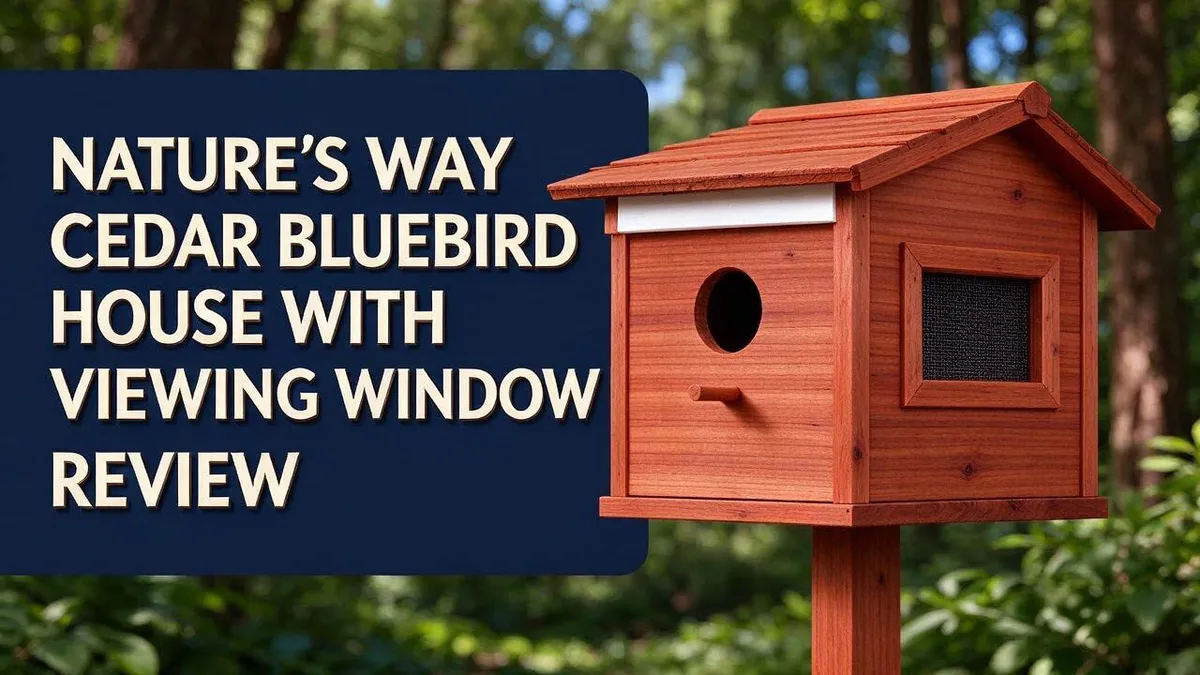
Bluebirds bring color and song to any backyard. Many people want to welcome them, but choosing the right home can feel like a puzzle. That is where the Nature’s Way Cedar Bluebird House with Viewing Window comes in.
This house is made from premium cedar with a water based protective stain. Cedar resists rot and insects. The stainless steel hardware stays rust free, so the box lasts season after season.
Watching nesting birds has never been easier. The stay clear window lets you peek inside without disturbing the family. A 1.5 inch entrance and an extended predator guard help keep the nest safe.
A clean out door and built in ventilation keep the home dry and healthy. Read on to see how this bluebird house performs in real backyards.
In a Nutshell
-
Smart entrance size: The 1.5 inch opening suits bluebirds well. It also helps keep out many larger birds.
-
Extended predator guard: The longer guard makes it harder for cats, raccoons, and snakes to reach the nest.
-
Rust free steel parts: The stainless steel hardware stays strong through many seasons outdoors.
-
Clear viewing window: The window resists cracking. You can watch the family grow without disturbing them.
-
Easy setup with one gap: The house goes up without fuss. However, it lacks mounting screws, so plan to buy them separately.
-
Compact size: The small frame fits tight yards, fence posts, and quiet corners. Shoppers who want a larger option may also compare the Wild Wings Cedar Bluebird Box House or the Ultimate Bluebird House with Viewing Window, which offers Michigan made cedar and a clear door.
Cedar Construction and Weather Resistance

- BLUEBIRD-READY DESIGN: Properly sized entrance opening with an extended predator guard helps keep young birds safe; interior fledgling kerfs give juveniles a secure grip as they climb toward the exit.
- VIEW & LEARN: Clear, crack-resistant viewing panel lets you safely observe nest development without disturbing the birds, offering an educational backyard experience.

Last update on 2026-10-31 / Affiliate links / Images from Amazon Product Advertising API Some of the links on this website are affiliate links, which means that at no additional cost to you, I earn a commission if you click through and make a purchase. I only recommend products and services that I believe will add value to my readers. Thank you for your support!
Cedar has a natural defense against the weather. Its wood contains oils that repel water and slow down decay. This means the house can handle rain, snow, and sun for many years.
Rot resistance is the biggest win. Wood that stays wet often softens and crumbles. Cedar fights this problem well, so the walls stay firm after repeated storms.
Insects also struggle with cedar. Its scent discourages many pests, including bark beetles and other wood-eating bugs. Fewer pests mean fewer repairs and a safer home for bluebirds.
Think about the seasons for a moment. Cedar swells slightly when damp and shrinks when dry. Solid joints keep the box steady through hot summers and freezing winters.
Over time, the wood will fade to a soft silver gray. This change is normal and harmless. Many people like how it blends into trees, fences, and garden walls.
Cedar also handles strong sunlight well. Its grain does not split quickly under heat. The roof and walls keep the nest cool during warm afternoons, which helps nestlings rest comfortably.
Wind can test any birdhouse. Solid cedar walls resist warping, so the box stays square. A square box fits snugly on a post, does not rattle in gusts, and keeps the entrance hole lined up with the nest cup.
Check the seams before the first storm. Tight joints block rain from soaking into the box. Dry nesting material stays dry, and young birds stay warm.
Maintenance stays simple with this material. Brush off dirt, leaves, and old droppings once a year. Never paint the inside walls, because bare wood helps moisture escape.
Mounting needs a little extra planning. One reviewer noted the box does not include mounting screws. Buy a set of exterior screws before you start. This small step keeps the house secure on a fence post or tree.
Entrance Size and Predator Guard
The entrance hole does more than welcome bluebirds. It also keeps larger birds out of the nest.
Starlings often take over nest boxes in backyards. Their bodies are too big for the 1.5 inch opening, so they usually move on.
The size of the hole also shapes how young birds leave the nest. Fledglings need a clear path to the door. A neat opening helps them learn to fly at their own pace.
Nesting material can slowly block the entrance. Grass and feathers build up over time. A quick check each month keeps the path open.
The guard only works when it stays in place. Gently wiggle the house before each season. A loose guard gives climbers a way in.
Tall grass gives snakes and rodents a place to hide. Keep the grass short around the pole. Clear space makes it harder for predators to sneak up on the nest.
Watch the entrance during nesting season. Parent bluebirds often check the area before they go inside. If they hesitate, something may be wrong with the guard or the surroundings.
Small details make a big difference. A clean hole, a firm guard, and a trimmed yard work together. Each step gives the nest a safer start.
Stay-Clear Viewing Window
Watching a nest should never disturb the birds. Every time someone opens a lid, the parents may feel uneasy.
This window lets you watch from the outside. You can see eggs, hatchlings, and feeding visits without touching the box.
Keep your visits short and quiet. Long stares can make parents hesitant to return.
Placement matters for a clear view. Face the window toward a spot you can reach from a path or porch.
Try to avoid direct sun on the glass. Glare can hide the nest inside.
Wipe the window with a soft cloth when the nest is empty. Dust and droppings can blur your view over time.
Stand at a distance when you watch. Bluebirds often return quickly when they feel safe. Binoculars give you a closer look without a close approach.
Keep a simple nest journal. Write down the date, the number of eggs, and the day the chicks hatch.
Your notes help you spot changes fast. A sudden silence or a missing parent may signal trouble.
The window also reveals unwanted guests. If you see starlings or other intruders, you can act quickly.
Many families enjoy gathering for daily checks. Kids learn patience when they count eggs together.
Patience pays off during the season. Young bluebirds usually leave the nest about three weeks after hatching.
After the young leave, open the clean out door and remove old material. This keeps the box ready for the next nesting round.
Top 3 Alternatives
Woodlink Bluebird House

- Handcrafted with natural cedar
- Easy to clean
Last update on 2026-06-10 / Affiliate links / Images from Amazon Product Advertising API Some of the links on this website are affiliate links, which means that at no additional cost to you, I earn a commission if you click through and make a purchase. I only recommend products and services that I believe will add value to my readers. Thank you for your support!
The Woodlink Bluebird House gives bluebirds a cozy place to nest. It has a simple design that fits well in most backyards. The roof opens for easy cleaning after each nesting season. Ventilation holes and drainage keep the inside dry. Mounting it is easy with the right hardware. Bluebirds often find it inviting in open fields and quiet yards.
Heath Bluebird House

- 1-1/2" ENTRANCE HOLE SIZE: SISTERBIRD bluebird houses for outside have a properly-sized entrance hole, through this blue bird houses for outside you can attract desirable species to your bluebird house, such as Bluebird, Wren, Tree Swallow, Chickadees, etc. While this blue bird house excluding predators and unwanted occupants, for example, European starlings
- HIGH-QUALITY MATERIALS: SISTERBIRD birdhouse kits for adults use untreated, unpainted cedar. bluebird nesting box has a rough surface, and birdhouses for outdoors can give birds a foothold as they enter and exit the cedar bluebird house. Cedar of birdhouses for outdoors clearance also can keep out weather-related damage
Last update on 2026-07-01 / Affiliate links / Images from Amazon Product Advertising API Some of the links on this website are affiliate links, which means that at no additional cost to you, I earn a commission if you click through and make a purchase. I only recommend products and services that I believe will add value to my readers. Thank you for your support!
The Heath Bluebird House stands out for its strong build. Its sturdy materials handle rain, sun, and wind well. The sides open so you can check nests without much effort. A small entry hole helps keep larger birds out. Many people choose it for years of use. It also lets you watch the nesting process from a safe distance.
Songbird Essentials Bluebird House

- Your best choice for your pet.
- Durable & Nice-looking
Last update on 2026-10-31 / Affiliate links / Images from Amazon Product Advertising API Some of the links on this website are affiliate links, which means that at no additional cost to you, I earn a commission if you click through and make a purchase. I only recommend products and services that I believe will add value to my readers. Thank you for your support!
The Songbird Essentials Bluebird House focuses on comfort for families of birds. Its interior stays cool and airy during warm summer days. Many users appreciate the easy access panel for quick monitoring. The house mounts on a pole or post with simple hardware. Good airflow matters during hot months. Your feathered visitors will appreciate it. It works well for beginners who want a friendly start with bluebird watching.
Ventilation and Clean-Out Access
Fresh air matters inside any nest box. This house uses vents in both the walls and the floor. Together, these openings keep air moving through the space.
Warm air rises during hot afternoons. It leaves through the upper wall vents. Cooler air then enters through the floor vents below the nest.
Good airflow helps keep chicks comfortable. Bluebird nestlings can overheat quickly when sunlight hits the roof. Moving air lowers that risk and supports healthy growth.
Moisture builds up in a nest box after rain. Damp bedding can grow mold and attract parasites. The floor vents let that moisture drain and dry out faster.
Watch the vents during each season. Dust, leaves, and nesting material can clog small openings. A thin wire or soft brush clears them with little effort.
The clean out door sits on one side of the house. It swings open so you can remove old nesting material. Many people open it after each nesting season.
Clean out access matters for hygiene. Old feathers and droppings collect quickly in a small box. Removing them helps lower the chance of disease for the next family.
Open the door only when the box stays empty. Do this in late summer or early fall. Wear gloves and wash your hands afterward.
The door also helps with pest control. Wasps and mites can build homes in leftover material. A fast clean out removes those unwanted guests before spring.
Check the latch before spring. A loose latch lets rain and predators sneak inside. Press the door closed and test it with a gentle tug.
Cleaning tools make the job easier. Keep a small scraper, a brush, and a bucket nearby. Scrub with plain water, since harsh chemicals can harm birds.
Never use strong cleaners inside the box. Fumes can linger and irritate tiny lungs. Rinse well and let everything dry in the sun before you close the door.
Installation and Mounting
Installing this bluebird house takes only a few basic tools and a little planning. Plan the spot before you start drilling. Good preparation makes the job faster and safer.
The house does not include mounting screws. Buy stainless steel screws at a hardware store before you begin. Rust-free screws match the hardware on the house and last for years.
Choose a sturdy support first. You can attach the box to a smooth metal pole or a wooden fence post. Avoid nailing it to a tree, since nails damage the bark and let the box sway.
Most bluebirds nest best when the box sits about five to six feet above the ground. This height keeps the nest out of easy reach for many climbing animals. Pick an open area with short grass nearby, so the parents can fly in and out with ease.
Drill pilot holes before you add screws. Cedar can split when screws go in without a guide. Drive each screw slowly and stop when the box feels snug.
Use a small level to check the house from side to side and front to back. A level box keeps the floor even for the nest material. Tighten all screws once the box looks straight.
Point the entrance away from strong winds. Turn the opening toward a sheltered side of the yard. This choice keeps cold gusts from blowing straight into the box.
Space boxes at least 100 yards apart. Bluebirds defend their territory, so close boxes can cause fights. Spread out your houses for the best results.
Check each mount after a few weeks. Strong storms can loosen screws, so a quick look keeps the house secure. Make this check part of your yearly routine.
Pros and Cons
Pros
– Cedar resists rot, insects, and nuisance pests.
– The sturdy build holds up well outdoors.
– Installation is simple and quick for most yards.
– Stainless steel hardware stays rust free.
– The window resists cracking and stays clear for viewing.
Cons
– Some reviewers describe the house as small.
– The 1.5 inch opening suits bluebirds mainly.
– The interior space may feel tight for larger nesting families.
Who Should Buy It
If you love bluebirds, this nest box may become a favorite find. Certain people benefit more than others, so let us look at who should buy it.
Families with young children often enjoy this house most. Kids can gather near the window and cheer when eggs hatch. Watching nature together builds curiosity and teaches patience.
New bird lovers also gain a lot here. The simple layout makes the first season feel less stressful. You can learn the basics without feeling overwhelmed.
Bluebird trail builders should give this house serious thought. Trails usually place several boxes along open fields or fence lines. Using the same model across the trail keeps care routines easy.
Teachers and nature club leaders can use this box in class projects. Students study how a nest changes over several weeks. The lesson feels real without any risky handling.
Gardeners who want natural pest control may find this house helpful. Bluebirds eat many insects, including caterpillars that harm leafy plants. A nesting pair can support a garden through the busy season.
Nature lovers who enjoy slow hobbies will appreciate the calm routine. A quick weekly stroll past the box keeps the hobby relaxing and rewarding all season long.
Anyone who wants a dedicated bluebird home will feel right at home with this model. It focuses on one species and gives those birds a safe place to raise chicks.
Still, some shoppers should look elsewhere. People hoping to host many bird species may want a larger or more flexible design.
Shoppers who want a Michigan made option might compare the Ultimate Bluebird House. It also offers cedar construction and a clear door. Side by side, the choice often comes down to personal taste.
Think about your yard size, your goals, and your time outside. Picture the box on your fence post with birds coming home each spring. If those details match your plans, this house may be the right pick for you.
Final Verdict
The Nature’s Way Cedar Bluebird House with Viewing Window earns a solid recommendation. It does its main job well. Bluebirds get a safe place to raise their young.
Overall, this house feels like a smart pick for most backyards. It combines natural materials with useful features. The build feels thoughtful from start to finish.
Think of it as a dependable home rather than a flashy gadget. Many birders value steady performance over fancy extras. This model delivers that steady performance season after season.
The window adds the most fun. You can check on eggs and chicks without opening the box. Quick peeks keep the birds calm.
Patience pays off with this house. Bluebirds may take a few weeks to accept a new box. Keep the house in place through the season and avoid moving it. Steady placement helps birds trust the home.
Nature study becomes a daily habit with this box. Everyone in the household can track nest building, feeding, and fledging. The window turns simple backyard moments into small lessons.
Who gets the most value? Buyers who want a box made only for bluebirds will like it most. Other cavity nesting birds may ignore it, so mixed backyard goals need extra planning.
Who might want a different option? Shoppers who skip the window can look at the Nature’s Way CWH3 Cedar Bluebird Nesting Box. It comes from the same brand and keeps the same focus on cedar. The main difference is the clear view.
Anyone who wants a Michigan made cedar house with a clear door should compare the Ultimate Bluebird House with Viewing Window. The two models share a similar purpose. Your choice depends on which features matter most to you.
In short, this box earns its spot. It offers a clear view, sturdy cedar, and an easy setup. Pick it with confidence, then enjoy watching bluebirds raise their families.
Frequently Asked Questions
Does this bluebird house include mounting screws?
Some reviewers say the box does not come with mounting screws. Plan to get exterior screws before you start. Choose screws that grip wood well and hold up outdoors.
How do I clean the box between nesting seasons?
The clean-out door makes this task simple. Open the door once the season ends. Remove old nesting material and wipe away droppings. Let the box dry fully before the next season begins.
Does the extended predator guard keep nests safe?
The guard helps block climbing predators at the entrance. It cannot stop every threat. Snakes and some small mammals can still reach nests, so check the box often during nesting.
Do the air vents need any attention?
The vents run through the wall and floor. They help release heat and moisture from the nest. Check them now and then. Clear away any debris or nesting material that blocks airflow.

Hello, I’m Amelia White, the founder of birdsfanatic.com. As a lifelong bird enthusiast and spiritual seeker, I’ve always been fascinated by the mystical connections between birds and the human experience. On this site, I share my knowledge and insights into the symbolic meanings and spiritual significance of various bird species, exploring their roles in mythology, folklore, and cultural traditions. Join me on this journey into the world of birds, where we’ll discover the hidden wisdom and guidance that these magnificent creatures have to offer.