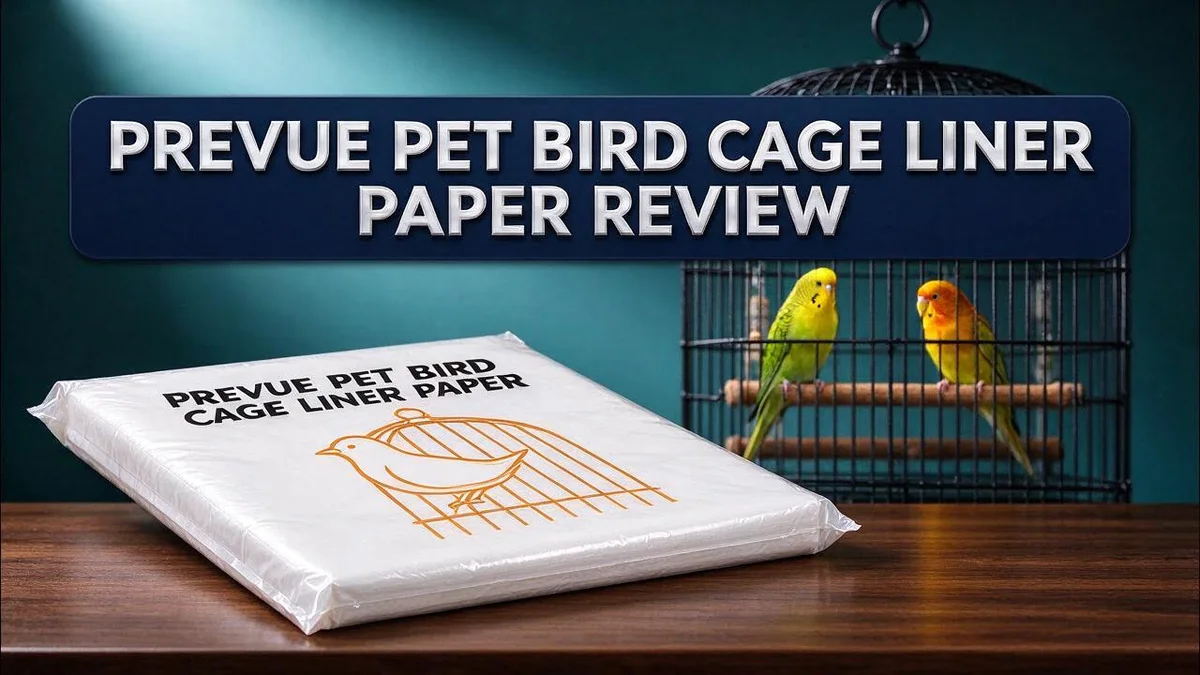
Prevue Pet Bird Cage Liner Paper Review 2026: The Ultimate Guide
The Prevue Pet Bird Cage Liner Paper is a popular choice. It is a disposable paper liner made for birds and small animals.
The thick paper soaks up moisture well. It can also be cut into custom shapes to fit your cage.
In this review, we take a close look at how this liner performs. We cover its key strengths, common drawbacks, and who it suits best.
You will also see simple alternatives, like kraft paper and butcher paper.
In a Nutshell
Here is what you need to know quickly:
- Custom fit for any cage: You can cut this paper into the exact shape your cage needs, so every corner gets covered and your bird has fewer gaps for droppings and debris to slip through.
- Room for soft pads: The paper lets you place soft pads under your bird’s perch area, which can ease pressure on tiny feet.
- Made without harsh additives: Reviewers describe the paper as free from harmful or toxic additives, which gives many owners peace of mind.
- Extra prep time: The thick sheets take more effort to cut and fit into corners, so plan some extra time for setup before your bird moves in.
- Stubborn curl from the roll: Some owners say the paper sits tightly rolled and is hard to lay flat, so a few weights or a gentle press can help.
- Other paper options: Unprinted newsprint, kraft paper, and butcher paper also work well, but always confirm that any inks and chemicals are safe for birds.
Paper Thickness and Absorbency

- Safe and clean, without chemicals or bleaches
- All natural coating provides extra protection

Last update on 2026-10-31 / Affiliate links / Images from Amazon Product Advertising API Some of the links on this website are affiliate links, which means that at no additional cost to you, I earn a commission if you click through and make a purchase. I only recommend products and services that I believe will add value to my readers. Thank you for your support!
Thickness plays a big role in how a cage liner works. Thicker sheets hold more liquid before they start to leak through. This matters a lot because droppings and water spills happen every day.
Thin paper can tear when it gets damp. Thick paper stays intact for longer, so the bottom of the cage stays dry. Torn spots also let droppings seep into the gaps.
Absorbency also depends on fiber density. Dense paper pulls moisture into its layers instead of letting it sit on top. That means fewer messy puddles on the cage floor.
Kraft paper is a strong choice for this job. It is thicker than newsprint and often handles heavy moisture better. Butcher paper is another option with good strength. Both can be cut to fit corners neatly.
Newsprint is thin and soaks up less. Many owners layer it to add thickness, which works but takes more time. Layering can also trap odors if the top sheet stays wet.
Check the sheet before you cut it. Press a corner and see if it feels firm. Hold it up to the light, since a dense sheet blocks more of it. Test a drop of water to see how fast it spreads.
Replace soiled sections often, even if the rest looks dry. Wet spots can grow bacteria and cause smells. Fresh paper keeps the cage cleaner.
Absorbent paper also makes cleaning easier. Waste lifts off the tray without much scraping.
Thick paper gives birds a firmer walking surface. Feet feel more stable when the floor does not slide or bunch up.
Overall, thickness and absorbency go hand in hand. Choose the thickest sheet you can cut easily, then change it on a regular schedule for a healthy cage.
Custom Cutting and Fit
Measure the tray first. Start with a clear measurement of your cage floor. Measure the length, width, and depth at each corner. Write these numbers down before you touch the paper.
Make a test sheet from old cardboard or a cereal box. Trace the tray shape onto it. Then cut the test piece and place it in the cage. This shows you any gaps before you use the real liner.
Mark the spots that need room. Perches, food bowls, and water dishes sit above the floor. Draw small circles or notches where these items stand. Cut each opening a little smaller than the item base, so the paper stays snug.
Fold up about half an inch along each edge. This lip keeps the liner from sliding when your bird scratches or kicks at the floor. It also helps stop droppings from slipping under the sides.
Plan for the door and any open sides. Trim the paper so it does not block the door latch. A loose edge caught under the door can tear fast, so keep the area clear.
Use sharp scissors or a craft knife on a flat surface. Cut slowly and in straight lines. Dull tools can leave ragged edges that catch on your bird’s toes.
Cut separate pieces for cages with several levels. Some cages have trays with odd corners or split floors. Cut one piece for each section instead of forcing one large sheet. Overlap the edges by about one inch, so no gaps appear between pieces.
Test the fit every time. Set the liner in the tray, then check each corner. If it bunches or pulls away, trim a little more. Keep a spare sheet nearby so you can swap it quickly when the old one gets soiled.
Label each piece with a marker if you cut several shapes. This keeps the layout clear when you replace the paper. Your bird will feel more at home with a neat and secure setup.
Material Safety and Additives
Birds chew almost everything they reach. That makes the materials in a cage liner matter more than many owners expect.
Start with the label on the roll. The Prevue listing mentions an antimicrobial protected finish, so read what that finish includes before you rely on it. An antimicrobial treatment aims to slow bacteria growth. It does not replace regular cleaning.
Printed ink deserves close attention, too. Plain newsprint often carries colored print that can rub off on feathers and skin. Unprinted sheets lower that risk.
Plain kraft and butcher paper usually come without printed designs. This makes them a simple choice for owners who want fewer questions about ink.
Glossy coatings, wax layers, and scented sheets can also cause trouble. Birds have sensitive airways, so strong fragrances may irritate them. A coated surface may also flake when chewed.
Trust your nose as well. A sharp chemical smell from a fresh sheet is a warning sign. Set that roll aside and try a different product.
Recycled paper needs a close look, too. Old sheets may carry glossy advertisements or leftover dyes. Choose plain paper whenever possible.
Contact the maker when the label feels vague. Ask about dyes, adhesives, and any treatment used on the paper. A clear answer shows that the company takes safety seriously.
Store unused rolls in a dry spot, away from cleaning products. Damp paper can grow mold, and mold can harm a bird. Keep the packaging sealed until you need it.
Wash your hands after you handle used liners, especially after you clean droppings. Clean hands help keep your home and your bird healthy.
Top 3 Alternatives
Choosing the right cage liner keeps your bird comfortable and makes cleaning easier. Here are three strong options to consider.
Kaytee Clean & Cozy

- ODOR CONTROL for long-lasting freshness, Kaytee Clean & Cozy can be used with any type of habitat for a fresh animal home
- CRAFTED WITH YOUR PET IN MIND, Kaytee Clean & Cozy is fragrance-free, 99% dust-free, soft on paws, and gentle on noses
Last update on 2026-10-31 / Affiliate links / Images from Amazon Product Advertising API Some of the links on this website are affiliate links, which means that at no additional cost to you, I earn a commission if you click through and make a purchase. I only recommend products and services that I believe will add value to my readers. Thank you for your support!
Kaytee Clean & Cozy gives your bird a soft and absorbent base. It traps droppings well and helps keep the cage tray dry.
Many owners enjoy how easy it is to replace. You simply remove the old sheet and place a new one. Cleanup takes only a few minutes each week.
Carefresh Complete

- Small Pet Bedding: carefresh small pet bedding in colorful confetti natural paper fiber bedding makes the softest, driest most comfortable home for small pets
- Pillowy Soft: Comfyfluff natural paper bedding made from scratch is gentle on sensitive feet with perfect texture for burrowing, tunneling, nesting, or creating a hamster hideout; ideal rat bedding, mice or guinea pig bedding, rabbit litter
Last update on 2026-10-31 / Affiliate links / Images from Amazon Product Advertising API Some of the links on this website are affiliate links, which means that at no additional cost to you, I earn a commission if you click through and make a purchase. I only recommend products and services that I believe will add value to my readers. Thank you for your support!
Carefresh Complete uses a soft, paper-based material that feels gentle on your bird’s feet. It absorbs moisture and controls odor for longer periods.
This liner works well for daily use. It also breaks down easily, so you can dispose of it without fuss.
Living World Cage Liners

- Super Absorbent & Leak Proof Defense: Engineered with multiple absorbent layers, our bunny pads locks in liquid within seconds, turning liquid into gel to keep the surface dry. Each rabbit potty pad features a leak-proof PE backing and leak-resistant edges, protecting your floors and cage bottoms from stains and spills. Say goodbye to messy cleanup!
- Advanced Odor-Control Ability: WRINGKIT pet peed pads contains premium activated bamboo carbon with strong absorption, which effectively neutralize and eliminate the smells instead of just masking them. Enjoy cleaner air and a happier home, no more unpleasant odor lingering around!
Last update on 2026-10-31 / Affiliate links / Images from Amazon Product Advertising API Some of the links on this website are affiliate links, which means that at no additional cost to you, I earn a commission if you click through and make a purchase. I only recommend products and services that I believe will add value to my readers. Thank you for your support!
Living World Cage Liners arrive in a simple sheet format. They lay flat and cut to size with scissors.
Birds often walk on them without slipping. The liners fit most standard trays, so you can use them in many cage setups.
Value for the Price
The Prevue Pet Bird Cage Liner Paper gives you a clean start every time. You simply pull out the old sheet and drop in a new one.
Daily cleaning takes far less time. Many owners skip heavy scrubbing because the liner catches most of the mess. Less scrubbing means more time with your bird.
Quick swaps also fit into a busy schedule. Tossing a used sheet takes seconds, while washing a tray takes much longer.
Reviewers often praise the thick paper for holding its shape. Many say it stays put once the fit feels right.
Think about the whole month, not just one sheet. A steady stock of liners keeps the cage tidy week after week. Regular changes also make it easier to notice unusual droppings early.
The product is made for birds and small animals. That focus means it suits many common cage types.
Ready made sheets save a trip to the store. Kraft and butcher paper also work, but you must source and prepare them yourself.
Newsprint can work too, but only when the inks are checked. Sorting out those details takes time that a ready made sheet avoids.
Some owners find the first few sessions slower. Thick paper needs patience when you cut and fit it. Once you learn the routine, the job feels much quicker, and patience pays off over time.
Who gets the most from this liner? Busy owners and people with several cages gain the most. Anyone who wants a clean, simple setup will likely feel satisfied.
Overall, this liner delivers strong results for the effort involved. Cleaner trays, quicker chores, and a tidier home make it a helpful choice for everyday bird care. Plus, the fresh smell in the room keeps the whole home pleasant.
Setup Effort and Handling
Setup takes a bit more effort than many owners expect. Thick paper resists bending, so it needs patience from the start.
Unrolling is the first challenge. The roll stays curled tightly, so the sheet springs back when you try to flatten it.
Give the sheet time to settle. Place it under a heavy flat book overnight. This simple trick helps it lie flat in the tray.
Keep a cutting mat or thick cardboard under the sheet. It protects your table and helps the blade glide through the paper cleanly.
Work in a bright room. Good light shows wrinkles and curled corners before your bird moves in.
Expect some curl at the edges. Thick paper keeps its memory, so the corners may lift after a few days.
Avoid wetting the liner. Damp paper weakens quickly and can grow mold.
Handling a full sheet needs two hands. Lift from the center so the weight does not tear the paper at the edges.
Thick paper also keeps its edge shape well. That means fewer gaps along the tray walls once it sits in place.
Some owners find the paper hard to fold in tight spots. Score the crease with a dull butter knife before folding.
Plan for a little extra time each week. Heavier paper takes longer to swap than thin sheets do.
Keep a small stack of spare pieces nearby. Extra cuts save time when a corner tears or the sheet gets dirty.
Most owners adjust after a few tries. Once the routine feels natural, the setup becomes a quick task.
Good planning keeps frustration low. A calm setup session makes the cage feel fresh and ready for your bird.
Pros and Cons
Pros
- Thick paper soaks up moisture better than thin sheets.
- You can cut it into custom shapes for any cage.
- The soft surface gives birds’ feet a gentler place to rest.
- It is made without harmful or toxic additives.
- It works well for birds and small animals alike.
Cons
- Thick paper takes extra effort to cut cleanly.
- Trimming leaves scraps that need sweeping up.
- Stiff sheets may not fit tight corners in every cage.
Who Should Buy It
First-time bird owners often feel unsure about which materials are safe. This liner takes much of that guesswork away. It arrives ready to use, so you skip the research on inks and chemicals.
Owners of several small pets also benefit. Many people keep a bird alongside a hamster or guinea pig. One pack can serve both setups.
Busy households will appreciate having sheets on hand. Keeping a spare stack at home prevents last minute trips to the store when a cage needs a fresh layer.
Shoppers who want one simple option can save time here. You do not need to hunt for separate supplies or test materials yourself.
Owners who live in humid rooms also gain something useful. Cages near a window or in a steamy bathroom collect extra moisture. A sturdy sheet helps during those damp months.
This liner may not suit every owner. Anyone who prefers washable fabric liners will want a different option. Reusable choices can reduce waste over time.
Caregivers who travel often may find this helpful too. A pet sitter can follow simple instructions for swapping sheets. Clear, consistent steps keep the cage clean while you are away.
Older owners or people with limited mobility might also appreciate the routine. Lifting out one used sheet can feel easier than cleaning a full tray by hand, especially for those who find bending difficult.
Households with young children also gain something here. Keeping cage supplies in one place helps families stay consistent with care routines.
Overall, this liner suits people who want a practical and steady choice. Think about your daily routine, cage setup, and bird type before you decide.
Final Verdict
Our final verdict favors the Prevue paper liner for most bird owners.
It offers thick, absorbent paper that handles droppings well. It also cuts into custom shapes for nearly any cage.
The setup takes real effort. Results stay consistent, though. Once the sheet lies flat, daily cleaning feels much easier.
This liner suits owners who enjoy hands-on care.
People who like trimming and fitting materials will feel at home with it.
Those who want a plug and play option should look elsewhere.
Compare it with other choices before you commit. Kraft paper offers similar thickness, but you must source it yourself.
Newsprint is easy to find. Its ink safety, however, needs checking first.
The Prevue option removes much of that guesswork. Owners who dislike research gain some peace of mind here.
Choose this liner if you want a dependable paper option. It absorbs well and fits unusual spaces.
Skip it if you want instant setup or thin, lightweight sheets. Think twice if you cannot store a bulky roll.
Replace the liner daily or whenever it gets soiled. Keep a spare sheet ready so the cage never sits bare.
Think about your bird’s habits too. Active birds that scatter seed need extra cleanup each day. Calm birds may need fewer changes.
Watch how your bird moves across the liner. Note any slipping or bunching, then adjust your routine as needed.
A clean, well fitted cage keeps birds comfortable and owners calm. This liner can help you get there with a little patience.
Frequently Asked Questions
Will my bird chew through this liner?
Many birds enjoy shredding paper. The thick sheets give them something to nibble. Watch your bird closely during the first few days. Replace any torn pieces fast so loose bits do not end up in food or water dishes.
How often should I change the liner?
Change the liner once a day for a small cage with a messy bird. Spot clean the corners in between. Check the areas under perches, since droppings often collect there.
How can I keep the paper from curling?
The roll can make the sheet curl at the edges. Try rolling the paper the opposite way for a few minutes before you cut it. You can also press the cut sheet under a heavy book overnight. A flat sheet sits better in the tray.
Can I use this liner in a travel carrier?
This liner works best in a fixed cage. A moving carrier can make the sheet shift or bunch up. Use a smaller piece that fits snugly, or choose a different option for trips.
Does this liner stay in place on a grate bottom?
Yes, you can place it under a grate. Cut the sheet so it fits the tray edges without sliding. Trim a little at a time. A snug fit keeps the paper from moving when your bird walks or flaps.

Hello, I’m Amelia White, the founder of birdsfanatic.com. As a lifelong bird enthusiast and spiritual seeker, I’ve always been fascinated by the mystical connections between birds and the human experience. On this site, I share my knowledge and insights into the symbolic meanings and spiritual significance of various bird species, exploring their roles in mythology, folklore, and cultural traditions. Join me on this journey into the world of birds, where we’ll discover the hidden wisdom and guidance that these magnificent creatures have to offer.