Wild Delight Bluebird Food Review 2026: Is This Worth Using?
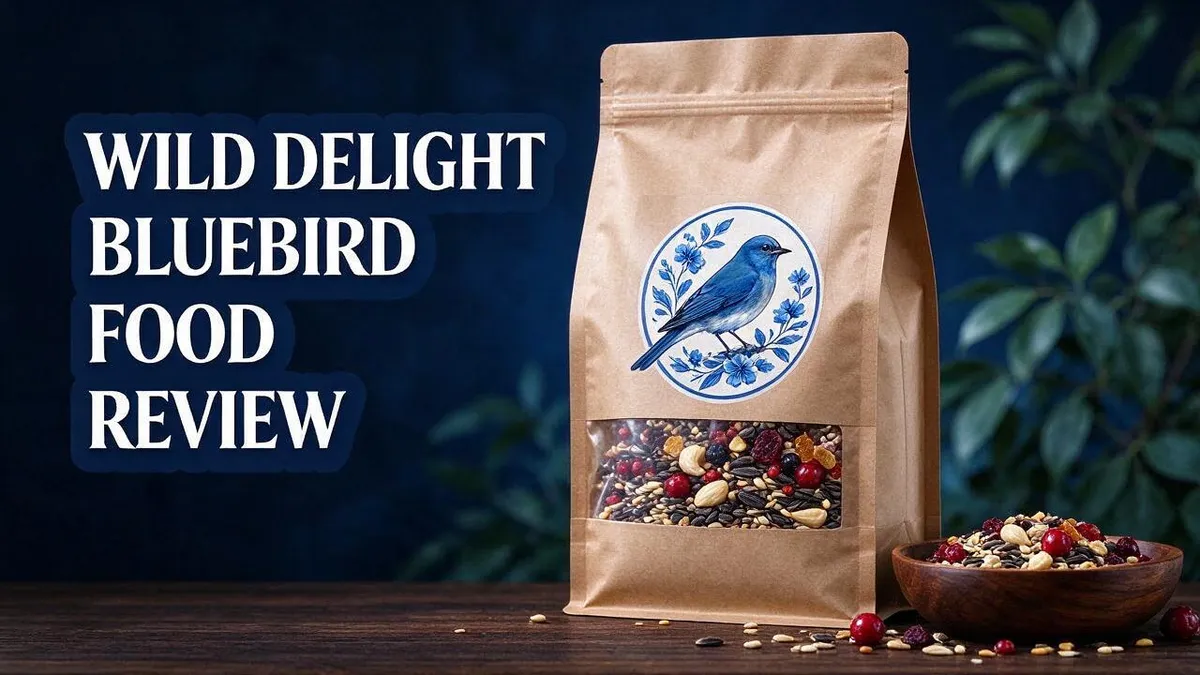
Do you want more bluebirds, or at least more happy visitors, at your feeder? Wild Delight Bluebird Food promises to help.
This zero waste blend has no hulls and no fillers. It skips corn and millet completely. Birds eat more of it, and you sweep up less.
Reviewers say it attracts more birds than cheaper corn and milo mixes. Others say the Sizzle N’ Heat formula deters squirrels.
In a Nutshell
- Best fit: This blend suits backyard birders who want a busy, active feeder. It works as a general wild bird food more than a dedicated bluebird meal.
- Nutrition: The Advanced Formulas recipe includes a complete vitamin and mineral blend. Birds get extra nourishment from each scoop.
- Squirrel control: Reviewers say the Sizzle N’ Heat treatment keeps squirrels away. Birds still keep the feeders busy.
- Cleaner feeding area: Birds eat nearly everything they pick up. You sweep up fewer scraps below the feeder.
- Smart pairing: Add a dish of mealworms or a berry treat next to the feeder. This boosts your chances of drawing true bluebirds.
- Same brand option: Try Wild Delight Nut N’ Berry if you want a fruit and nut mix. It offers a different flavor profile from the same maker.
Bottom line: This is a solid, low mess choice for a lively feeder. Serious bluebird fans should still add insect based treats.
Ingredients and Formula Quality

- Premium food
- Variety seed

Last update on 2026-06-10 / Affiliate links / Images from Amazon Product Advertising API Some of the links on this website are affiliate links, which means that at no additional cost to you, I earn a commission if you click through and make a purchase. I only recommend products and services that I believe will add value to my readers. Thank you for your support!
Good bird food starts with good ingredients. Many buyers want to know what goes into the bag before they fill a feeder. Wild Delight Bluebird Food focuses on premium seed and a clear formula, which many shoppers prefer.
Ingredient quality matters because bluebirds are picky eaters. A bag full of cheap filler often gets tossed aside. This mix aims to give birds more of what they actually eat.
Still, the public details stay limited. No full ingredient list appears in the research. Before you buy, check the label for the exact seeds, nuts, and fruit pieces. Look for whole pieces instead of crushed dust.
Good label checks help you judge quality. Here are a few simple steps:
Read the first three ingredients. They make up most of the bag.
Look for named seeds like sunflower hearts instead of vague terms like grain blend.
Skip mixes that list corn or milo near the top.
Nuts and seeds supply protein and healthy fats. These nutrients help bluebirds build energy during cold snaps.
Formula consistency matters too. A steady recipe means birds get the same nutrition each time. Consistent quality also helps you spot changes fast. Ask the brand about sourcing if you care about where the seed comes from. Clear answers build trust.
Freshness counts just as much as the recipe. Fresh seed smells mild and nutty. Old seed may smell sour or musty, so toss it. Keep the bag sealed in a dry place. Moisture can cause mold, which harms birds. Check the best by date when you open the bag.
Pair your formula choice with your local birds. Bluebirds in cold areas may need more fat and energy in winter. Choose a mix with high energy seeds during colder months.
Zero-Waste, No-Hull Design and Feeder Cleanliness
Feeder cleanliness matters more than many people think. Old hulls and husks often fall to the ground and pile up beneath the feeder.
They turn damp over time. Damp debris can grow mold, which may harm birds that feed nearby. A seed mix without hulls helps cut down on this extra clutter.
Less shell waste also means less sweeping. You spend fewer minutes raking husks from patio stones or lawn grass. Many backyard birders enjoy this quiet win after a long week.
Still, no feeder stays clean on its own. Plan a simple routine that fits your schedule.
Empty leftover seed every week or two, especially in wet or humid weather. Wipe the tray with warm water and a mild soap. Rinse well and let every part dry fully before refilling.
Watch for wet seed. Moisture makes food spoil fast, so fill only what birds eat in a few days. Store the bag in a sealed container somewhere cool and dry. This keeps the mix fresh and reduces waste.
Pick the right spot too. Place the feeder where rain cannot soak the food easily. A covered perch or a spot under an eave works well.
Check the ground below the feeder each morning. Remove any clumps of soggy seed you find there. Check the feeder for cracks or rough spots each month. Damaged parts trap old food where germs can grow.
Small habits add up. A clean feeder invites more visitors and keeps them healthier. Clean feeders attract birds that stay longer. Happy birds often return day after day.
Bird Attraction and Bluebird Appeal
Bluebirds are shy and picky, so any new food source needs time to earn their trust. Many backyard birders see more bird traffic after they switch to this blend. Reviewers say the mix draws a steady crowd to the feeder.
Why does this mix pull in birds? Seed with no filler means every bite counts. Birds do not need to sort through corn or milo to find what they want. That saves them effort, so they stay longer.
Bluebirds prefer insects and berries, so this seed blend will not replace their natural diet. Think of it as a reliable backup during cold months when bugs are scarce. Expect steady visits rather than instant crowds.
Bluebird appeal also depends on the feeder setup. A tray style or open platform lets birds land easily. Pick a feeder with a sturdy perch so bluebirds feel comfortable landing.
Visibility matters too. Place the feeder where bluebirds can spot it from a perch, such as near a fence line or open lawn. Bluebirds like clear sightlines, so they feel safe while they eat.
Patience pays off. Give the feeder two or three weeks before judging results. New visitors often arrive first and then bring their flock. Watch the feeder at dawn and late afternoon when activity peaks.
Competition can slow things down at first. Starlings and house sparrows may arrive early. Stay consistent, and bluebirds often return once the feeder feels safe. Note how often each bird type stops by.
Top 3 Alternatives
Kaytee Wild Bird Food

- AMERICA’S EVERYDAY FAVORITE blend and a mainstay in backyard feeders. Complete with a number of different grains to attract many birds year-round.
- NOW CONTAINS 2X MORE SUNFLOWER with new formula, as well as added nutrition. Fortified with vitamins to help wild birds throughout the seasons.
Last update on 2026-06-10 / Affiliate links / Images from Amazon Product Advertising API Some of the links on this website are affiliate links, which means that at no additional cost to you, I earn a commission if you click through and make a purchase. I only recommend products and services that I believe will add value to my readers. Thank you for your support!
Kaytee Wild Bird Food is a good choice for many backyard feeders. It contains a mix of seeds that attract a wide range of birds.
Many bird lovers like it because it is easy to find. A large bag lasts a long time, so it suits busy households. Bluebirds may skip some seeds in the mix, so sprinkle it on a platform feeder for the best results.
Pine Tree Farms Mealworms

- Package of 8 large seed cakes for your backyard birds
Last update on 2026-11-13 / Affiliate links / Images from Amazon Product Advertising API Some of the links on this website are affiliate links, which means that at no additional cost to you, I earn a commission if you click through and make a purchase. I only recommend products and services that I believe will add value to my readers. Thank you for your support!
Pine Tree Farms Mealworms offer a protein boost that bluebirds love. Dried mealworms are a natural treat for insect eaters.
Bluebirds often search for insects in open fields, so mealworms feel like a familiar meal. Offer them in a small dish or a mealworm feeder. Keep the dish dry, since wet mealworms can spoil quickly. They also help young birds grow strong during nesting season.
Songbird Essentials Bluebird Food

- Clear Hummingbird Nectar
Last update on 2026-09-13 / Affiliate links / Images from Amazon Product Advertising API Some of the links on this website are affiliate links, which means that at no additional cost to you, I earn a commission if you click through and make a purchase. I only recommend products and services that I believe will add value to my readers. Thank you for your support!
Songbird Essentials Bluebird Food is made for the birds it is named after. The blend focuses on insects, fruits, and seeds that bluebirds enjoy.
Many people use it in winter when natural food is scarce. It helps keep bluebirds fed when the weather turns cold. Place it in a tray feeder away from busy areas. Check the feeder often and clean it to keep birds healthy. Look for the bluebird name on the bag when you shop.
Squirrel Deterrence and Sizzle N’ Heat Performance
Squirrels can empty a bird feeder in a single afternoon. Many backyard fans feel frustrated when their seed disappears too fast.
Sizzle N’ Heat is the feature that targets this problem. Reviewers say it deters squirrels while keeping feeders busy with birds.
Reviewers describe fewer squirrel visits around the feeder. That leaves more seed for the birds you want to see.
The available details do not explain the exact method behind Sizzle N’ Heat. No lab tests or performance numbers appear in the research.
Squirrels are clever, so no single product stops them every time. Expect some visits even with a deterrent in place.
Pair the mix with a squirrel baffle for better results. A baffle blocks climbing access from poles and nearby branches.
Squirrel pressure changes with the seasons. Winter often brings hungry squirrels, so watch closely when natural food sources shrink.
Look for chew marks on the feeder or scratches on the pole. These clues show whether squirrels still find a way in.
Watch how the squirrels react during the first few weeks. Note whether they visit less often or still raid the feeder.
Keep a simple log for two or three weeks. Write down squirrel visits and bird counts each morning to spot trends.
A clear pattern helps you decide whether the feeder deserves a permanent spot. Good data beats guesswork every time.
Sizzle N’ Heat works best as one part of a complete setup. Combine it with a sturdy pole, a baffle, and regular checks.
Your own yard offers the best proof of performance. Treat marketing claims as a starting point, not a final verdict.
Nutrition and Seasonal Feeding Tips
Nutrition changes with the seasons, and bluebirds feel those shifts first. Their needs grow during nesting, molting, and cold snaps. A smart feeding plan matches food to each stage of the year.
Spring brings the biggest demands. Parent birds need protein to raise healthy chicks. Offer mealworms beside this seed mix for quick extra protein. The vitamin blend helps when insects are scarce.
Summer calls for fresh water. Hot days dry out birds fast. Set a shallow dish of clean water near the feeder. Change it often so it stays fresh and free of algae.
Molting season comes later in summer. Bluebirds replace worn feathers, and that process takes plenty of energy. Keep the seed stocked so they can refuel.
Fall is the time for berries. Bluebirds build fat reserves before cold weather arrives. Add chopped apples, raisins, or soft fruit near the feeder. These treats mimic the wild foods birds seek out.
Winter needs steady energy. Freezing nights burn calories quickly. The seed mix gives birds a reliable fuel source on bitter mornings. Keep the feeder full so birds do not search far for food.
Cold snaps also call for fat. Pair the seed with suet in a separate cage so birds get extra calories. Keep the two feeders apart to reduce crowding.
Track what birds eat. Notice which foods disappear first each season. Those choices reveal what your local birds prefer. Adjust your offerings based on what you see.
Seasonal feeding works best with patience. Small changes add up over the year. A simple plan keeps bluebirds healthy from spring nesting through winter nights.
Value and Availability
Getting the most from this blend starts with a simple question. How much food do your feeders really use each week?
Keep a small stock on hand. Bluebirds visit in waves, so a steady supply keeps them coming back. Running out can break the routine they have learned.
Same brand options may fit your plan. Wild Delight Nut N’ Berry is one alternative from the same maker. Mixing options can give your feeders more variety across the year.
Other choices also work well in a mixed feeding plan. Suet, sunflower hearts, mealworms, and peanuts are all worth considering. You can rotate them through the seasons.
Check stock before you commit. Availability can shift from week to week. Some sellers may run short during busy seasons. Setting a reminder helps you reorder on time.
Read the packaging when it arrives. Compare the label with the product listing. Confirm the bag matches what you expected to receive.
Your location affects how fast you can get supplies. Shipping times may vary by region. Plan ahead before the cold months begin.
Storage matters too. Moisture can spoil seed quickly. Keep bags sealed in a cool, dry spot.
Sizing also matters. A small feeder needs refills more often than a large one. Match your purchase size to your feeder capacity.
Trial runs help you see what works. Try a smaller bag first. Watch which birds stay longer and note how quickly the food disappears.
Shared feeding spots can change your needs. If neighbors also feed birds, you may need more seed. Plan for busier weeks in spring.
A thoughtful plan keeps your feeders full. Check stock, compare options, and reorder before supplies run low.
Pros and Cons
Pros
- Reviewers say it draws more birds to the yard.
- Every bite is useful because there are no hulls.
- Less seed goes to waste since fillers are left out.
- A complete vitamin and mineral blend supports bird health.
- Premium ingredients make it a strong pick for backyard feeders.
Cons
- Bluebirds naturally prefer insects, mealworms, and berries.
- Plain seed mixes may not be their first choice.
- Weight and full ingredient details are hard to confirm.
- Few specific drawbacks appear in the available reviews.
Who Should Buy It
Bluebird fans with a backyard feeder should give this blend a close look. It suits people who want a clean feed with less mess. Many yards already host busy songbirds, so this mix may fit right in.
Good fits include people who enjoy watching birds every day. Busy households with limited time also benefit from a simple routine. A reliable feeder keeps the yard lively through the year.
Beginners often feel unsure which seed to buy. This blend keeps the choice simple. One bag can serve several bird types at once.
Consider this option if you already offer mealworms or berries. Bluebirds often pick insects and fruit first. A seed blend then works as a side dish. Pairing both gives birds a fuller menu.
Skip this blend if you expect bluebirds to live on seed alone. The research notes they prefer insects and berries over seed mixes. Plain seed may not win their attention at first.
Shoppers who need full ingredient lists should pause before ordering. Weight and complete ingredient details are hard to confirm right now. Read the listing closely to fill those gaps.
Squirrel troubles can make feeding frustrating. Reviewers say the Sizzle N’ Heat feature helps keep feeders busy. This angle suits yards where squirrels raid every tray.
Gardeners who dislike cleaning up scattered seed may also like this option. Fewer fillers mean less debris under the feeder. Your lawn and patio stay tidier over time.
Experienced feeders may also enjoy testing something new. It can add variety to a long-running setup. Choose this blend if you want a premium option for a mixed crowd.
Final Verdict
Wild Delight Bluebird Food earns a solid recommendation from me. It delivers clean feed, and it keeps your feeder tidy.
The research paints a clear picture. Reviewers praise the results, and few complaints surface. That is a good sign for any bird feed.
Still, I see it as a strong supporting player, not a complete meal plan. Bluebirds follow their instincts, and those instincts lean toward live and fruity foods.
Think of this blend as one part of a bigger menu. Add it to your yard, then watch which birds respond first.
My final take: Buy it if you want a dependable feed that fits a varied setup. Pair it with other bluebird favorites for the best chance of regular visits.
Here is a simple way to judge it for yourself:
- Fill one feeder with the blend.
- Watch that feeder for two weeks.
- Note which birds visit and how often.
- Adjust your menu based on what you see.
This small test takes little effort. It also gives you real answers about your own backyard.
Patience matters here. Birds need time to trust a new feeding spot, so give the blend a fair chance before you decide.
Bluebirds reward steady care. Clean feeders, fresh food, and a calm yard all help your odds of seeing them return.
Keep notes if you like. A short log of dates and visitors makes the next purchase choice easy.
Bottom line: Wild Delight Bluebird Food is a smart, low risk addition for most bird lovers. Set fair expectations, and you will likely enjoy the results. Your yard, your birds, and your patience will decide the rest.
Frequently Asked Questions
Does the squirrel deterrent really work?
Reviewers say the Sizzle N’ Heat feature helps keep squirrels away. This means your feeder stays busy with birds instead of pests. Results can vary from yard to yard, so keep an eye on your own feeder during the first few weeks.
Can I pair this blend with another Wild Delight product?
Yes, you can. Wild Delight Nut N’ Berry is a related option from the same brand. Offering two blends gives your visitors more choice. You can switch between them to see which one draws more activity at your feeder.
What other foods can I offer alongside it?
The research does not name any direct bluebird food rivals. Generic options include suet, sunflower hearts, peanuts, and standard seed mixes. Pairing the blend with a few of these foods can widen your menu. Just remember that bluebirds often reach for insects and fruit first.
Why might birds ignore the feeder at first?
Birds can take time to find new food sources. Many backyard visitors need a few days to notice a fresh feeder. Keep the food stocked and the feeder clean. Steady care gives birds time to build trust, so patience usually pays off.

Hello, I’m Amelia White, the founder of birdsfanatic.com. As a lifelong bird enthusiast and spiritual seeker, I’ve always been fascinated by the mystical connections between birds and the human experience. On this site, I share my knowledge and insights into the symbolic meanings and spiritual significance of various bird species, exploring their roles in mythology, folklore, and cultural traditions. Join me on this journey into the world of birds, where we’ll discover the hidden wisdom and guidance that these magnificent creatures have to offer.