C&S No-Melt Suet Dough Review: Worth It in 2026?
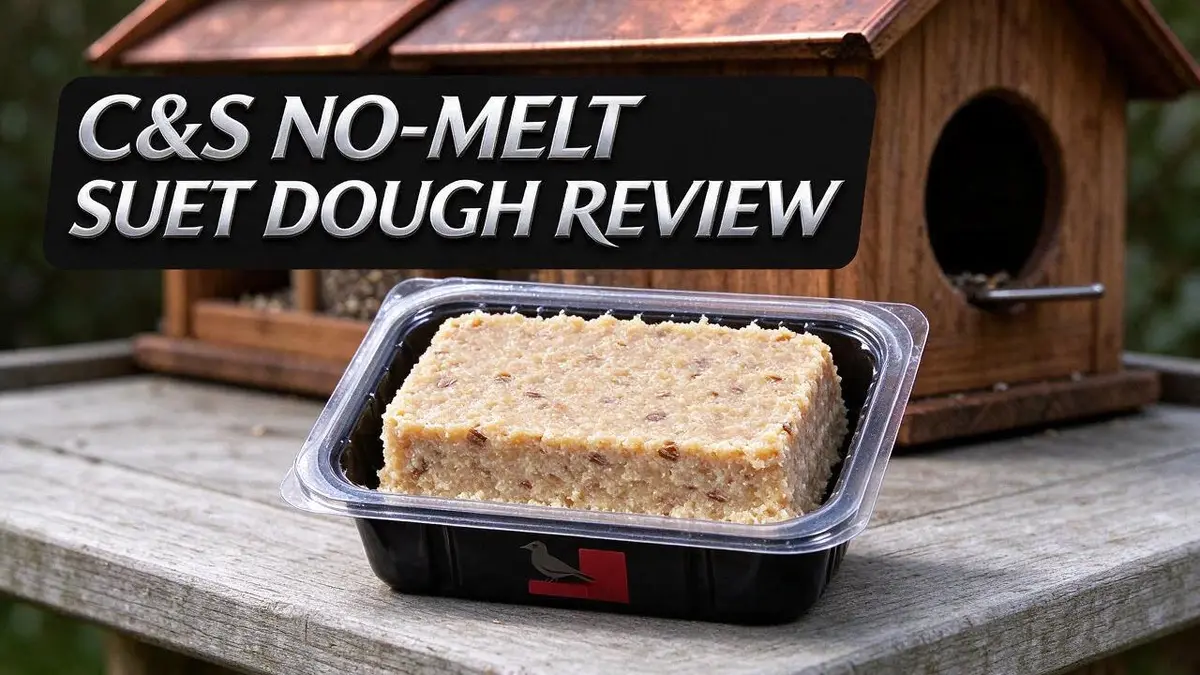
Do you want more woodpeckers and songbirds in your yard? C&S No Melt Suet Dough may help you get there. This soft dough comes pressed into a cake. It fits standard suet cake feeders with ease.
The Peanut Delight version uses corn meal, rendered beef suet, and roasted peanuts. The cake stays solid up to 100°F. Snow and rain do not ruin it either.
Birds seem to love it. Woodpeckers and small songbirds are reported favorites. The formula is also squirrel resistant and made in the USA. We looked closely at the details so you do not have to. Read on to see the pros, the cons, and who should buy it.
In a Nutshell
- Heat ready: The formula stays solid up to 100°F, so you can feed birds all year.
- Weather tough: The cake holds its shape in hot sun, cold snaps, snow, and rain.
- Great for woodpeckers and small songbirds: Reports say these birds really enjoy it. Squirrels find it harder to raid, which helps your seed budget last.
- Easy fit: It works in standard suet cake feeders. You just pop it in and let the birds come.
- Handle with care: Do not reshape the dough. It may crumble if you try. Made in the USA.
- More flavors to try: C&S also offers Hot Pepper Delight, Insect Delight, and Sunflower Delight. One reviewer said birds finished a cake in just days. Another was unhappy with the Sunflower Delight and got a refund. Both are single, unverified reports.
Ingredients and Nutrition Profile

- MADE WITH ROASTED PEANUTS, this no melt suet delivers a concentrated energy boost wild birds need to forage, nest, migrate and more
- APPEALS TO NUT EATING BIRDS; C&S Peanut Butter Delight No Melt Suet Dough attracts wrens, woodpeckers, cardinals, songbirds, jays and more bringing more variety and vibrancy to your feeders

Last update on 2026-11-13 / Affiliate links / Images from Amazon Product Advertising API Some of the links on this website are affiliate links, which means that at no additional cost to you, I earn a commission if you click through and make a purchase. I only recommend products and services that I believe will add value to my readers. Thank you for your support!
Birds burn a lot of energy just staying warm. Fat is the main fuel in this cake. Rendered beef suet gives small birds a dense source of calories when food runs low.
The corn meal adds bulk and carbohydrates. Carbohydrates give birds quick energy for short bursts of flight, such as chasing off a rival at the feeder.
Roasted peanuts bring extra protein and fat. In the Peanut Delight version, they add a nutty flavor that many songbirds readily eat.
The Insect Delight variant adds dehydrated insects to the mix. Those insects supply natural protein, which insect eating birds often seek during busy breeding months.
Check the label for exact numbers. Protein, fat, and fiber levels may vary, so the package panel is the best source.
Ingredients also shape which birds visit. Fat rich blends often draw woodpeckers and nuthatches, so the cake suits those hungry visitors.
One reviewer saw birds clear a cake within days. That report is single and unverified, but it hints at strong appeal in the dense mix.
Feeding in winter needs more energy than feeding in spring. A cake high in fat can help birds keep their body heat during long freezing nights.
Look at the mix as a whole. Corn meal, suet, peanuts, and insects each play a part. Together they create a simple, energy packed meal.
Simple ingredients also make the cake easy to understand. Shoppers can see exactly what goes into the cake, which helps them feel good about their choice.
Mixed feeding works best. Pair this cake with seed or fruit to offer a wider menu for visiting birds. Variety keeps garden visitors coming back all season.
No-Melt Performance in Heat, Cold, and Rain
Weather can make or break a suet feeder. Some cakes sag, drip, or smear when the day gets warm. Watching how a cake handles changing skies tells you a lot.
Summer heat is often the biggest test. Melting fat can turn a feeder into a mess. A firm cake keeps the feeding area clean and easy to manage.
Cold snaps bring a different challenge. Birds need quick energy when nights drop below freezing. A solid cake gives them a reliable meal at dawn.
Rain brings its own set of problems. Wet weather can soak loose feed and wash away crumbs. A cake that stays together gives birds a better chance to eat.
Tip: hang the cake under a cover. A simple roof or hood adds shelter from heavy rain. This step keeps the cake firm longer and reduces waste.
Check the feeder after storms. Look for crumbling, pooled water, or pieces on the ground. Replace the cake if it looks waterlogged or moldy.
Freeze and thaw swings can also affect a cake. Early frost followed by afternoon sun tests every suet product. Watching these shifts helps you judge real performance.
Keep the feeder out of direct sun when possible. A metal pole can warm up and soften the cake faster than the air around it. Shade helps.
Check the feeding routine too. Refill the cake when birds empty it, and keep a steady supply. Regular visits build trust with woodpeckers and songbirds over time.
Bottom line: The no melt design handles most weather well. Still, simple placement choices make the biggest difference for feathered visitors all season long.
Bird Appeal and Species Attracted
Every backyard feeder needs visitors to feel worthwhile. This suet dough appeals to a mix of feeding birds, so your yard can stay lively for longer.
The research points to woodpeckers and small songbirds as the main guests.
Those birds often perch on cake feeders, so the dough fits their natural style.
Think about who may visit when you pick a flavor. The Peanut Delight version may suit birds that enjoy nuts.
The Insect Delight option may appeal to birds that eat insects. Each flavor gives your feeder a slightly different pull.
Watch the feeder for a few weeks. Note which species land and how long they stay. This habit shows you which flavor works best.
Keep expectations realistic. Not every bird will show up right away. Local weather and nearby food sources can change visits too.
Patience helps you learn what your backyard guests like most. Keep a simple notebook near the window. Write down the date, the bird type, and the number of visits.
Shy birds may need a quiet spot. Hang the feeder away from busy doors and loud areas. Calm surroundings can help birds feel safe enough to stay.
Birds also return to places that feel predictable. Refill the feeder on a steady schedule so regulars learn where to find food.
A consistent routine can turn one visit into a daily habit. Small changes often bring the biggest rewards. Over time, your yard may host a steady group of regular guests.
Pair the cake with fresh water nearby. Many birds visit for drinks as well as food, so a shallow dish can boost traffic.
Top 3 Alternatives
If you want a different suet option for your backyard birds, these three picks are worth a look. Each one offers something a little different.
Pine Tree Farms Suet

- Value Pack of 12 Suet Cakes Includes twelve 11 oz. individually wrapped suet cakes, perfect for stocking multiple feeders and keeping your backyard birds well-fed throughout the year.
- Formulated for Woodpeckers Enriched with cracked corn, peanuts, and black oil sunflower seeds—favorites of woodpeckers—this suet blend also appeals to chickadees, nuthatches, jays, sparrows, and more.
Last update on 2026-11-13 / Affiliate links / Images from Amazon Product Advertising API Some of the links on this website are affiliate links, which means that at no additional cost to you, I earn a commission if you click through and make a purchase. I only recommend products and services that I believe will add value to my readers. Thank you for your support!
This suet cake combines suet with seeds. It gives woodpeckers, nuthatches, and chickadees a hearty meal. The blend holds its shape well during warmer months.
Wild Delight Suet

- (3 Pack) Sizzle N' Heat Suet
- A premium hot blend designed for birds only
Last update on 2026-11-13 / Affiliate links / Images from Amazon Product Advertising API Some of the links on this website are affiliate links, which means that at no additional cost to you, I earn a commission if you click through and make a purchase. I only recommend products and services that I believe will add value to my readers. Thank you for your support!
Wild Delight offers a suet blend with insects and nuts. Many bluebirds and wrens visit feeders stocked with this mix. It works well if you want variety in your bird feeding routine.
Kaytee Suet Cake

- A high-energy treat to attract bluebirds, chickadees, woodpeckers and more
- Excellent, high-protein food source for wild birds
Last update on 2026-11-13 / Affiliate links / Images from Amazon Product Advertising API Some of the links on this website are affiliate links, which means that at no additional cost to you, I earn a commission if you click through and make a purchase. I only recommend products and services that I believe will add value to my readers. Thank you for your support!
Kaytee makes a suet cake that many stores carry. It attracts a wide range of common backyard birds. Setup is quick, so it suits beginners. Store unused cakes in a cool, dry place.
Flavor Varieties: Peanut, Insect, Hot Pepper, and Sunflower Delight
Choosing the right flavor starts with your backyard. C&S offers four flavor options for its suet dough. Each option brings a different mix to the feeder, and each keeps the same firm cake shape.
Peanut Delight is a classic starting point. Roasted peanuts add a nutty taste that many songbirds seem to enjoy. Many people start with this flavor because it feels familiar.
Insect Delight works differently. It adds dehydrated insects to the corn meal and suet base. This flavor may appeal to birds that eat bugs in the wild.
Hot Pepper Delight adds a spicy kick to the mix. The research does not name which birds this flavor attracts, so your own feeder will give the best answers.
Sunflower Delight completes the lineup. Seed loving visitors may be drawn to its sunflower flavor.
One reviewer called this flavor a scam and asked for a refund. That report came from a single unverified source. Treat it as one opinion, not a rule. Your results may differ.
Switch flavors one at a time. Offer one flavor for several weeks, then change it. This method shows you which flavor keeps birds coming back. Mixing flavors in one cake makes it hard to tell what worked.
Write down the date and the birds you see. A simple notebook helps you spot patterns over time.
Handle the dough with care. Do not reshape a cake once it has been pressed. Crumbled pieces can waste food and leave a mess under the feeder.
Trying each flavor can feel like a small backyard experiment. Kids often enjoy tracking which bird picks which flavor.
Feeder Compatibility and Handling Tips
Not every feeder fits every cake. Start by measuring the cage or tray before you buy. A cake that is too large can stick out and get knocked around.
Many cage style feeders suit this dough well. The open mesh lets birds grip the cake from many angles. Solid trays also work, but they trap more moisture.
Check the mesh gaps before you fill the feeder. Large gaps let pieces fall out. Small gaps can make it hard for birds to reach the food.
Clean hands keep the dough free from dirt and odors. Handle the cake gently. Gloves work well if you want extra care.
Set the feeder on a stable hook. A wobbling feeder can scatter crumbs and drive away nervous visitors. Use a sturdy grip, because heavy cakes can slide if the hook is loose.
Keep a small brush nearby. Sweep away crumbs from the tray before they pile up. A clean feeder also helps you spot mold early. Early signs are easy to miss on a dusty tray.
Clean the feeder tray once a week with warm water. Dry it fully before adding fresh dough.
Store extra cakes in a sealed bag in a cool, dry place. Keep them away from pests and sunlight. This keeps the dough fresh until you need it.
Hang a second feeder if the first one stays busy. Two spots spread the birds out. This also lowers fights at one perch.
Think about the perch too. A nearby branch gives birds a place to rest. Keep the feeder away from dense bushes where cats can hide.
Value, Cake Size, and How Long It Lasts
The cake size you choose shapes how often you refill. The research lists 11.75 oz for Peanut Delight and also lists a 0.73 lb size. Both numbers give you a clear starting point.
Think about your yard before you choose. A busy feeder with several woodpeckers may empty a cake fast. A quieter spot may stretch one cake across more days.
One reviewer reported birds finishing a cake in just a few days. That report comes from a single unverified source. Treat it as a hint, not a promise.
Winter brings a different need. Birds burn more energy when temperatures drop, so a full cake may disappear sooner. Plan a bigger supply before the cold months arrive.
Weather also affects how long a cake lasts. The dough stays solid up to 100°F and keeps its shape in snow and rain. That steady form helps it last through many seasons outside.
Use a calendar reminder for refills. Set one alert every week or so. This simple habit stops the feeder from sitting empty for days.
Keep at least one spare cake on hand for busy weeks. Running out during a cold snap can disappoint your visitors. A spare gives you flexibility when plans change.
Consider your schedule too. If you travel or work long days, choose a size you can refill with ease. A manageable supply keeps the routine steady.
Finally, remember that no product lasts forever. Birds, weather, and feeder choice all shape the final result. Your own observations will give you the best answer.
Pros and Cons
Pros
- Stays solid up to 100°F, so it works all year.
- Made in the USA for shoppers who prefer domestic products.
- Squirrel resistant, which helps keep the cake for your birds.
- Woodpeckers and small songbirds often favor this dough.
- Corn meal, beef suet, and peanuts form a simple base.
Cons
- Few third-party reviews exist to compare against.
- The reviews found are single and unverified.
- Insect Delight contains dehydrated insects, which some birds may skip.
- No rival brands are named for direct comparison.
Who Should Buy It
This dough fits backyard bird lovers who want a simple feeding routine. It suits people who are just starting out. Few steps stand between the bag and the birds.
Families with children often enjoy this product. Kids can help hang a cake and then check the yard together. Shared outdoor moments build patience and curiosity.
People who dislike messy feeders may appreciate a firm cake. It keeps its form on the feeder. Less crumbling means less cleanup for busy hands.
Apartment dwellers with a sunny window or small railing can still join in. Choose a small cake and a compact feeder. Watching from indoors brings nature closer to home.
Shoppers who like variety may enjoy trying different recipes. Each flavor offers a new menu for visiting birds. Try a few and see which one fits your yard best.
Gardeners who enjoy seeing wildlife near their beds may find this useful. Watching feathered visitors can make weeding breaks feel calmer. Many neighbors notice the new visitors too.
Photographers and sketch artists may also find this dough helpful. A reliable feeding spot gives them a predictable place to wait. Patience pays off when the right bird finally lands.
Not everyone needs this dough, though. Shoppers who want a fully natural mix may prefer other options. Read the ingredient list and decide what fits your goals.
Overall, this dough suits people who want a clear and steady start. It fits anyone who wants few surprises at the feeder. Enjoy the simple pleasure of a busy, cheerful yard.
Final Verdict
C&S No Melt Suet Dough earns a solid recommendation from us. It does its main job well. It gives birds a steady, clean food source in a simple cake form.
The best part is its reliability. The cake keeps its shape in snow and rain. You do not need to rush outside after every storm.
The cake also fits standard suet cake feeders. You press it in, hang it up, and walk away. That ease helps on busy mornings.
The main caution is handling. Do not reshape the dough. It may crumble if you squeeze or break it. Place the cake in the feeder as it comes.
Flavor choice matters too. Peanut Delight is the safest first pick for most yards. Hot Pepper Delight and Sunflower Delight give you other options once you learn what your birds like.
Buyer feedback is thin. One reviewer called the Sunflower Delight product a “scam” and received a refund. That is one unverified comment, so we treat it as a small warning and not a final judgment.
Check your order when it arrives. Contact the seller quickly if anything looks wrong.
Our score is a confident yes with small caveats. The product delivers what it promises, and the weak points are easy to manage.
Buy it if you want a dependable suet cake for your feeder. Start with one cake and watch which birds visit. Then adjust your next order based on what you see.
Skip it only if you want to shape your own food or need proof from many reviews first.
Frequently Asked Questions
What sizes does the C&S No Melt Suet Dough come in?
The listing shows an 11.75 oz size for Peanut Delight. A 0.73 lb size is also listed, so check the label to confirm which one you want before you order.
Which flavor should I try first?
Choose Peanut Delight if you want a simple base with roasted peanuts. Pick Insect Delight if you want to attract insect eating birds, since it contains dehydrated insects. The research also names Hot Pepper Delight and Sunflower Delight as other options.
Will the cake fit a tray or platform feeder?
The research does not list the cake dimensions or say whether it fits tray style feeders. Measure your feeder before you order. A quick measurement can save you from a poor fit.
Can I mix this dough with other bird food?
The research does not cover mixing. Offer the cake on its own at first. Watch which birds visit, then add seed or fruit later if you want more variety at your feeder.

Hello, I’m Amelia White, the founder of birdsfanatic.com. As a lifelong bird enthusiast and spiritual seeker, I’ve always been fascinated by the mystical connections between birds and the human experience. On this site, I share my knowledge and insights into the symbolic meanings and spiritual significance of various bird species, exploring their roles in mythology, folklore, and cultural traditions. Join me on this journey into the world of birds, where we’ll discover the hidden wisdom and guidance that these magnificent creatures have to offer.