
Tennessee Local Backyard Bird Guide
As a bird lover in Tennessee, knowing about local bird species can enhance your enjoyment. This guide offers clear information on seasonal bird activity, common species, and ways to attract them to your backyard.
Tennessee's birds face challenges like habitat loss and climate change. By understanding these issues, you can take steps in your backyard that help support Tennessee's bird population.
Learn about the birds you can see, when to expect them, and how to create a welcoming environment for them. Simple actions can make a real difference in ensuring the survival of these beautiful creatures.
Key Takeaways
- Common backyard birds in Tennessee include Northern Cardinals, American Goldfinches, and Blue Jays, easily attracted with proper feeding setups.
- Use a variety of bird feeders filled with seeds like black oil sunflower and nyjer to attract diverse species.
- Plant native plants in your yard to provide essential food and shelter for local birds while promoting biodiversity.
- Ensure a clean environment by regularly maintaining feeders and providing fresh water sources for drinking and bathing.
- Be aware of challenges such as habitat loss and climate change, which affect local bird populations and their behaviors.
Overview of Tennessee's Birding Seasons

Tennessee offers exciting birding seasons throughout the year. Each season brings different bird species to observe.
In spring, many birds return to nest and breed. You can see colorful songbirds and raptors soaring in the sky.
Summer brings heat, causing some birds to hide while others display their territories.
In fall, another migration begins. Many waterfowl travel south to find winter spots in Tennessee.
Winter provides chances to spot tough species that can survive the cold.
These seasonal changes create a special connection to Tennessee's birdlife. Enjoy observing the unique birds each season brings.
Common Backyard Birds in Tennessee
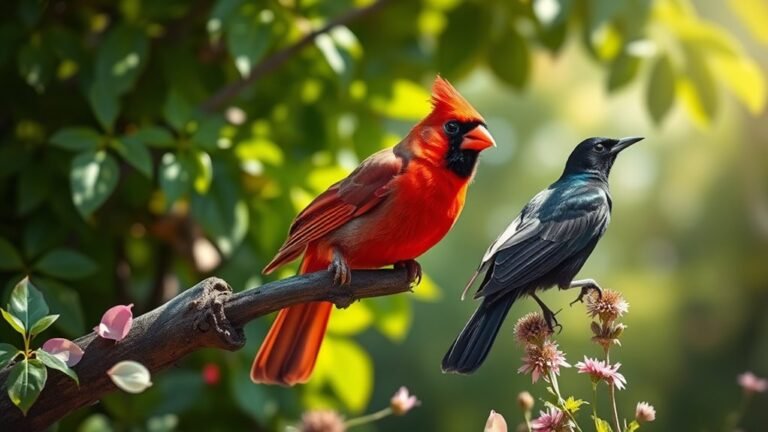
As you explore your backyard in Tennessee, you may see many common birds that brighten the area. Birds like the Northern Cardinal, American Goldfinch, and Blue Jay often visit. Each bird has its own vibrant colors and distinct calls.
These species live well in different backyard settings, such as gardens and wooded spots, and they adapt easily to bird feeders. Watching how these birds behave can increase your appreciation for local wildlife.
You might see cardinals searching for food in thick shrubs or goldfinches eating sunflower seeds. By creating a friendly space for these birds, you can attract them and improve your backyard experience.
This helps you connect with nature right outside your home. Enjoy watching these birds; it's a delightful part of life in Tennessee.
Attracting Birds With Feeders

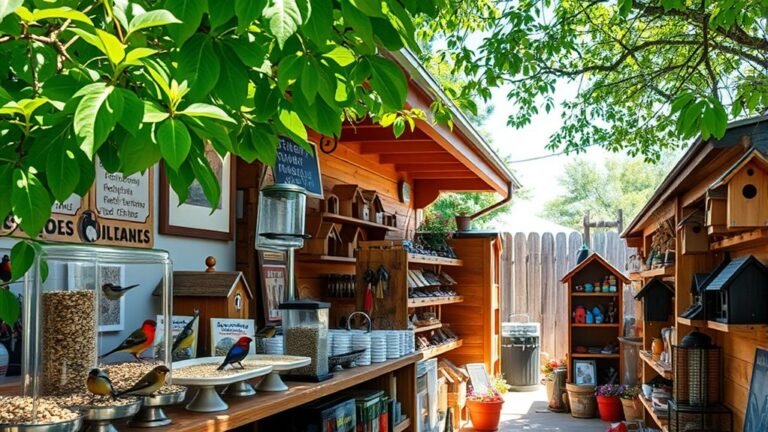
To improve your backyard birdwatching, use feeders to attract different bird species. First, place your feeders near trees or shrubs. This gives birds a safe space from predators and makes it welcoming.
Next, choose the right seeds. Different birds like different seeds. Black oil sunflower seeds attract many species, while nyjer seeds are popular with finches.
Keep your feeders clean to avoid disease. Feed the birds regularly to encourage them to return.
The Importance of Native Plants
Using native plants in your backyard helps support local birds. Selecting plants that grow well in your area boosts ecological balance and provides essential resources for wildlife.
Here are the key benefits of native plants:
- Food Sources: Native plants produce seeds, fruits, and nectar that attract birds.
- Shelter: Dense leaves and branches offer safe nesting spaces for birds.
- Biodiversity: Native plants encourage various insects, which are crucial for birds' diets.
- Low Maintenance: Native plants suit local conditions, requiring less water and fewer pesticides.
Bird Baths: A Source of Water

Providing water in your backyard is essential for attracting birds. Bird baths are a great way to offer this resource. They give birds a place to drink and bathe, which supports their health.
When selecting a bird bath, choose one with shallow areas for small birds and textured surfaces for better grip. Change the water regularly to prevent stagnation and algae, which can keep birds away.
Nesting Habits of Tennessee Birds
Tennessee birds have specific nesting habits that reflect their environments. Understanding these habits can enhance your enjoyment of birdwatching. Here are some key points:
- Nesting locations: Birds often build nests in trees or shrubs for safety and easy access.
- Nesting materials: They choose items like twigs and grass to create nests that are safe and warm.
- Nesting seasons: Most birds breed in spring to take advantage of plentiful food.
- Fledgling care: Parent birds protect and teach their young survival skills after they leave the nest.
Observing these behaviors can deepen your appreciation for the diverse bird life in Tennessee.
Understanding Bird Behavior
To appreciate Tennessee birds, you need to understand their behavior, which is influenced by instincts and their surroundings. Observing their actions can give you a glimpse into their daily lives.
Most birds are active during the day, so early mornings are ideal for watching. Their eating habits are also informative; some birds eat seeds, while others prefer insects or nectar.
Bird Watching Equipment for Beginners
To enjoy bird watching in Tennessee, you need a few basic pieces of equipment.
These items will help you connect with the birds you see:
- Binoculars: Look for binoculars with 8x to 10x magnification. This range gives you a clear view while allowing you to see a wide area.
- Field Guide: Get a bird field guide specific to your area. This book will help you identify different bird species and learn about their behaviors.
- Camera: Use a camera with a good zoom lens to capture your favorite moments. Make sure it has stabilization features for sharp images.
- Notebook: Keep a notebook to write down your sightings. This practice will help you engage with the birds more deeply.
With these essential tools, you'll enhance your bird watching experience in Tennessee.
Enjoy the beautiful sights and sounds of nature!
Identifying Birds by Song
Birdsong offers a special way to identify birds while watching in Tennessee. Focus on recognizing bird songs to enhance your experience. Each bird species has unique calls and melodies. These sounds can help you locate them even if they aren't visible.
Start by listening carefully. Pay attention to the pitch, rhythm, and length of the songs. Use apps or sound catalogs to practice identifying different songs.
Regular practice will help you recognize birds by their sounds over time. Enjoy this auditory journey; it connects you to Tennessee's lively bird community.
Challenges Facing Tennessee Birds
Tennessee birds face serious challenges that threaten their populations. Understanding these challenges is important for their survival. Here are four main issues:
- Habitat Loss: Urban growth and farming have destroyed natural habitats. Birds struggle to find safe places to nest and find food.
- Climate Change: Changes in weather affect migration and breeding. This impacts the availability of food for birds.
- Invasive Species: Non-native plants and animals take resources away from local birds. This affects the balance of nature.
- Human Interference: Pollution and domestic cats harm bird populations. These factors add stress to birds that are already in danger.
By recognizing these issues, we can work toward protecting Tennessee's birds and their habitats.
It's crucial for both nature and future generations.
Conservation Efforts in the Region
Tennessee's bird populations face many threats, but conservation efforts are making a real impact. Local organizations work on restoring habitats for birds. They reclaim and improve areas that provide shelter and food.
You can join community initiatives to help. Volunteer programs bring people together to plant native trees, remove invasive plants, and create spaces that support birds in both cities and rural areas.
Workshops educate residents about local bird species and their needs.
Participating in these efforts helps build strong connections between communities and birds. Together, we can create a healthier environment for both wildlife and people.
How to Keep Your Backyard Bird-Friendly
Creating a bird-friendly backyard is simple and rewarding. Here are some effective steps to make your outdoor space inviting for birds:
- Native Plants: Choose plants that grow naturally in your area. They provide food and shelter for birds throughout the year.
- Water Sources: Add a birdbath or a small pond to offer birds clean water for drinking and bathing.
- Avoid Chemicals: Use organic gardening methods. This ensures that no harmful pesticides or herbicides affect the birds and their food sources.
- Safe Nesting Areas: Create safe places for birds to nest by leaving some areas untouched or by putting up nesting boxes.
By following these steps, you can easily attract a variety of birds to your backyard, enriching your outdoor experience.
Enjoy watching them thrive!
Frequently Asked Questions
What Are the Best Times to Observe Birds in Tennessee?
To observe birds in Tennessee, visit during the early morning and late evening. Mornings are ideal for watching birds as they feed actively. Evenings offer a calm atmosphere, making it easier to see various species. These times provide the best opportunities to enjoy birds in their natural settings.
How Can I Differentiate Between Male and Female Birds?
To tell apart male and female birds, look at their colors. Males usually have bright and vibrant colors. This helps them attract females. Females often have duller, muted colors. These colors help them hide while nesting. By observing these differences, you can easily identify male and female birds.
Are There Any Specific Birds to Spot During Winter Months?
During winter birdwatching, look for common birds such as cardinals, juncos, and sparrows. Use feeders to attract these birds and watch their behavior closely. It can be enjoyable and helps you connect with nature during the colder months. Observing these species can bring joy and warmth to your winter days.
What Do I Do if I Find an Injured Bird?
If you find an injured bird, follow these steps:
- Stay calm and assess the bird's condition.
- Provide first aid if you can do so safely.
- Search for local wildlife rehabilitation resources to get expert help.
- Ensure the bird is safe and comfortable until help arrives.
Taking care of injured wildlife is important for our community and the environment. Your actions can help the bird and show your support for nature.
Can I Attract Rare Birds to My Backyard?
Yes, you can attract rare birds to your backyard. Place bird feeders and nesting boxes in strategic locations. Use their preferred foods. Provide safe and sheltered spaces for them. These actions can encourage unique bird species to visit and thrive in your yard. Enjoy watching the beauty of these rare birds as they come to explore!

Hello, I’m Amelia White, the founder of birdsfanatic.com. As a lifelong bird enthusiast and spiritual seeker, I’ve always been fascinated by the mystical connections between birds and the human experience. On this site, I share my knowledge and insights into the symbolic meanings and spiritual significance of various bird species, exploring their roles in mythology, folklore, and cultural traditions. Join me on this journey into the world of birds, where we’ll discover the hidden wisdom and guidance that these magnificent creatures have to offer.