
Ways to Stop Birds From Running Into Windows
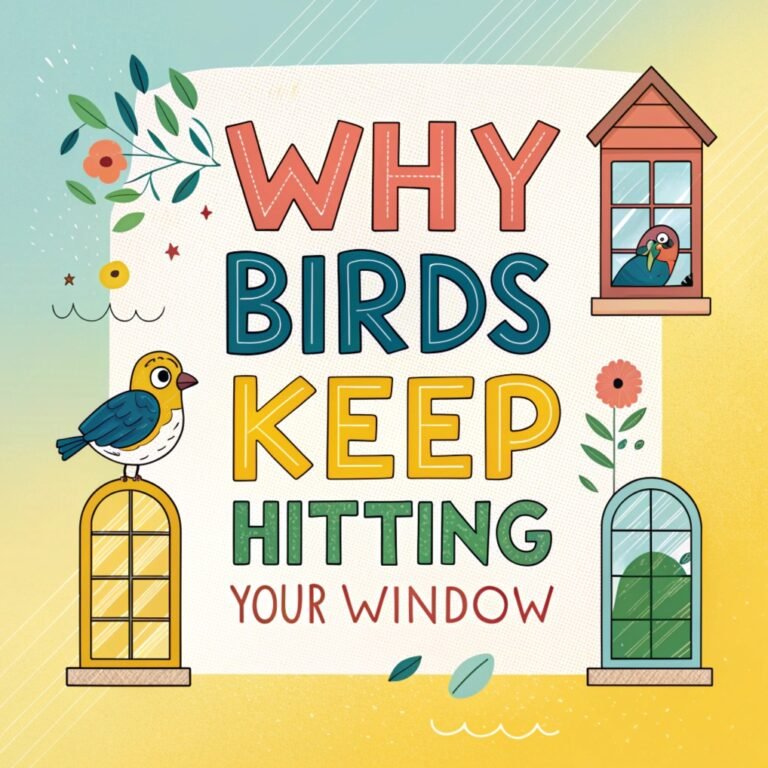
If you worry about birds flying into your windows, there are several solutions to help. Window films or decals can improve visibility without changing the look of your home. Installing screens or netting can act as a barrier to keep birds safe. Reflective objects may distract birds and prevent collisions. You can also use bird tape or shutters to reduce risks. Each option offers benefits, and knowing these choices can lead to safer environments for birds. Let's dive into these methods.
Key Takeaways
- Use window films or decals that create reflective surfaces, alerting birds to the presence of glass.
- Install screens or netting a few inches from the window to form a barrier and reduce collisions.
- Hang shiny objects like metallic streamers or old CDs to distract birds and prevent them from flying into glass.
- Apply bird tape in bright colors or patterns on windows to increase visibility and minimize accidents.
- Utilize window shutters or blinds to reduce reflections and provide an effective barrier when closed.
Use Window Films or Decals

Window films and decals help prevent birds from hitting glass surfaces. Applying these products to your windows can increase bird safety and improve window design.
The reflective surfaces and patterns alert birds to their presence. This is especially important in urban areas with many glass buildings. You can choose various designs that match your style and still protect birds.
Install Screens or Netting
If you want to improve bird safety around your home, install screens or netting.
These materials create a barrier that helps prevent birds from colliding with your windows. The mesh allows birds to see the screens, reducing accidents and fatalities.
Use high-quality netting or screens made for bird protection to ensure they last through various weather conditions.
Place them a few inches away from the window to create a space that buffers impacts. This setup enhances safety and adds an attractive feature to your home, creating a friendly environment for both you and the birds.
Hang Reflective Objects

Hanging reflective objects near your windows can help reduce bird collisions. Shiny decorations create a visual distraction, alerting birds to the presence of your window. Use items like metallic streamers, old CDs, or reflective tape. Their glossy surfaces catch sunlight, making the area less inviting for birds, encouraging them to fly away.
Adding noise deterrents, such as bells or wind chimes, can enhance the effect. The sounds can confuse birds and warn them about nearby obstacles.
Apply Bird Tape
Applying bird tape helps reduce bird collisions with glass surfaces. This tape increases visibility for birds, making it less likely for them to hit the window.
To use bird tape effectively, follow these simple steps: place it in a grid pattern or evenly spaced lines. The bright colors and patterns help birds see the barrier clearly.
Using bird tape can be both functional and stylish. Many options come with decorative designs, so you can maintain the appearance of your home while promoting bird safety.
This small effort contributes to wildlife conservation and creates a safer space for birds.
Utilize Window Shutters or Blinds

Using window shutters or blinds can effectively prevent birds from hitting glass surfaces.
Shutters add style to your home while creating a barrier that keeps birds away from windows. When closed, they reduce light reflection, making glass harder for birds to see.
Blinds offer flexibility; you can adjust their position to control reflections and let light in. These features improve bird safety and enhance the appeal of your space.
This practical approach creates a friendly environment for both you and the birds nearby.
Incorporate Plant Barriers
Adding plant barriers can help prevent bird collisions with windows. To do this, plant dense shrubs or tall plants near your home.
Choose native plants because they grow well in your area and support local wildlife. Make sure the plants are tall enough to block birds' flight paths. This will keep them away from windows.
A mix of taller plants and low ground cover creates a good barrier and helps birds fly safely. Place these plants three to ten feet from your windows for the best results.
Opt for Bird-Friendly Glass
Bird-friendly glass is an effective way to reduce bird collisions with windows.
Using bird-safe materials can improve your home's design and support wildlife protection. This type of glass has patterns or coatings that birds can see but are less noticeable to people. By selecting bird-friendly glass, you help create a safer environment for birds while keeping the look of your home intact.
Consider options like fritted or etched designs. These features make the glass more recognizable to birds.
Choosing this protective glass shows your commitment to nature and community. Together, we can create safer spaces for birds while enhancing our living areas.
Frequently Asked Questions
Do Certain Bird Species Collide With Windows More Than Others?
Some bird species collide with windows more often than others. Research shows that sparrows are known to have frequent collisions. In contrast, thrushes tend to avoid reflective surfaces, leading to fewer crashes. This indicates that different bird species have varying rates of window collisions.
Will Weather Conditions Affect Birds' Ability to See Windows?
Weather conditions affect bird visibility. In low light or during bad weather, birds have difficulty seeing windows. A detailed analysis of weather impacts helps us understand how these conditions can increase collision risks for specific bird species.
How Can I Train My Pets Not to Scare Birds Near Windows?
To train your pets not to scare birds near windows, use positive reinforcement techniques. Reward your pets for calm behavior when birds are present. Gradually expose them to birds outside, helping them become accustomed to seeing them without reacting. This method promotes better behavior and encourages peaceful living alongside wildlife.
Are There Specific Colors Birds See Better Than Others?
Birds see colors in ways that humans cannot. Their color vision includes the ultraviolet spectrum, giving them a broader range of colors. This means that birds respond well to colors like blue and yellow. You can use these colors to attract or repel birds, depending on what you want to achieve. Enjoy experimenting with colors to see how birds react!
Do Sound Deterrents Work to Prevent Bird-Window Collisions?
Sound deterrents can help stop bird-window collisions. They use specific sound frequencies to influence birds. Ultrasonic deterrents, which humans cannot hear, may confuse birds. This confusion can lower their chances of flying into reflective surfaces. Consider these options carefully for effective bird protection.

Hello, I’m Amelia White, the founder of birdsfanatic.com. As a lifelong bird enthusiast and spiritual seeker, I’ve always been fascinated by the mystical connections between birds and the human experience. On this site, I share my knowledge and insights into the symbolic meanings and spiritual significance of various bird species, exploring their roles in mythology, folklore, and cultural traditions. Join me on this journey into the world of birds, where we’ll discover the hidden wisdom and guidance that these magnificent creatures have to offer.