De-Bird Garden Netting Review 2026: Does It Really Protect Your Harvest?
Does your garden feel like a buffet for hungry birds? You are not alone. Many gardeners face this same frustrating problem every season.
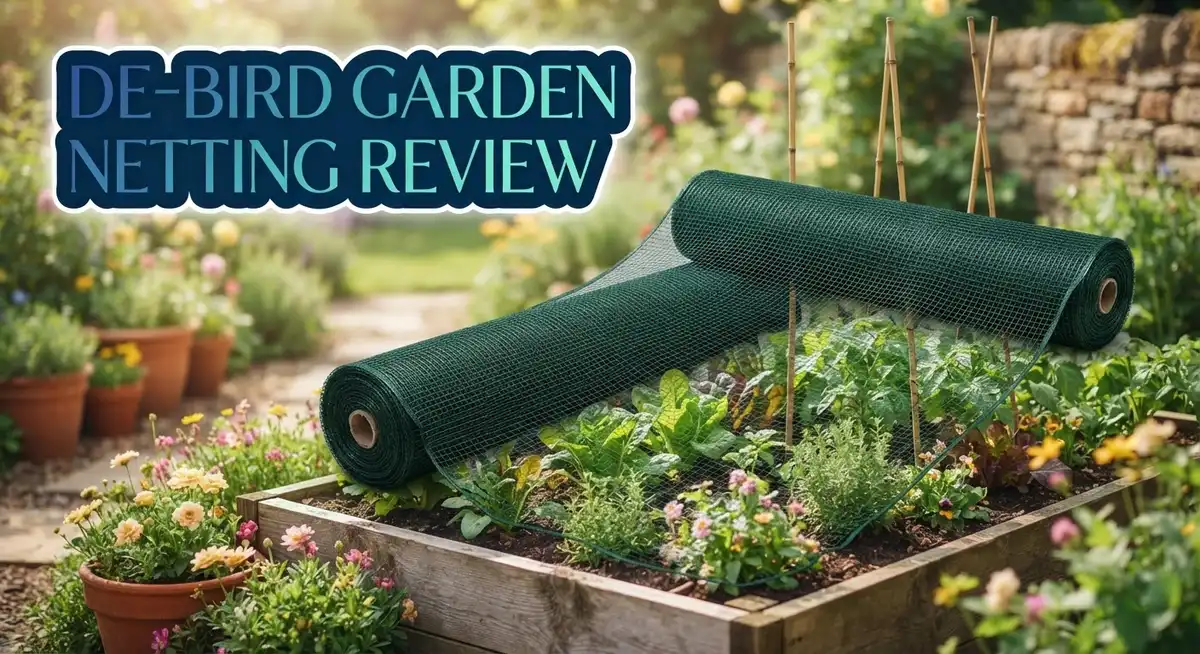
De-Bird Garden Netting promises a simple fix. It claims to protect your plants, fruit trees, and vegetables from bird damage. The mesh is reusable and simple to install with stakes.
This review digs into the real facts. We will look at what works well and what does not. You will learn about the pros, the cons, and how this netting compares to other options.
In a Nutshell
- Size and build: This netting covers 7.5ft × 65ft. It uses heavy duty mesh made from plastic fiber. You can reuse it season after season.
- Garden protection: It shields plants, fruit trees, and vegetables from hungry birds. Stakes make setup simple for most gardeners.
- Safety concerns: The brand claims it is safe for birds and small animals. However, some users report birds getting trapped or hurt anyway.
- Maintenance needs: You must remove the netting often during harvest time. This adds extra work to your gardening routine.
- Mixed results: Some gardeners praise the coverage. Others say birds dig underneath it or get stuck in the mesh.
- Bottom line: This netting works well for some gardens but carries real risks for backyard birds. Weigh these points before you decide.
Material and Build Quality
De-Bird Garden Netting uses heavy-duty plastic and fiber mesh as its core material. This construction makes it strong enough to handle outdoor weather and repeated use. The netting comes in a standard 7.5ft × 65ft roll, giving you plenty of coverage for most garden setups.
The mesh design is reusable, which means you can install and remove it multiple times without major wear. Many gardeners appreciate this feature because it reduces waste. The plastic fibers resist UV damage and moisture, so the netting lasts through several seasons when stored properly.
The installation relies on simple stakes that anchor the netting to the ground. You push these stakes through the mesh and into soil. This method works quickly for most people, though the process does take time if your garden is large.
One important detail: the mesh holes are small enough to block most birds. However, this same feature creates a potential problem. Birds can become tangled or trapped in the netting if it sags or has loose edges. Despite manufacturer claims about safety, some users report finding injured birds caught in the material.
The build quality feels sturdy when you handle it. The plastic does not tear easily, and the mesh maintains its shape after multiple uses. However, durability depends on proper installation and maintenance. Loose edges or sagging sections wear faster and create hazards.
The material also requires frequent removal during harvest season. Pulling the netting up and down repeatedly can stress the fibers over time. If you have a large garden with many harvests, this labor-intensive process becomes a real drawback.
Some gardeners find the material stiff and difficult to handle, especially in cold weather. Warm temperatures make it more flexible and easier to work with. Storage matters too. Rolled netting stored in direct sunlight degrades faster than netting kept in shade.
Overall, the material itself performs well for basic bird protection. The build quality supports its reusable claim. Your success depends on how carefully you install it and how often you monitor it for damage or trapped wildlife.

- Size Detail: The anti-bird netting measures approx. 4 m x 10 m/ 13 ft x 33 ft, and the mesh grid measures 0.59 in x 0.59 in, suitable size for rain and sunshine to pass normally, the cable tie measures approx. 4.5 in, the plastic tack measures approx. 4.5 in
- Premium Bird Netting: The bird netting is made of premium nylon material, strong and sturdy, high elasticity not easy to tear. It's tough enough to withstand the effects of the sun and bad weather conditions
Last update on 2026-10-19 / Affiliate links / Images from Amazon Product Advertising API Some of the links on this website are affiliate links, which means that at no additional cost to you, I earn a commission if you click through and make a purchase. I only recommend products and services that I believe will add value to my readers. Thank you for your support!
Coverage and Sizing for Different Gardens
De-Bird Garden Netting comes in a standard 7.5ft × 65ft size. This dimension works well for most home gardens. The rectangular format lets you cover long garden rows or wrap around fruit trees with ease.
Garden size matters when choosing netting. Small vegetable patches need less coverage than sprawling orchards. The 65ft length gives you flexibility. You can use the full sheet or cut it into smaller sections. Many gardeners split one roll across multiple garden areas.
For compact gardens under 500 square feet, this single roll provides enough material. You may even have extra netting left over for future repairs or smaller plots. Larger gardens spanning 1000+ square feet might require two rolls to achieve complete protection.
Fruit trees present unique sizing challenges. You need to drape the netting carefully over branches without damaging limbs. The 7.5ft height works for standard dwarf and semi-dwarf trees. Taller trees may need creative stacking or layering techniques.
Vegetable gardens benefit from the standard dimensions. You can create a simple frame using stakes and the netting as a tent cover. Row gardens stay protected when you stretch the material lengthwise along planted sections.
The netting’s width of 7.5 feet covers most standard garden beds. If your beds run wider, you can overlap two pieces. This overlapping method requires extra stakes but ensures no gaps remain.
Installation stakes anchor everything in place. Proper spacing prevents birds from sneaking underneath. Most gardeners space stakes every 2 to 3 feet along the perimeter. The stakes hold the netting taut against wind and animal pressure.
Harvesting requires temporary removal in many cases. You must lift or roll back the netting to access ripe fruits and vegetables. This frequent movement means you need sturdy, reusable material that withstands repeated handling.
Consider your garden layout before purchasing. Measure your beds, count your trees, and plan your netting placement. The standard 7.5ft × 65ft size fits most situations, but irregular garden shapes may need custom cutting and piecing together.
Installation and Setup Process
Installing De-Bird Garden Netting requires a straightforward approach. Start by laying out the entire roll across your garden area. Unroll the netting slowly to avoid tangles and bunching.
Position the netting so it drapes over your plants or trees. Make sure the mesh sits loosely enough that it won’t damage delicate branches or leaves as you secure it. Avoid pulling the netting too tight, as this restricts plant growth and creates stress points.
Use the included stakes to anchor the netting firmly to the ground. Drive stakes through the mesh edges at regular intervals, typically every 2 to 3 feet along the perimeter. This prevents birds from sliding underneath or lifting the netting from the sides. Push stakes deep into soil to ensure they hold strong during wind or heavy rain.
For vegetable gardens, drape the netting directly over beds or use support structures like hoops or frames. This method keeps the mesh elevated above your crops while maintaining complete coverage. Secure all edges and corners carefully to eliminate gaps where birds might enter.
When covering fruit trees, work methodically from the bottom up. Wrap the netting around the tree canopy and tie it off at the base with twine or clips. Ensure no loose sections hang where birds could become trapped or tangled.
Remove the netting during harvest time to access your plants easily. This frequent removal and reinstallation requires patience, but it prevents damage to your produce and reduces bird entrapment risks. Roll the netting carefully when storing to extend its lifespan.
Check the installation after setup by walking around your garden. Look for any gaps, loose areas, or places where the mesh sags too low. Make adjustments before leaving the netting unattended for extended periods.
Proper installation takes time but pays off with consistent bird protection throughout the growing season. Take care during setup to avoid future problems with your plants or visiting wildlife.
Top 3 Alternatives
Agfabric Bird Netting

- 84"H x 72"W, white, made of high quality UV resistant mesh fabric, PE material
- Ideal for protecting plants from insects, pests, birds and many other animals
Last update on 2026-10-19 / Affiliate links / Images from Amazon Product Advertising API Some of the links on this website are affiliate links, which means that at no additional cost to you, I earn a commission if you click through and make a purchase. I only recommend products and services that I believe will add value to my readers. Thank you for your support!
Agfabric Bird Netting offers a lightweight solution for protecting your garden from unwanted birds. The material feels soft to touch yet provides strong protection for your fruits, vegetables, and plants. You can easily drape it over garden beds, trees, and shrubs without causing damage.
This netting features a fine mesh that keeps birds out while still allowing water and sunlight to reach your plants. Installation takes just minutes. You can secure it with stakes, clips, or garden pins around the perimeter. The netting is reusable, so you get multiple seasons of use from a single purchase.
Gardman Garden Netting

- Size: Deer netting size 7 feet x 100 feet; garden netting mesh size 3/4"; color: black; Easy to use accessories included: 10pcs installation nails & 50pcs cable ties
- Strong & Reusable: Tough deer fence barrier netting is made from high quality polypropylene(PP), lightweight yet heavy duty, It won’t tear easily, rust or rot like metal or wood, doesn't tangle and reusable for longer protection; Can also used as bird netting, chicken netting, rabbit fence, pond & pool netting

Last update on 2026-09-13 / Affiliate links / Images from Amazon Product Advertising API Some of the links on this website are affiliate links, which means that at no additional cost to you, I earn a commission if you click through and make a purchase. I only recommend products and services that I believe will add value to my readers. Thank you for your support!
Gardman Garden Netting delivers professional-grade protection in a user-friendly package. The mesh size is specifically designed to exclude birds while maintaining airflow throughout your garden space. This product works well on both small herb gardens and larger vegetable patches.
The netting material resists tearing and holds up against weather conditions. You can cut it to fit any shape or size you need. Gardman’s design prevents birds from becoming tangled, which makes cleanup easier and safer for wildlife. The black color blends naturally into garden surroundings.
Dewitt Tree Netting

- Deer fence netting
- It is made with 3/4-inch square mesh polypropylene that is UV treated for longer lasting durability
Last update on 2026-10-19 / Affiliate links / Images from Amazon Product Advertising API Some of the links on this website are affiliate links, which means that at no additional cost to you, I earn a commission if you click through and make a purchase. I only recommend products and services that I believe will add value to my readers. Thank you for your support!
Dewitt Tree Netting specializes in protecting fruit trees and ornamental plants from bird damage. The sturdy construction withstands wind and weather throughout the growing season. This netting works particularly well for cherry trees, blueberries, and other bird-attractive plants.
The material allows complete light penetration and rain drainage. You can leave it in place for extended periods without harming your trees. Dewitt’s design makes removal simple when harvest season ends. The netting resists UV damage, keeping your plants protected season after season.
Effectiveness at Deterring Birds
De-Bird Garden Netting works by creating a physical barrier between your plants and flying visitors. The small mesh holes stop most birds from reaching your fruits and vegetables while allowing sunlight and water to pass through.
The netting performs best when installed correctly and maintained throughout the growing season. Birds cannot peck through the material, which protects your harvest from damage. Many gardeners report success keeping birds away from berry bushes, vegetable patches, and young fruit trees.
However, effectiveness depends on proper installation. If gaps exist around the edges or underneath the netting, birds find their way in. You must secure all corners and edges firmly with stakes to prevent access points.
One significant concern involves bird safety. Despite manufacturer claims about non-harm, birds can become trapped in the mesh if they land on it or attempt to squeeze through. This risk increases with smaller bird species that might get caught in the material. Regular monitoring helps catch trapped birds quickly.
The netting requires frequent removal during harvest season, which disrupts its protective function. Each time you remove and reinstall it, you create opportunities for birds to access your plants. This cycle continues throughout the growing season, making maintenance labor intensive.
Ground level protection matters too. Birds sometimes dig or scratch underneath the netting to reach seeds and plants. You must bury edges several inches into soil or use additional barriers to prevent this behavior.
User satisfaction varies widely across gardener communities. Some report excellent results with minimal bird damage. Others experience ongoing issues despite proper installation. Success often depends on your specific bird species, garden location, and how consistently you maintain the netting.
De-Bird Garden Netting offers real protection when used correctly, but it demands attention and effort. The material itself holds up well through multiple seasons. The real challenge lies in installation precision and ongoing maintenance rather than the netting’s physical quality. Combining this netting with other deterrent methods often produces better results than using it alone.
Safety for Wildlife and Pets
De-Bird Garden Netting poses important questions about protecting wildlife while defending your garden. Understanding the safety implications helps you make an informed decision.
Birds face real risks when netting is installed incorrectly or left unattended. Small birds can become trapped in the mesh while trying to reach food or escape. Their feet, beaks, and wings get caught easily. Once entangled, they struggle and injure themselves. Even with careful installation, curious birds may dig underneath or fly into the netting repeatedly.
The manufacturer claims the netting is non-harmful to birds and small animals. However, user reports tell a different story. Many gardeners discover trapped birds during their garden checks. Prevention requires constant vigilance and quick removal of any caught animals.
Your pets also need consideration. Dogs and cats may get tangled in loose netting edges. Small dogs can chew through the material and swallow pieces. Cats may become frustrated trying to hunt through the barrier. Secure installation with proper anchoring reduces these risks significantly.
Best practices minimize safety concerns. Keep the netting taut and well secured to the ground. Remove it immediately if you find any trapped animals. Check your garden daily during netting season. Consider removing the netting at dusk when birds are less active and more vulnerable.
Alternative approaches exist if safety worries concern you. Aluminum screening offers physical protection without entanglement risks. Tulle fabric provides a gentler barrier. Bird spikes and scare devices deter without trapping. Combining multiple methods often works better than netting alone.
The key insight is this: De-Bird Garden Netting works but demands responsibility. It transfers the burden of bird safety to you, the gardener. You must monitor it constantly and respond quickly to problems. If you cannot commit to daily checks and proper maintenance, choose a different protection method.
Your garden’s success should not come at the expense of local wildlife or your pets. Weigh the protection benefits against the safety responsibilities before installing this netting.
Pros and Cons
Pros
- Creates a physical barrier that stops birds from reaching your plants and fruit trees
- Made from reusable, durable material so you can use it across multiple growing seasons
- Comes with stakes included for quick and easy ground anchoring
- Non-harmful to birds and small animals when installed and maintained correctly
- Works well for vegetables, berries, and fruit trees with proper setup
Cons
- Birds can become trapped or injured if the netting is not secured properly or left unattended
- Requires frequent removal during harvest time, which interrupts continuous protection
- Installation and maintenance demand significant time and effort from gardeners
- Birds may dig under loose edges at ground level, reducing effectiveness if anchoring is weak
Who Should Buy It
De-Bird Garden Netting works best for gardeners who face serious bird damage problems. If birds regularly destroy your vegetables, berries, or fruit trees, this netting offers a direct solution.
You should consider this product if you grow soft fruits like blueberries, strawberries, or raspberries. These crops attract birds intensely, and netting provides effective protection. Vegetable gardeners with exposed plants also benefit from this barrier system.
Home gardeners with medium to large garden spaces find this netting practical. The 7.5ft × 65ft size covers substantial areas. Small container gardeners may find this scale unnecessary for their needs.
You need patience and time to use this product properly. Installation requires effort, and maintenance throughout the season demands attention. If you prefer low-maintenance garden solutions, this netting may frustrate you.
Environmentally conscious gardeners appreciate the non-harmful approach to bird control. This netting doesn’t poison or injure birds when used correctly. You avoid chemicals and toxic methods entirely.
Gardeners with pets need to stay alert. Your dogs and cats can get tangled in loose edges. You must secure all perimeter areas carefully and check netting regularly.
People who harvest frequently face a challenge. You’ll remove and replace netting multiple times during picking season. This disrupts protection but remains necessary for accessing your crops.
Experienced gardeners handle this netting better than beginners. You need knowledge about proper installation, ground-level securing, and maintenance practices. Understanding bird behavior helps you position netting effectively.
You should avoid this product if bird safety concerns worry you deeply. Improperly installed netting traps birds, and this risk exists despite manufacturer claims. If you cannot commit to careful installation and monitoring, alternatives suit you better.
Gardeners seeking seasonal protection benefit most from this netting. You reuse it across multiple growing seasons, making it practical for long-term gardening. Budget conscious growers appreciate the durability and reusability factor.
Consider your garden layout carefully. Netting works on trees, raised beds, and ground-level plantings. Oddly shaped gardens or dense plant arrangements complicate installation significantly.
Final Verdict
De-Bird Garden Netting earns its place as a solid choice for serious gardeners. It stops birds from raiding your crops. It also respects wildlife when used correctly.
This product shines for people who deal with constant bird pressure. If crows or sparrows destroy your harvest every season, this netting solves that problem directly.
Compare it to competitors like Bird B Gone or Zetiling, and De-Bird holds its own. The reusable mesh offers similar protection with less waste over time.
Smaller options like Acostop work fine for container gardens or single plants. De-Bird fits larger spaces better, covering fruit trees and full vegetable rows in one piece.
The bottom line is simple. This netting rewards gardeners who install it properly and check it often. It punishes those who set it up once and forget about it.
Think about your lifestyle before buying. Busy gardeners who cannot inspect netting weekly might struggle with upkeep. Dedicated growers who enjoy garden routines will find this product fits well.
Consider pairing this netting with other deterrents too. Reflective tape or decoy predators can reduce bird activity before they even reach the mesh.
Safety stays the priority no matter how good the netting performs. Regular checks prevent most problems before they start.
Our final recommendation: choose De-Bird Garden Netting if you grow soft fruits, run a medium or large garden, and commit to proper installation. Skip it if you want a hands off solution.
Gardens thrive when protection meets responsibility. This netting gives you the tools. You bring the diligence.
For gardeners ready to put in the work, De-Bird delivers real results. Your berries, vegetables, and fruit trees stay safer from bird damage all season long. That protection, paired with careful use, makes this product worth adding to your garden toolkit.
Frequently Asked Questions
Does De-Bird Garden Netting harm birds?
No, the netting itself is non-harmful when installed correctly. However, birds can become trapped or injured if the netting is not secured properly. Make sure all edges are tight against the ground and check the netting regularly for gaps or loose sections.
Proper installation is your responsibility here. Birds can dig under loose netting or get their beaks caught in unsecured areas. Remove trapped birds immediately if you find them.
How often do I need to remove the netting?
You’ll need to remove it frequently during harvest time. This interrupts continuous protection and demands significant effort from you. If you harvest soft fruits like blueberries or strawberries multiple times per week, expect to spend time managing the netting.
Plan your harvest schedule before installation. This helps you decide if the constant removal and reinstallation fits your gardening routine.
Can De-Bird netting work for small gardens?
Yes, but consider alternatives first. The standard 7.5ft × 65ft size works better for medium to large spaces. For container gardens or single plants, smaller options like Acostop netting may suit you better and require less labor.
Measure your garden area carefully. You might need multiple rolls or a different product entirely.
What’s the best way to keep birds from digging under the netting?
Secure all edges firmly to the ground using the included stakes. Push stakes deep into soil every 1 to 2 feet along the perimeter. Check weekly for gaps where birds may have dug underneath.
Experienced gardeners handle this step better than beginners. Take time to learn proper anchoring techniques before your first installation.

Hello, I’m Amelia White, the founder of birdsfanatic.com. As a lifelong bird enthusiast and spiritual seeker, I’ve always been fascinated by the mystical connections between birds and the human experience. On this site, I share my knowledge and insights into the symbolic meanings and spiritual significance of various bird species, exploring their roles in mythology, folklore, and cultural traditions. Join me on this journey into the world of birds, where we’ll discover the hidden wisdom and guidance that these magnificent creatures have to offer.
