
Jevnd Bird Nest for Cage Review 2026: Worth Buying?
Your budgie stares at the cage corner every night. She fluffs up, shifts her feet, and looks for a warm spot that does not exist. Many small bird owners notice this and start hunting for a proper nest.
The Jevnd bird nest for cage shows up at the top of almost every Amazon search for this problem. It promises a chewproof steel frame, a washable cover, and a clip on setup that takes seconds. Those are big claims for a product that costs less than a bag of premium seed.
I bought one, hung it in a flight cage with two budgies and one canary, and watched what happened over several weeks. Some of it impressed me. Some of it did not. This review covers the unboxing, the real measurements, the daily cleaning reality, and the safety issues that the product listing never mentions.
In a Nutshell:
- The steel frame is real and it works. Jevnd builds fifteen reinforced stainless steel pieces into the shell. My budgies chewed the rim daily for three weeks. The shape held. Cheap fabric huts collapse in half that time, so this is the strongest selling point.
- The size runs small. The steel frame model measures roughly 6.3 inches deep by 6.3 inches wide by 7.5 inches high. That suits budgies, canaries, finches, and lovebirds. Cockatiels squeeze in awkwardly. Conures and larger parrots will not fit, and Jevnd sells a separate medium size for them.
- Washing is easy but drying is slow. The cushion pad detaches and rinses clean in a minute. Full air drying took me almost a full day, so buy two pads or plan a spare sleeping spot.
- Installation takes under thirty seconds. Metal carabiners and a chain clip onto horizontal or vertical bars. No tools. No fiddly plastic screws.
- The hidden cost is hormonal behavior. Any enclosed dark space can trigger nesting instincts in hens. This is the single biggest reason to think twice, and no label on the box warns you about it.
- Value is fair, not amazing. Prices float between twelve and twenty seven dollars depending on size and seller. The steel frame justifies the premium over generic plush huts.
Jevnd Chewproof Steel Frame Bird Nest for Cage

- Sturdy & Chewproof: Built-in 15pcs reinforced stainless steel frame, the bird hammock for cage withstands aggressive chewing, retaining its shape for years. The sturiness ensures safety and reduces frequent replacements, saving time and money
- Washable: This parrot bed nest is made from breathable fabric, just rinse, air-dry and reuse, saving effort while ensuring a fresh habitat all year for Birds
Last update on 2026-09-08 / Affiliate links / Images from Amazon Product Advertising API Some of the links on this website are affiliate links, which means that at no additional cost to you, I earn a commission if you click through and make a purchase. I only recommend products and services that I believe will add value to my readers. Thank you for your support!
This is the model most buyers land on, and it holds a 4.5 star average across more than two hundred ratings. Jevnd markets it as a hammock, a hideout, a swing, and an egg laying zone all at once. That is a lot of jobs for one accessory.
The core idea is simple. A curved shell holds its shape because fifteen stainless steel ribs sit inside the fabric. The outer material is a woven breathable cloth. A soft cushion pad sits inside and lifts out with a light tug.
The curved opening matters more than the spec sheet suggests. Birds dislike sharp square entrances. The rounded mouth on this nest let my canary hop in without hesitation on day two, which is fast for a nervous bird.
Colors include brown, green, and beige. The brown version hides droppings best, and you will care about that within a week. The chain length varies by listing, so check whether you are ordering the short chain or long chain option before you click buy.
Weight sits around 0.34 kilograms, which is light enough for a standard wire cage without bending bars. Jevnd includes the carabiners in the box. Nothing extra to buy.
The product ships from China through Amazon fulfillment, so Prime delivery usually applies. Mine arrived in two days.
Unboxing Experience: What Arrives in the Box
The packaging is plain. A thin brown mailer, one clear poly bag inside, and no printed manual. Do not expect a premium presentation. This is a budget pet accessory and the box reflects that.
Inside the poly bag I found three items. The nest shell arrived slightly compressed from shipping. The cushion pad sat folded beside it. Two metal carabiners and a short chain came sealed in a smaller bag taped to the shell.
The compression flattens out. I pressed the shell open with both hands and the steel frame snapped back to its full round shape in about five seconds. It has held that shape since.
The first thing I noticed was smell. There was a faint synthetic odor from the fabric, similar to new upholstery. I aired the nest on a windowsill for a full day before hanging it. Any new fabric item near a bird deserves this step, because avian lungs are far more sensitive than ours.
Stitching quality was decent but not perfect. One seam near the base had a loose thread about half an inch long. I trimmed it immediately, since loose threads wrap around toes.
Total setup time from opening the mailer to a hung nest was under five minutes, including the thread trim. No tools required, and no confusing instructions to decode.
Build Quality and Materials
The steel frame is the part that separates this nest from the twenty other plush huts on Amazon. I could feel the individual ribs through the fabric with my fingertips. They run in a grid pattern, which stops the shell from folding inward when a bird lands on the rim.
Fabric quality sits in the mid range. It is a tight woven material rather than fleece, which is actually a safety advantage. Loose fleece and rope fibers are the main cause of crop impaction in pet birds, and this weave sheds far less.
Mold resistance is claimed on the newer listings. I cannot verify a long term mold claim in a few weeks. What I can say is that the fabric dried without any musty smell after three separate washes.
The cushion pad is softer than the shell and uses a plush surface. This is the component I watch most closely. Plush sheds fibers when chewed, and my budgies did pull a few threads loose from the edge after two weeks.
Hardware is genuine metal. The carabiners are spring loaded and the chain links are welded shut, not open loops. Open chain links catch bird nails, so welded links are the correct choice here.
Nothing about the construction feels luxury. It feels honest and functional for the money.
Top 3 Alternative for Jevnd Bird Nest for Cage

- Good Materials: The cockatiel nesting box is made of natural pine, has no paint, and is safe and durable. Bird nest for cage suitable for parakeet budgie lovebirds conure finch parrot canary, create a warm, comfortable, and safe paradise for your birds
- Multifunctional Design: The top-hinged lid opening lets you quickly clean the inside of the bird box and provide a hygienic habitat for your bird. The built-in baffle protects the eggs by preventing them from rolling
Last update on 2026-08-27 / Affiliate links / Images from Amazon Product Advertising API Some of the links on this website are affiliate links, which means that at no additional cost to you, I earn a commission if you click through and make a purchase. I only recommend products and services that I believe will add value to my readers. Thank you for your support!
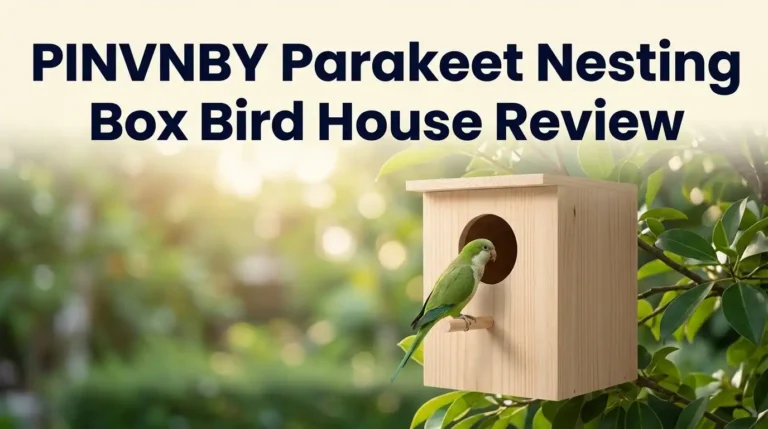
PINVNBY Parakeet Nesting Box Bird House for Cage

- The bird hammock is made of fleece, it is very comfortable to rest in it as a bird bed or bird sleeping hut.
- This bird hut gives your lovely parrots or birds a warm and comfortable hut to rest, hide, play and sleep. Soft comfort sleeping tent can alleviate a birds stress and provide them with a sense of security.
Last update on 2026-09-08 / Affiliate links / Images from Amazon Product Advertising API Some of the links on this website are affiliate links, which means that at no additional cost to you, I earn a commission if you click through and make a purchase. I only recommend products and services that I believe will add value to my readers. Thank you for your support!
MOACC Winter Warm Bird Nest House Shed Hut Hanging Hammock

- 【Transparent Design】Acrylic transparent parrot breeding box with clear field of view. We can observe the breeding and hatching process of birds through the transparent acrylic window, and easily observe the internal situation without repeatedly removing the cover to disturb the birds, achieving harmony between humans and nature.
- 【Encourage Natural Behavior】Bird breeding box is designed to encourage your parrot's natural nest building and breeding behavior, provide a comfortable and safe nest for your pet birds, help birds train their natural nest building skills, and encourage their natural behavior.
Last update on 2026-09-08 / Affiliate links / Images from Amazon Product Advertising API Some of the links on this website are affiliate links, which means that at no additional cost to you, I earn a commission if you click through and make a purchase. I only recommend products and services that I believe will add value to my readers. Thank you for your support!
Tfwadmx Parakeet Transparent Nesting Box
Installation Inside a Standard Cage
Hanging this nest took me under thirty seconds. I clipped one carabiner to a horizontal bar near the cage roof, ran the chain across, and clipped the second carabiner about six inches away. The nest hung level on the first try.
Position matters more than most owners realize. Hang it too low and droppings from perches above will land on it. Hang it too high and your bird loses valuable flight space in a small cage.
I settled on the upper third of the cage, away from the food and water bowls. Droppings and seed hulls will still find their way in, but the distance cuts the mess by a large margin.
The chain allows some length adjustment. On a narrow cage I shortened the span by clipping both carabiners closer together, which tilts the nest slightly. My canary preferred the tilt. My budgies did not.
One real limitation appeared with round cages. The chain wants a flat span between two parallel bars. On a curved dome cage the nest sat crooked and I had to add a small zip tie to stabilize it.
Check your cage bar spacing first. Bars wider than one inch apart give the carabiners too much play and the nest swings excessively.
Comfort and Warmth Through the Seasons
Jevnd designs this nest as a year round product, and the removable pad is how they pull that off. With the pad inside, the nest traps body heat well. Without it, air moves through the woven shell.
I tested both configurations. In a room held at 65 degrees Fahrenheit overnight, my budgies slept inside with the pad and stayed puffed for shorter periods than they did on an open perch. That suggests genuine warmth retention.
In warmer daytime conditions, both birds abandoned the nest entirely and returned to their perches. Birds self regulate temperature better than any product marketing admits. The nest is an option they use, not a bed they occupy constantly.
The curved shell also serves a psychological purpose. Small prey birds feel exposed in open cages, and a partial hideout lowers stress signals like constant head turning and alarm calls.
My canary used it as a daytime retreat rather than a night bed. That behavior is common and perfectly healthy.
One honest note on comfort. The nest is not a substitute for proper room temperature. If your bird needs supplemental warmth, a fabric hut will not solve that. A safe avian heat panel and a draft free room location do far more.
Jevnd Bird Nest for Cage Bite Resistant Clear Observation Model

- Clear Observation: The bird cage accessories nest is made of transparent plastic. It offers birds a clear view and enables you to easily monitor the little birds' activities inside, adding charm to your cage
- Detachable to Clean: Designed to be detachable at the top and bottom, the birds nest bed makes cleaning a breeze. You can easily take it apart and clean every corner, ensuring a hygienic environment for the birds
Last update on 2026-10-14 / Affiliate links / Images from Amazon Product Advertising API Some of the links on this website are affiliate links, which means that at no additional cost to you, I earn a commission if you click through and make a purchase. I only recommend products and services that I believe will add value to my readers. Thank you for your support!
Jevnd also sells a transparent version, and it solves a problem the fabric model cannot. You can see inside without disturbing the bird.
This model measures roughly 6 inches deep by 6 inches wide by 5 inches high and uses thick clear plastic instead of woven fabric. A plush cushion still sits inside for warmth. The plastic shell resists nibbling better than fabric because there is nothing to fray.
Breeders benefit most from this design. Checking eggs or chicks normally means opening a wooden box and stressing the hen. Clear walls remove that step entirely.
There are real tradeoffs. Plastic does not breathe, so condensation can build in humid rooms. I wiped moisture from the inside wall twice during a rainy week.
Light is the other issue. Some birds want darkness to feel safe, and a transparent nest gives them none. My canary refused this model completely while one budgie used it happily.
Cleaning is easier than the fabric version. A damp cloth handles the shell in seconds, and only the cushion needs washing.
Choose the clear model if you plan to monitor breeding activity. Choose the steel frame fabric model if you want a general sleeping and resting spot.
Size Guide: Which Birds Actually Fit
Sizing confusion causes most of the negative reviews on this product, so read this section carefully before ordering.
The small steel frame model at 6.3 inches wide comfortably holds one budgie, one canary, one finch, or one lovebird. Two budgies fit if they are bonded and tolerant. Two adult lovebirds will crowd it.
Cockatiels are the borderline case. A slim cockatiel can enter, but the tail feathers stick out and bend against the rim. Bent tail feathers become broken tail feathers. Jevnd sells a larger cockatiel model for this reason, and I recommend it over squeezing a bird into the small size.
Conures, quakers, and sun conures need the medium version. Anything larger than a conure should skip this brand entirely.
Measure your cage before your bird. A 6.3 inch nest eats a surprising amount of space in a cage under 18 inches wide. My smaller cage lost roughly a quarter of its usable flight area.
Chick and juvenile birds should not use hanging nests unsupervised. Young birds have poor balance and a swinging nest adds risk.
The listing photos make the nest look larger than it is. Hold a ruler against your cage and picture a coffee mug sized dome. That is closer to reality.
Cleaning and Washing Reality
Jevnd advertises this nest as washable, and that claim holds up with one caveat about drying time.
The cushion pad lifts out in one motion. I rinsed mine under warm water with a drop of unscented dish soap, squeezed it gently, and hung it to dry. Total active effort was under two minutes.
The shell itself takes more work. Because the steel frame sits inside the fabric, I avoid machine washing and soaking. I hand rinse the shell, press out excess water, and let gravity do the rest.
Here is the honest problem. Air drying the shell took close to twenty hours in a normal indoor room. Your bird has no nest during that window, which means either a spare unit or a temporary gap in routine.
Do not use a dryer. Heat can weaken the fabric bond around the steel ribs.
Frequency depends on your bird. Mine needed a wash every ten days. Birds that sleep inside every night will need weekly cleaning to prevent bacteria buildup.
Inspect after every wash. Look for fraying at the entrance rim and loose threads near seams. A nest that starts shedding fibers should be retired immediately, no matter how new it is.
What the Jevnd Bird Nest Does Not Do Well
Every review that only lists strengths is selling you something. Here is where this nest falls short.
It sheds fibers from the cushion pad. The plush interior is the weakest material in the whole product. Determined chewers pull loose threads within two weeks, and those fibers pose a genuine crop impaction risk if swallowed.
The drying time frustrates daily users. Twenty hours without a nest disrupts a bird that has built a sleeping routine around it.
Sizing information on the listing is inconsistent. Different sellers list different dimensions for what appears to be the same product, and color options change the chain length without clear labeling.
The swing function is oversold. Jevnd markets the nest as a swing, but it barely moves once loaded with a bird and cushion. Treat it as a stationary hideout.
It attracts droppings and seed debris fast. The open top design catches everything falling from above. Owners with tall cages will clean this more often than they expect.
Quality control varies. My unit had one loose thread out of the box. Reviews mention occasional crooked stitching and chains of unequal length.
Finally, it offers no ventilation control. On hot days the enclosed shape becomes a warm pocket, and birds do not always leave when they should.
Safety Concerns Every Owner Should Know
This section matters more than any feature list, and most product pages skip it entirely.
Fabric huts carry two documented risks. The first is crop impaction from swallowed fibers, which sometimes requires surgery. The second is toe or nail entanglement in loose threads or frayed edges.
Avian veterinarians have raised these concerns about plush huts for years. The Jevnd tight weave reduces fiber shedding compared with fleece huts, but it does not eliminate the risk. Daily inspection is the only reliable protection.
The second concern is hormonal. Enclosed dark cavities signal nesting opportunity to a hen. This can trigger chronic egg laying, which drains calcium, causes egg binding, and shortens lifespan.
Female birds without a mate can still lay eggs. If your hen starts producing eggs after you add a nest, remove the nest and speak with an avian veterinarian.
Aggression is another side effect. Birds sometimes guard a nest fiercely and bite hands that approach the cage. My calmer budgie showed mild territorial behavior around week three.
Practical guidance is simple. Inspect the nest every morning. Retire it at the first sign of fraying. Limit access during breeding season. If your bird shows hormonal signs, the nest goes in the bin, not back in the cage.
Pros and Cons
Here is the balanced summary after several weeks of daily use.
Pros
- The stainless steel frame genuinely resists chewing. Fifteen internal ribs keep the dome shape intact even after repeated beak attention, which is rare at this price point.
- Installation takes seconds with the included metal carabiners and welded chain, and no tools or cage modification are needed.
- The removable cushion pad allows seasonal adjustment, giving warmth in winter and airflow in summer from a single purchase.
- The tight woven outer fabric sheds fewer fibers than fleece huts, lowering the crop impaction risk relative to standard plush products.
- The curved entrance encourages nervous birds to enter quickly, and my canary settled in within two days.
- Price stays reasonable, generally between twelve and twenty seven dollars depending on size, color, and seller.
Cons
- The plush cushion pad frays at the edges under determined chewing and needs frequent inspection or replacement.
- Air drying takes close to a full day, leaving your bird without a nest unless you buy a spare.
- Sizing is small and inconsistent across listings, and cockatiels or larger birds simply will not fit the standard model.
- The swing function described in marketing barely functions in real use.
- The open design collects droppings and seed hulls from perches above.
- It can trigger hormonal behavior and chronic egg laying in hens, and the packaging carries no warning about this.
How It Compares With Wooden Nesting Boxes
Wooden boxes and fabric nests serve different purposes, and mixing them up leads to disappointment.
A wooden nesting box, like the PINVNBY pine model, exists for breeding. It has a small entry hole, solid walls, a hinged lid, and a concave floor that stops eggs from rolling. Serious breeders use wood, not fabric.
The Jevnd nest is a comfort accessory first. It gives a resting spot, a hideout, and a warm place to sleep. Eggs laid in it can roll and crack because the floor is soft and curved.
Cleaning favors wood in one way and fabric in another. Wood cannot go in water, so soiled boxes get scraped and eventually replaced. Fabric washes clean but takes a day to dry.
Durability strongly favors wood for aggressive chewers. Pine resists a budgie beak for years. The Jevnd steel frame lasts well, but the fabric surface will wear first.
Price is close. Both categories sit in the same range under twenty five dollars.
Choose the Jevnd nest for daily comfort and stress reduction. Choose a wooden box only if you are deliberately breeding and understand the responsibility that follows.
Price and Value in 2026
Prices for the Jevnd range move around, so treat any figure as a snapshot rather than a fixed number.
The small steel frame model typically lands between fifteen and twenty seven dollars. The clear observation model sits slightly lower. Coupons appear regularly on Amazon listings and often shave off five to ten percent.
Compare that against the alternatives. A generic plush happy hut costs eight to twelve dollars and lasts a few months. A wooden nesting box costs twelve to twenty dollars and lasts years.
The Jevnd nest sits in the middle. You pay a premium over generic fabric huts, and the steel frame earns most of that premium back through durability.
Value depends heavily on your bird. A gentle canary that does not chew will get years from this nest. A destructive lovebird may shred the cushion in a month, which changes the math completely.
I would buy it again for a small, calm bird. I would not buy it for a heavy chewer.
One money saving tip. Order a spare cushion pad if the seller offers one. It costs little and solves the drying time problem entirely.
Who Should Buy It and Who Should Skip It
Clear guidance saves you a return shipment, so here is my honest read.
Buy this nest if you keep budgies, canaries, finches, or lovebirds in a cage of reasonable size. It suits owners in cooler homes who want a warm sleeping spot, and owners of nervous birds who need a low stress hideout.
It also suits people who have watched cheap plush huts collapse. The steel frame is a real upgrade and you will notice the difference within days.
Skip this nest if you own a cockatiel, conure, or any larger parrot, unless you buy the correctly sized model. Forcing a big bird into a small nest bends tail feathers and creates frustration.
Skip it entirely if your hen has a history of chronic egg laying. No comfort benefit outweighs that health risk, and your avian veterinarian will tell you the same thing.
Owners who cannot commit to daily inspection should also pass. Fabric nests demand a quick morning check for frayed threads, and that habit is not optional.
Finally, breeders should buy a wooden box instead. This nest is a bed, not a nursery.
Final Verdict
The Jevnd bird nest for cage does what it claims, with limits worth knowing before you buy.
The steel frame is the standout feature and it delivers. My unit survived three weeks of budgie chewing without losing shape, and that alone puts it ahead of most fabric huts on the market.
Installation is fast, cleaning is manageable, and the removable pad gives genuine year round flexibility. The 4.5 star average across hundreds of ratings reflects real satisfaction, not manufactured hype.
The problems are equally real. The cushion frays, drying takes a full day, sizing runs small, and the hormonal risk deserves a warning label that the box does not carry.
My rating sits at four out of five for small calm birds and closer to three out of five for aggressive chewers or hens prone to egg laying.
Would I recommend it? Yes, with conditions. Measure your cage, match the size to your species, inspect it every morning, and remove it if hormonal behavior appears.
Used that way, it is a solid and affordable comfort upgrade. Used carelessly, any fabric nest becomes a health risk. The product is good. Your supervision is what makes it safe.
Frequently Asked Questions
Is the Jevnd bird nest safe for budgies?
Yes, with daily supervision. The tight woven fabric sheds fewer fibers than fleece huts, which lowers the crop impaction risk. Inspect the entrance rim every morning for loose threads and retire the nest at the first sign of fraying.
What size Jevnd nest should I buy for my bird?
The small model at roughly 6.3 inches wide fits budgies, canaries, finches, and single lovebirds. Cockatiels need the medium cockatiel version. Conures and quakers need the larger size. Birds bigger than a conure should use a different product entirely.
Can my bird lay eggs in this nest?
Physically yes, but it is not designed for it. The soft curved floor lets eggs roll and crack. Use a proper wooden nesting box for breeding. Also remember that providing any cavity can trigger unwanted egg laying in hens.
How do I clean the Jevnd bird nest?
Remove the cushion pad and rinse it with warm water and a drop of unscented soap. Hand rinse the shell and press out excess water. Air dry both parts completely, which takes up to twenty hours. Never machine dry it.
Will the nest fit in a small cage?
It fits, but it consumes real space. In cages under 18 inches wide the nest takes roughly a quarter of the usable area. Measure your cage first and hang the nest in the upper third, away from food and water bowls.
Does the steel frame rust?
The frame uses stainless steel, which resists rust well. The bigger concern is trapped moisture inside the fabric after washing. Dry the nest fully before returning it to the cage to protect both the frame and your bird.
How long does the Jevnd bird nest last?
Expect one to two years with a gentle bird and regular washing. Heavy chewers will damage the cushion pad within a few months. The steel frame outlives the fabric, so the fabric condition determines replacement timing.

Hello, I’m Amelia White, the founder of birdsfanatic.com. As a lifelong bird enthusiast and spiritual seeker, I’ve always been fascinated by the mystical connections between birds and the human experience. On this site, I share my knowledge and insights into the symbolic meanings and spiritual significance of various bird species, exploring their roles in mythology, folklore, and cultural traditions. Join me on this journey into the world of birds, where we’ll discover the hidden wisdom and guidance that these magnificent creatures have to offer.