
Black and White Birds Featuring a Red Head
When you see black and white birds with bright red heads, their unique looks and behaviors can be quite interesting. The Northern Flicker and Red-headed Woodpecker thrive in different environments and have important roles in their ecosystems. Learning about their feeding and breeding habits helps us understand how they adapt to their surroundings.
Sadly, urban growth and climate change threaten their populations. It's important to know how these challenges impact their survival. Recognizing these factors can help us protect these beautiful birds and ensure they continue to thrive in our environment.
Key Takeaways
- The Red-headed Woodpecker features a striking red head with a black body and white belly, making it easily identifiable.
- The Northern Flicker, another woodpecker, has a brown body with black spots and vibrant red and yellow wing markings.
- Both woodpecker species are known for their unique foraging methods and play important roles in pest control and maintaining ecological balance.
- These birds prefer habitats like open woodlands, parks, and forest edges, often nesting in dead or decaying trees.
- Conservation efforts are crucial due to habitat loss and climate change affecting their food sources and breeding success.
Overview of Black and White Birds With Red Heads

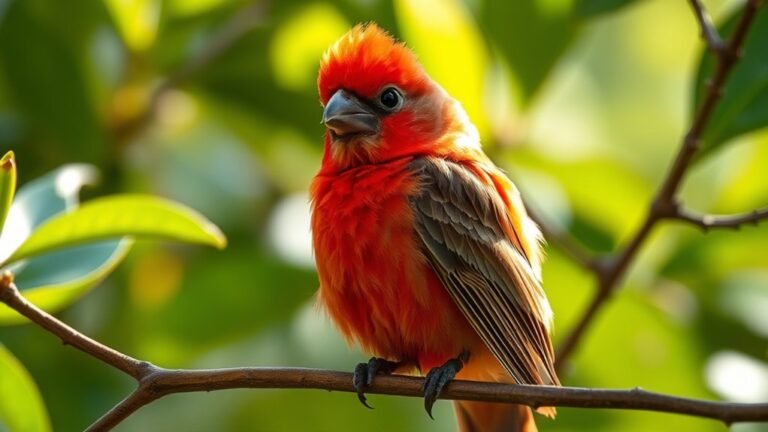
Black and white birds with bright red heads capture interest in bird studies. Their bold colors create a striking appearance that attracts attention. The red heads help these birds find mates and mark their territory.
The contrast of black and white feathers makes them easy to spot in nature, appealing to birdwatchers and researchers. Many species show differences in color between males and females, with males displaying brighter red heads.
These birds prefer forested areas, using their colors for communication and movement. Learning about their habits and habitats is important for conservation efforts.
The Northern Flicker: A Colorful Woodpecker
The Northern Flicker (Colaptes auratus) is a unique woodpecker known for its colorful appearance and important role in ecosystems.
It has a brown body with black spots and red or yellow markings under its wings. Unlike other woodpeckers, the Northern Flicker often looks for food on the ground.
It uses its long tongue to catch insects like ants and beetles. This behavior helps control pest populations.
Learning about the Northern Flicker highlights its contribution to maintaining balance in its environment.
The Red-headed Woodpecker: A True Icon

The Red-headed Woodpecker (Melanerpes erythrocephalus) has a striking look. Its bright red head contrasts sharply with its black body and white belly. This woodpecker symbolizes liveliness and courage in many cultures.
When you watch this bird, you'll see its unique foraging method. It catches insects mid-air or picks them from tree bark. The woodpecker's energetic drumming fills forests, making it a favorite of birdwatchers.
The Red-headed Woodpecker also has a strong social structure. It often competes for territory with other woodpeckers. Learning about these behaviors can deepen your connection to this iconic bird and enhance your appreciation for the variety in nature.
Habitats: Where These Birds Thrive
Woodpeckers, like the Red-headed Woodpecker, live in various environments that shape their behavior and survival.
These birds thrive in open woodlands, parks, and forest edges where they can find suitable trees. They prefer mature trees, especially those that are dead or decaying, as these provide ideal nesting spots.
During breeding season, they choose nesting sites that protect them from predators and bad weather.
Red-headed Woodpeckers are adaptable and can live in areas with different levels of human activity, as long as food and nesting sites are available.
Understanding their habitat needs is vital for conservation, helping ensure these beautiful birds continue to live in their natural environments.
Feeding Habits and Diet Preferences

Feeding habits and diet preferences play a key role in the survival of the Red-headed Woodpecker. These birds eat a variety of foods such as insects, fruits, and nuts. They use different feeding methods, like searching for insects on tree trunks or tapping on bark to find hidden larvae.
Their ability to adapt to different food sources is vital for their success. Seasonal changes also affect their diet. For example, during autumn, they often eat more fruits. By observing their feeding behavior, we can connect more with these fascinating birds and understand the importance of protecting their habitats for their survival.
Breeding and Nesting Behaviors
Red-headed Woodpeckers have distinct breeding and nesting behaviors that help them raise their young successfully. Males perform courtship displays by drumming loudly to catch the attention of females. Once they mate, they choose nesting sites in decaying trees, which provide a safe place for their eggs.
To build their nests, they collect wood chips, bark, and plant fibers. They carefully arrange these materials to create a safe and warm space for their young.
Females typically lay four to five eggs, and both parents take turns incubating them. This teamwork helps strengthen their bond and improves the chances of their chicks surviving.
The Role of These Birds in Ecosystems
Red-headed Woodpeckers play a vital role in their ecosystems through their breeding and nesting behaviors. They dig cavities in trees to create nesting sites for themselves and many other species. This activity boosts local biodiversity.
Their foraging helps control insect populations, promoting healthier tree growth. This connection shows their importance in both plant and animal communities.
Additionally, the presence of these woodpeckers indicates environmental health and signals ecosystem stability. They thrive in specific habitats, contributing to the balance in their ecosystems.
This highlights the interconnectedness of species and the need to protect their habitats for future generations.
Conservation Status and Threats
The Red-headed Woodpecker is at risk due to several environmental challenges. Habitat loss is a key issue. Urban development and farming reduce the forests and dead trees these birds need for nesting and feeding.
They thrive in open woodlands, savannas, and old-growth forests, which are becoming more fragmented. Climate change worsens these issues by changing food sources and migration routes. Additionally, competition with other birds for nesting sites can lower their breeding success.
Conservation efforts should focus on protecting existing habitats, restoring damaged areas, and promoting sustainable land use.
Involving local communities in these initiatives can create a shared commitment to protect these remarkable birds. Together, we can make a difference for the Red-headed Woodpecker.
Tips for Spotting and Identifying These Birds
To spot and identify black and white birds like the Red-headed Woodpecker, use these tips.
First, observe carefully with binoculars to see details such as plumage patterns and behavior. This helps you tell similar species apart.
Visit woodlands or open fields in the early morning or late afternoon, as birds are more active during these times.
Listen for their distinct calls; many birds have unique sounds that can help you identify them. Use field guides for your region and mobile apps for quick information.
Joining local birdwatching groups can enhance your experience and knowledge.
Remain patient and quiet while observing, as sudden movements can scare birds away.
Following these tips will improve your birdwatching experience and skills.
Frequently Asked Questions
Are These Birds Migratory or Resident Species?
To find out if these birds migrate or stay in one place year-round, look at their migration patterns and resident behavior. This analysis will show their seasonal movements and how stable their habitats are in different environments.
What Specific Regions Are These Birds Most Commonly Found?
These birds are commonly found in woodlands, open fields, and urban areas. They live in temperate regions and nest in both natural and human-made environments. These habitats provide the resources they need to thrive and raise their young.
How Long Do These Birds Typically Live in the Wild?
In the wild, these birds live between 5 and 10 years. Their lifespan depends on their habitat and environmental conditions. Better living conditions can help them live longer.
What Are Common Predators of These Birds?
Common predators of these birds include hawks. These birds face a significant risk from such threats. To survive, they use strategies to avoid being caught. They fly quickly and seek refuge in thick vegetation. These behaviors help them escape from both airborne and ground predators in their environment.
Are There Any Unique Vocalizations Specific to These Species?
These species have unique vocalizations. They use sound mimicry to communicate. They can imitate other birds. This ability enhances their social interactions. It helps shape their identity in their environment.

Hello, I’m Amelia White, the founder of birdsfanatic.com. As a lifelong bird enthusiast and spiritual seeker, I’ve always been fascinated by the mystical connections between birds and the human experience. On this site, I share my knowledge and insights into the symbolic meanings and spiritual significance of various bird species, exploring their roles in mythology, folklore, and cultural traditions. Join me on this journey into the world of birds, where we’ll discover the hidden wisdom and guidance that these magnificent creatures have to offer.