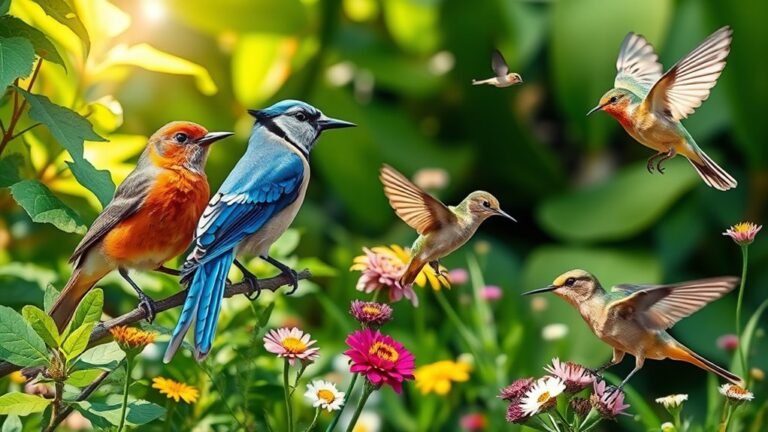

Arkansas Local Backyard Bird Guide
To attract local bird species to your backyard in Arkansas, it is important to know the common birds in the area. Learn about their habits and preferences to create a friendly environment. Focus on providing food sources and nesting options that appeal to them. Simple actions can help transform your garden into a safe haven for birds.
Start by placing bird feeders filled with seeds or nectar. Consider adding native plants that provide natural food and shelter. Install birdhouses suitable for the species you want to attract. Keep your garden clean and provide fresh water sources.
Your efforts can positively impact local ecosystems. Creating a welcoming space for birds can help with pollination and seed dispersal, benefiting your garden and the surrounding area. Enjoy the process of observing and learning about the birds that visit your sanctuary!
Key Takeaways
- Familiarize yourself with common Arkansas birds, such as House Sparrows, Red-bellied Woodpeckers, and goldfinches, to enhance observation experiences.
- Create a welcoming habitat by providing food, water, and shelter for local birds with diverse seeds and clean birdbaths.
- Place feeders in quiet spots near trees and shrubs, ensuring safety and visibility for regular bird visits.
- Consider seasonal changes: observe nesting behaviors in spring and migration patterns in autumn for diverse birdwatching opportunities.
- Enhance your garden with native plants and a variety of structures to support shelter and food sources for different bird species.
Common Birds of Arkansas

In Arkansas, you can find many common birds that enhance the area's natural beauty. Sparrows are among the most common. The House Sparrow and Song Sparrow thrive in both cities and rural areas. They've distinct calls and markings that make them fun to watch.
Woodpeckers, such as the Red-bellied Woodpecker and Downy Woodpecker, are also present. The Red-bellied Woodpecker has bright colors, while the Downy Woodpecker has more muted tones. Each species uses different ways to search for food.
Learning about these birds helps you connect with nature and appreciate Arkansas's diverse ecosystem. Enjoy observing these fascinating birds as they play their part in maintaining balance in the environment.
Attracting Backyard Birds
To attract more birds to your backyard, you need three key components: food, water, and shelter.
- Food: Choose a variety of seeds to attract different bird species. Sunflower seeds are great for goldfinches, while juncos prefer millet.
- Feeder Placement: Place your feeders in quiet areas where birds can be easily seen. Nearby shrubs and trees provide safety for them.
- Cleanliness: Keep feeders clean and filled to ensure a steady food supply.
- Water Source: A shallow birdbath can provide both hydration and a place for birds to bathe.
By focusing on these factors, you can create an inviting habitat that will attract a wide range of birds to your yard.
Enjoy watching the different species visit and thrive!
Bird Feeding Tips

To attract birds successfully, it's important to know their feeding habits and preferences.
Start by selecting the right seeds. Sunflower seeds attract cardinals and finches, while goldfinches prefer nyjer seeds.
Use different types of feeders to improve your birdwatching experience. Tube feeders reduce seed waste and are great for small birds. Platform feeders work well for larger species, including blue jays.
Place your feeders in safe, sheltered spots to encourage birds to visit regularly. Keep feeders clean and refill them often, especially during busy feeding times.
Understanding Bird Habitats
Bird habitats are essential ecosystems that affect the types of birds you may see in your backyard. Knowing about these habitats can deepen your understanding of local birdlife and its role in the ecosystem.
Here are three important habitat types to consider:
- Woodlands – These areas provide shelter and nesting sites for birds. You can find woodpeckers and warblers here.
- Wetlands – Wetlands are rich in animal diversity. They attract migratory birds and support various insects and aquatic life.
- Open Fields – These spaces are good for foraging. Ground-feeding birds like sparrows and cardinals thrive in open fields.
Seasonal Birdwatching
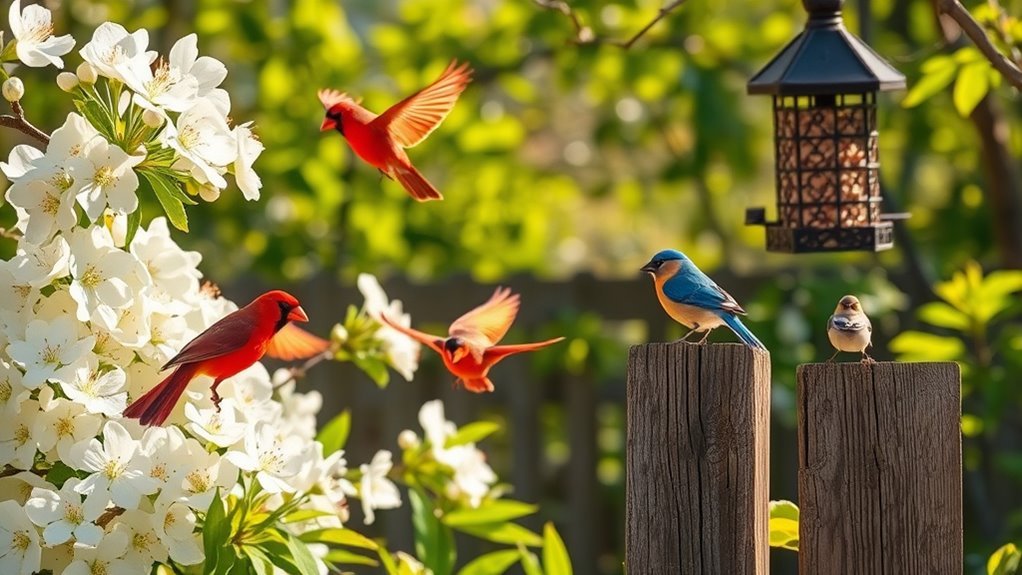
Birdwatching offers a unique experience across different seasons.
In spring, birds become active as they nest and build homes to attract mates.
Summer is lively with young birds, showcasing a variety of local species.
As autumn arrives, watch for migration as many birds travel south, leading to a quieter landscape.
Winter brings hardy birds that endure colder temperatures.
Observing these seasonal changes enhances your birdwatching, helping you connect with nature in your Arkansas backyard.
Bird Behavior Insights
Understanding bird behavior enhances your backyard birdwatching experience in Arkansas. Observing their actions provides insights into their lives.
Consider these three key behaviors:
- Flocking behavior: Many bird species form flocks for socializing and protection. Watching these groups shows their social structure and interactions.
- Foraging strategies: Birds use various methods to find food. Some search on the ground, while others look among tree branches. Noticing these habits helps you appreciate their unique adaptations.
- Territorial displays: Birds engage in specific behaviors to show dominance in certain areas. These displays reveal their mating strategies and how they interact with their environment.
Unique Arkansas Bird Species
Arkansas has diverse bird species due to its unique geography and climate. The state's ecosystems include wetlands and dense forests, which provide ideal habitats for various birds.
For example, the red-bellied woodpecker and pileated woodpecker thrive here. They display unique behaviors and feeding patterns that help them adapt to available resources.
Arkansas also serves as an important stopover for migratory birds during their journeys. This avian diversity enriches the local environment and offers great opportunities for birdwatching.
Birdwatching Equipment Essentials
To enjoy birdwatching in Arkansas, having the right equipment is important. Here are some essential items:
- Binoculars: Choose binoculars with multi-coated lenses for better clarity. A magnification of 8x to 10x is best for viewing birds in your backyard.
- Field Guide: Use a bird guide specific to your region. A good guide should have clear images and easy-to-read information about bird behavior and habitats.
- Camera: To capture beautiful bird photos, understand your camera settings. A telephoto lens and a fast shutter speed will help you take pictures without bothering the birds.
With this equipment, you can connect more with the diverse bird life in Arkansas.
Happy birdwatching!
Creating a Bird-Friendly Garden
To attract a variety of birds to your backyard, create a bird-friendly garden.
Start by planting native plants. These plants provide food and shelter for local birds. Native plants grow well in your area's climate and soil, helping to increase biodiversity.
Include different types of trees, shrubs, and flowering plants. Each type offers various seeds, fruits, and nectar at different times of the year.
Also, add water sources like birdbaths or small fountains. Birds need water for drinking and bathing.
A diverse habitat enriches your garden and supports wildlife. This effort connects you with birds and the natural environment.
Enjoy watching the birds as they visit your space.
Bird Conservation Efforts
Bird conservation efforts are vital for ecological balance and biodiversity. You can help these initiatives in simple yet impactful ways:
- Habitat Preservation: Support projects that restore and protect bird habitats. This work helps maintain the ecosystems birds depend on.
- Citizen Science: Participate in local bird counts and monitoring programs. These activities collect data that guides conservation efforts.
- Advocacy: Join community initiatives that promote policies for bird conservation and habitat protection. This fosters community connection and shared purpose.
Every action counts in preserving our feathered friends.
Together, we can make a difference.
Resources for Bird Enthusiasts
Bird enthusiasts play an important role in conservation. They help protect habitats and learn more about birds.
To increase your knowledge, join local birdwatching clubs. These groups connect you with fellow bird lovers and allow you to share insights. Clubs often organize events for hands-on learning and bird observation, which improve your skills in identifying species and understanding their behavior.
You can also take part in citizen science projects. This allows you to contribute data that's valuable for research.
Use field guides and apps specific to Arkansas birds. Attend workshops or talks from local conservation organizations. By participating, you support a strong community focused on the welfare of birds.
Frequently Asked Questions
What Are the Best Times for Birdwatching in Arkansas?
For great birdwatching, the best times are early in the morning and during evening twilight. Birds are most active during these hours, as they search for food and interact with one another. Watching birds at these times increases your chances of spotting different species and witnessing interesting behaviors. Happy birdwatching!
How Can Weather Affect Backyard Bird Activity?
Weather affects backyard bird activity in clear ways. For example, changes in climate can influence when birds migrate. Seasonal variations, such as temperature and precipitation, can impact their feeding habits. Observing these changes adds to your enjoyment of birdwatching. You may notice different species visit your backyard at different times based on the weather. Keeping an eye on these patterns can help you connect better with local birds and enhance your overall experience.
Are There Specific Bird Calls to Learn for Arkansas Birds?
Learning to identify bird calls can improve your enjoyment of nature. Specific sounds, like the clear whistle of the American Robin and the sharp call of the Cardinal, help you recognize birds in your area. Listening for these calls allows you to connect more with your backyard birds and appreciate their presence.
How Do I Identify a Bird Species by Its Nest?
To identify a bird species by its nest, notice the materials used and the location chosen. Birds use specific materials like twigs, grasses, or mud. They also select unique places to build their nests, such as trees, shrubs, or human structures. By observing these details, you can determine which species may be present.
What Are Common Predators of Backyard Birds in Arkansas?
Backyard birds in Arkansas face several common predators. Domestic cats hunt birds, significantly impacting their populations. Hawks hunt during the day, while snakes can threaten nests and young birds. Owls search for birds at night, and raccoons often raid nests. Each of these predators plays a role in shaping bird communities in Arkansas. Understanding these threats can help bird lovers take steps to protect their feathered friends.

Hello, I’m Amelia White, the founder of birdsfanatic.com. As a lifelong bird enthusiast and spiritual seeker, I’ve always been fascinated by the mystical connections between birds and the human experience. On this site, I share my knowledge and insights into the symbolic meanings and spiritual significance of various bird species, exploring their roles in mythology, folklore, and cultural traditions. Join me on this journey into the world of birds, where we’ll discover the hidden wisdom and guidance that these magnificent creatures have to offer.