
Using Netting to Deter Birds From Nesting in Certain Areas
If birds are nesting in unwanted areas, netting can help solve the problem. This method blocks access while still allowing light and air to pass through. Choose the right type of netting and install it correctly to ensure it works well. Proper installation and maintenance are key to your success. Here are some best practices to make sure your netting is effective:
- Select the Right Netting: Use a net that is strong and suitable for the bird species you want to deter.
- Measure the Area: Measure the space where you want to apply the netting to ensure proper coverage.
- Install Securely: Attach the netting firmly to prevent birds from entering. Check for any gaps.
- Regular Maintenance: Inspect the netting regularly for wear and tear. Replace any damaged sections promptly.
- Monitor Effectiveness: Keep an eye on the area to see if birds are still attempting to nest. Adjust the netting as needed.
By following these steps, you can effectively use netting to deter birds from nesting in unwanted areas.
Key Takeaways
- Choose the appropriate type of bird netting, such as lightweight polypropylene for small birds or durable polyethylene for larger species.
- Ensure precise measurements of the area to securely fit the netting and minimize gaps that could allow bird access.
- Secure the netting tightly using anchors or staples, preventing sagging that could compromise its effectiveness as a barrier.
- Perform regular maintenance checks for tears or holes in the netting, repairing them promptly to maintain optimal performance.
- Clean the netting periodically to remove debris and pests, ensuring it remains effective in deterring birds from nesting.
Understanding the Importance of Bird Control

Bird control is important for protecting your property and the safety of people nearby. Different birds have distinct nesting habits that can cause various problems. For instance, some birds nest in hidden areas while others choose open ledges.
Their nests can damage structures, clog drains, or attract pests. Understanding these behaviors helps you create effective control methods. Taking action early can prevent health risks from bird droppings and minimize property damage.
Knowing where and when birds are likely to nest allows you to protect your space, maintaining its appearance and safety for you and your community.
With proper bird control, you can enjoy a cleaner environment while ensuring the well-being of those around you.
Types of Bird Netting Available
Bird netting is an effective way to prevent birds from nesting in unwanted areas. Different mesh types work better for specific situations. For example, lightweight polypropylene netting is good for small birds, while heavier polyethylene netting is more durable for larger birds. Each type has a specific purpose, helping you find the best option for your needs.
Mesh size is also important. Smaller openings block access for birds while still allowing air and light to flow through.
When selecting bird netting, consider how it will hold up against environmental conditions. High-quality materials last longer and resist wear, making your bird control efforts more successful.
Benefits of Using Bird Netting

Using bird netting provides key benefits for property maintenance. First, it stops birds from nesting in undesired locations. This leads to cleaner environments and reduces the risk of damage to buildings and gardens, which can be expensive to fix.
Second, bird netting is a cost-effective option. It's cheaper compared to other methods like chemical repellents or hiring professional services.
After installation, netting offers long-lasting protection and requires little upkeep, making it a wise investment. Moreover, it creates a barrier without harming birds, promoting a humane way to protect your property.
Identifying Areas That Need Protection
To prevent birds from nesting, it's important to find the areas on your property that are most at risk.
Check for these signs:
- Areas near food sources
- Spots sheltered from strong winds
- Places with easy access to water
- Regions with lots of plants and trees
- Locations where birds have nested before
Best Practices for Installing Bird Netting

To deter birds from nesting, it's important to install bird netting correctly. First, choose high-quality materials like nylon or polyethylene. Check that the netting has the right mesh size to block your target birds while allowing helpful wildlife to stay.
Next, carefully measure your area to ensure a snug fit. Use anchors or staples to secure the netting tightly. This prevents sagging, which can create openings for birds. Stretch the netting firmly to avoid gaps.
Maintenance and Care for Bird Netting
Regular maintenance ensures your bird netting lasts longer and works effectively. Use these simple tips to take care of your netting:
- Check for tears or holes regularly.
- Clean the netting to remove dirt and pests.
- Ensure it's securely fastened to avoid sagging.
- Fix any damage quickly to keep it functional.
- Replace the netting when needed for best results.
By following these steps, you help protect your space from birds and extend the life of your netting.
Happy bird-proofing!
Humanely Managing Bird Populations
Managing bird populations in a humane way involves several steps. First, use effective bird netting to prevent birds from nesting in unwanted areas.
Next, consider humane deterrents that keep birds safe while minimizing their stress. Visual repellents and sound deterrents can help discourage nesting without causing harm.
Ethical considerations are crucial in this process. Your methods should respect wildlife while achieving your goals.
Regularly observe bird behavior to adjust your strategies as needed. By focusing on humane practices, you can contribute to local ecosystems and foster community involvement.
Together, you can create a balanced environment for both people and birds.
Alternatives to Bird Netting
When looking for alternatives to bird netting, consider using deterrents that can keep birds away without sacrificing the look of your space.
Here are some effective options:
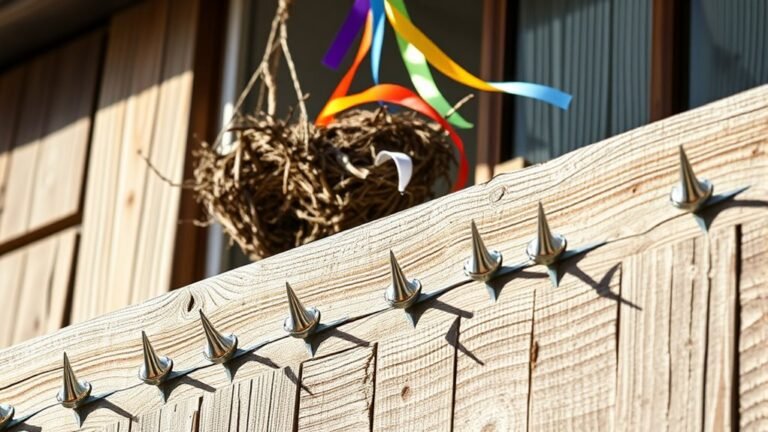
- Bird spikes: These keep birds from landing on ledges.
- Reflective objects: Items like foil or old CDs can confuse and scare birds.
- Scare balloons: Balloons that mimic predator movements can deter birds.
- Sonic devices: These emit distress calls or sounds of predators to scare birds away.
- Decoys: Fake predatory birds can create fear in smaller birds.
These methods are simple to implement and can help protect your area from unwanted bird nesting.
Case Studies: Success Stories of Bird Netting Implementation
Bird netting effectively prevents birds from nesting in unwanted areas. Several case studies demonstrate its success in different environments.
For example, a commercial building used netting to cover key spots on its façade. This action led to a significant reduction in bird activity within months. In another case, a municipal park applied netting around important structures. This resulted in a marked decrease in nesting attempts.
These examples show how bird netting adapts to various situations and helps maintain community standards while looking visually appealing.
By taking these preventive steps, you can create spaces free from nesting issues. Bird netting isn't just a deterrent; it reflects a commitment to preserving shared areas.
Consider how bird netting could improve your environment and explore these successful implementations.
Frequently Asked Questions
Can Netting Affect the Local Ecosystem Negatively?
Netting can harm the local ecosystem. It disrupts habitats and limits wildlife access, which can change the balance of the ecosystem. This alteration may lead to reduced species diversity and affect food chains. Consequently, overall wildlife health in the area can suffer.
What Materials Are Used in Bird Netting Production?
Bird netting is often made from polyethylene mesh and nylon fibers. These materials provide strength and long-lasting performance in creating barriers. They effectively manage bird populations while being mindful of environmental impacts. This makes them a practical choice for bird management solutions.
Is Bird Netting Environment-Friendly?
Bird netting can impact the environment, so it's important to assess its use. Some types may harm wildlife, but there are sustainable alternatives. Always check the materials used in the netting and consider how they affect local ecosystems. Make informed decisions to protect wildlife while managing bird populations effectively.
Will Netting Harm the Birds if They Get Trapped?
Netting can trap birds and threaten their safety. To keep birds safe, install bird netting correctly. Check netting areas regularly to prevent birds from getting stuck. This helps protect bird welfare and supports the environment. Regular maintenance ensures that birds can move freely and safely.
How Long Does Bird Netting Typically Last?
Bird netting usually lasts between three to five years. Its lifespan depends on factors like UV exposure and weather conditions. To make it last longer, conduct regular inspections and make repairs as needed. This will help maintain its effectiveness in your environment.

Hello, I’m Amelia White, the founder of birdsfanatic.com. As a lifelong bird enthusiast and spiritual seeker, I’ve always been fascinated by the mystical connections between birds and the human experience. On this site, I share my knowledge and insights into the symbolic meanings and spiritual significance of various bird species, exploring their roles in mythology, folklore, and cultural traditions. Join me on this journey into the world of birds, where we’ll discover the hidden wisdom and guidance that these magnificent creatures have to offer.