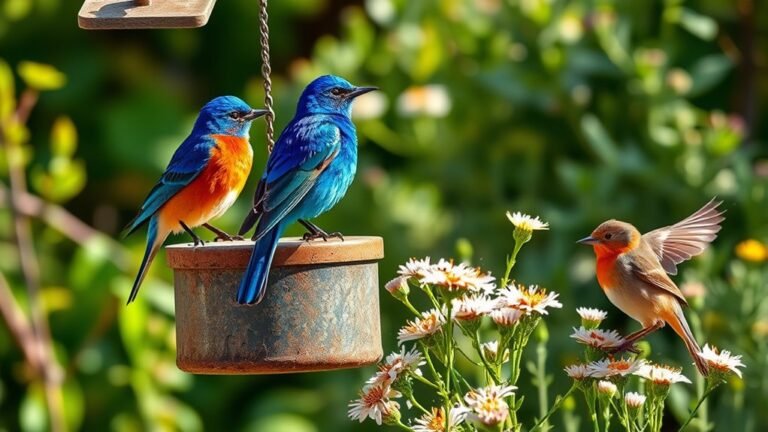

Spotting Small Red Birds in Your Garden or Park
To spot small red birds in your garden or park, learn about their behaviors and habits. These birds like certain habitats and are more active at specific times of day. By observing your environment and making small changes, you can attract these colorful birds. Think about what they need, such as food and shelter. Here are some simple steps to create a welcoming space for these birds:
- Choose the Right Feeder: Use feeders that hold seeds preferred by red birds, like sunflower seeds.
- Select the Correct Plants: Plant native shrubs and flowers that produce berries and seeds, providing natural food sources.
- Provide Water: Set up a shallow birdbath or provide a small water source for drinking and bathing.
- Create Safe Nesting Areas: Leave some shrubs untrimmed and provide nesting materials to encourage them to visit.
- Be Patient: Spend time quietly observing. It may take a while for the birds to notice your efforts.
By following these steps, you increase your chances of seeing small red birds in your garden or park. Enjoy watching these beautiful creatures!
Key Takeaways
- Observe during early morning or late afternoon when small red birds are most active and visible.
- Create habitats with dense shrubs, trees, and access to diverse food sources like seeds and fruits.
- Use bird feeders stocked with sunflower seeds, millet, and berries positioned near natural cover.
- Maintain clean feeders and surroundings to promote healthy visits from small red birds.
- Familiarize yourself with bird calls and behaviors to enhance your spotting success in local areas.
Understanding the Types of Small Red Birds

When observing small red birds, two common species stand out: the American Robin and the House Finch.
The American Robin has a bright red-orange breast and often visits gardens in cities and suburbs. The House Finch is known for its red forehead and throat, and it thrives in many environments, often near people.
Each species has distinct migratory patterns. The American Robin flies south during winter and returns in spring to breed. In contrast, the House Finch usually stays in temperate areas throughout the year.
Learning about these behaviors helps you connect with nature and appreciate these charming small red birds in your area.
Best Times for Bird Watching
Bird watching is enjoyable throughout the year. However, certain times can improve your chances of spotting small red birds like the American Robin and House Finch.
The early morning and late afternoon are the best times for bird observation. During these hours, light is softer, making it easier to see birds as they search for food.
In the early morning, you'll notice more bird calls. These sounds can help you find red birds.
In the late afternoon, birds often feed more actively as they prepare for night. Knowing these active times increases your chances of seeing these vibrant birds.
It also helps you feel more connected to nature, adding to your enjoyment of the experience.
Ideal Habitat Conditions

Small red birds like the American Robin and House Finch need specific habitat conditions to thrive.
They require shelter options such as dense shrubs, low trees, and natural areas for security and nesting. Diverse food sources are crucial for their survival; they eat seeds, fruits, and insects.
Planting gardens with native plants improves food availability. Access to water is also essential, whether from birdbaths or natural water sources.
By creating an environment with these requirements, you can attract these beautiful birds to your garden or park. This fosters a stronger connection to nature and the community.
Enjoy watching the vibrant life they bring!
Attracting Small Red Birds to Your Garden
To attract small red birds like the American Robin and House Finch to your garden, create a suitable environment for them.
Start by selecting the right seeds. These birds enjoy seeds, fruits, and insects. Offer a mix of sunflower seeds, millet, and berries to draw them in.
Next, place your feeders wisely. Position them near shrubs or trees for shelter from predators while making sure they're easy for the birds to access.
Keep feeders clean to prevent disease; this helps birds return to your garden.
Essential Birdwatching Gear

Creating a lively garden can attract small red birds, but enjoying birdwatching also requires essential gear.
Start with binoculars; choose lightweight models with 8x to 10x magnification for a clear view. Next, buy field guides that focus on the birds in your area. These guides help you identify different species and learn about their features. Look for guides that include clear pictures and range maps.
Keep a notebook with you to jot down sightings and behaviors. This practice will deepen your understanding of the birds.
With the right tools, you can enjoy your feathered visitors and appreciate their beauty in your garden or park.
Observing Behavior and Feeding Habits
While observing small red birds, you'll notice interesting behaviors and feeding habits. Each species shows distinct patterns.
Some birds search for food alone, while others feed in small social groups. They often prefer seeds, fruits, or insects, showing they can adapt their diets.
As you watch, you may see them perform acrobatic moves to reach food, highlighting their ability to solve problems.
You can also hear how they communicate, using songs or calls to mark territory or attract mates. This communication strengthens their social bonds and emphasizes their role in local ecosystems.
Identifying Small Red Birds by Color and Size
How can you identify small red birds in your backyard or on a nature walk? Start by observing their color. Look for bright red feathers. For example, the Northern Cardinal has a deep red color, while the House Finch has lighter red tones.
Next, compare their sizes. The Ruby-throated Hummingbird is smaller than the male Cardinal, which is larger and more vibrant. Knowing their size helps you narrow down your choices.
Also, check the shape of their beaks. A thin beak usually means the bird eats insects. A short, wide beak suggests it eats seeds.
Listening for Distinctive Calls and Songs
To identify small red birds, focus on their calls and songs. These vocalizations can help you determine the species. Each bird has a unique song pattern.
For example, the American Robin has melodic phrases, while the Northern Cardinal has a rich variety of sounds. Learning to recognize these calls is important for birdwatchers. Listen for specific notes, repetitions, and rhythms that set each species apart.
Using recordings can improve your skills in identifying calls while in the field. This practice deepens your connection to nature.
Creating a Bird-Friendly Environment
Creating a bird-friendly environment in your backyard or community can improve your birdwatching experience.
To attract small red birds, follow these simple steps:
- Install bird feeders with seeds like sunflower seeds or millet that small red birds enjoy.
- Plant native plants in your garden to provide food and shelter for birds.
- Provide water sources such as birdbaths or small ponds for hydration and bathing.
- Create diverse habitats with a mix of shrubs, trees, and open spaces to meet the needs of different bird species.
- Reduce pesticide use to protect birds and their food sources.
By implementing these practices, you'll create an inviting space that encourages more birds to visit.
Enjoy watching the avian visitors in your backyard!
Keeping a Birdwatching Journal
Keeping a birdwatching journal can greatly improve your understanding of bird behavior and patterns. By recording your observations, you'll enhance your birdwatching skills and notice changes in your local environment.
Be sure to write down the dates, times, and weather conditions, as these details affect bird activity. You can also sketch or photograph the birds you see to help remember important details.
Make notes of their calls and songs, since sound is essential for identifying different species. As you gather more entries, you'll connect with other birdwatchers and share experiences and insights.
Your journal will become a valuable tool, deepening your appreciation for the birds that visit your garden or park.
Resources for Bird Identification and Observation
Many resources can help you identify and observe birds. These tools will improve your skills and connect you with other birdwatchers in your area.
- Birding Apps: Use popular apps like Merlin Bird ID or iBird. These apps have features like sound recognition and image libraries.
- Field Guides: Buy field guides for your region. They contain detailed pictures and descriptions of local birds.
- Online Forums: Join forums or social media groups where bird lovers share tips and stories.
- Local Birdwatching Clubs: Get involved in local clubs. They organize group outings and workshops, making birdwatching more enjoyable.
- Nature Reserves: Visit nature reserves or parks to see birds in their natural habitats. These places often offer guided tours.
With these resources, you can enjoy and grow in the hobby of birdwatching.
Frequently Asked Questions
Are Small Red Birds Aggressive Towards Other Birds?
Small red birds can show aggressive behavior, especially when establishing territory or defending their status among other birds. Their interactions vary by species and environmental factors. Some may be more assertive than others, with aggression often reflecting their need to protect their space and resources. Observing these birds can reveal interesting social dynamics and territorial displays.
What Plants Attract Small Red Birds Effectively?
To attract small red birds, use native plants and place bird feeders in your garden. Native plants offer food and shelter for these birds. Bird feeders provide extra snacks, making your yard more appealing to them. Consider including options like cardinal flowers, red maples, and other plants with red fruits or flowers. Ensure feeders are filled with seeds like sunflower or millet, which these birds enjoy. By combining plants with feeders, you create a welcoming habitat for small red birds.
Do Small Red Birds Migrate Seasonally?
Small red birds migrate based on seasonal changes. They typically leave their breeding areas in search of warmer climates during winter. Observing these migrations can improve your birdwatching experience. You can expect their arrival and enjoy their colorful presence throughout different seasons.
How Can I Deter Larger Birds From My Feeders?
To keep larger birds away from your feeder, try these simple tips:
- Use Smaller Feeding Ports: Choose feeders with smaller openings. This will make it harder for larger birds to access the food.
- Hang Feeders High: Place your feeders at a height that is difficult for bigger birds to reach.
- Offer Mixed Seeds: Select mixed seeds that are less appealing to larger birds. This will attract smaller, preferred species.
These strategies will help create a space where smaller birds can enjoy your feeders without competition from larger birds.
What Time of Day Are Small Red Birds Most Active?
Small red birds are most active at dawn. During this time, they search for food and socialize with other birds. You can also see them active in the evening as they gather food to prepare for the night. Observing their behavior can deepen your appreciation for these lively creatures.

Hello, I’m Amelia White, the founder of birdsfanatic.com. As a lifelong bird enthusiast and spiritual seeker, I’ve always been fascinated by the mystical connections between birds and the human experience. On this site, I share my knowledge and insights into the symbolic meanings and spiritual significance of various bird species, exploring their roles in mythology, folklore, and cultural traditions. Join me on this journey into the world of birds, where we’ll discover the hidden wisdom and guidance that these magnificent creatures have to offer.