
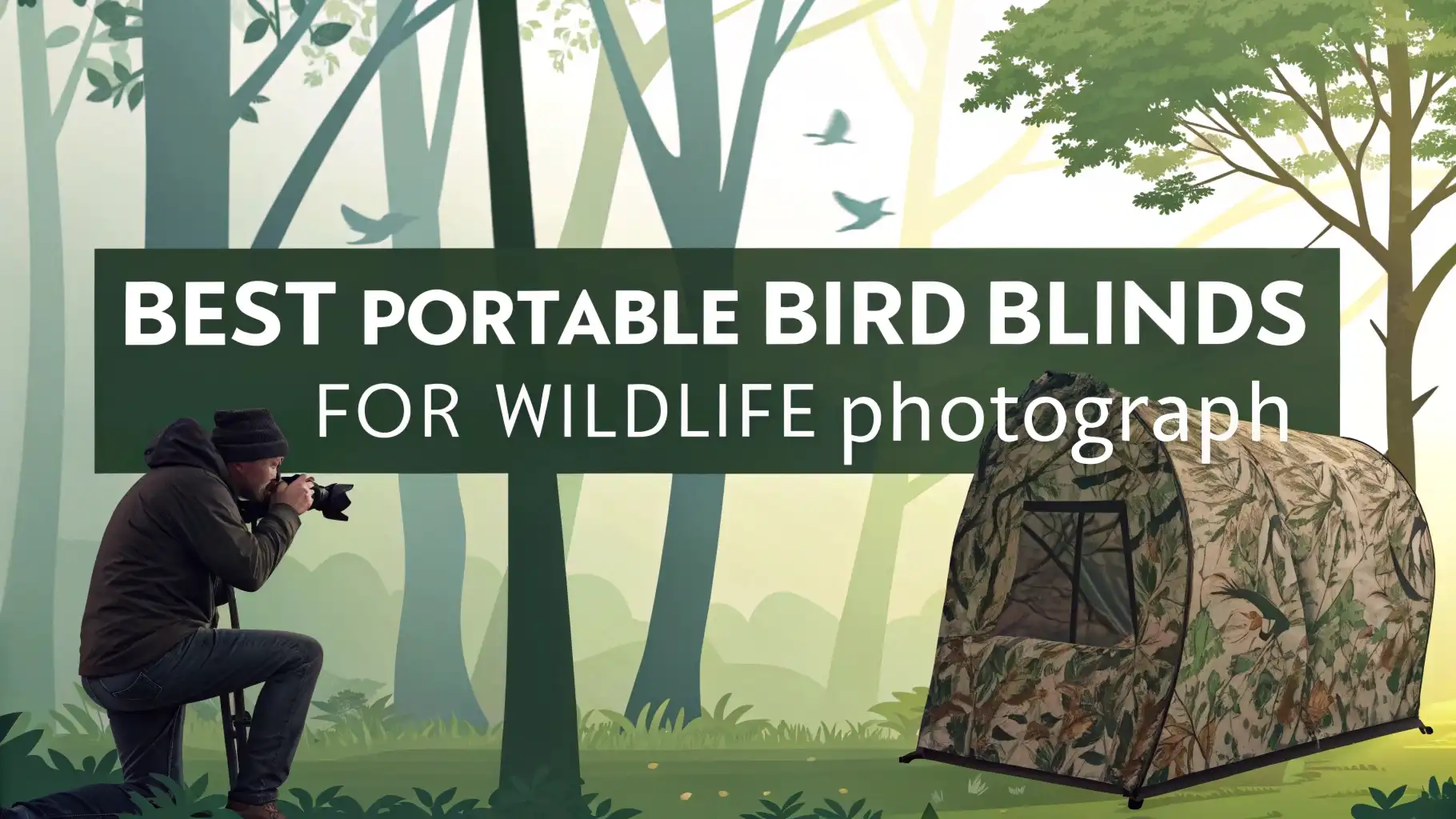
7 Best Portable Bird Blinds for Wildlife Photography in 2026
Getting close to wild birds without disturbing them can feel impossible. You spend hours waiting in the perfect location, but the moment you raise your camera, your feathered subjects fly away.
This frustration ends when you discover the power of portable bird blinds. These clever concealment tools let you photograph birds in their natural behavior, creating intimate portraits that truly capture the magic of wildlife.
This guide explores the top seven portable bird blinds available on Amazon in 2026. Each option serves different photography styles, from budget-friendly pop-up designs to premium photography-specific models.
Key Takeaways
- Understanding your photography needs helps you choose the perfect blind. Consider factors like portability, setup time, interior space, and how many shooting windows you need before making your purchase.
- Pop-up blinds offer the fastest deployment, usually taking less than two minutes to set up. These designs work great for photographers who move between locations frequently or want flexibility in the field.
- Photography-specific blinds provide superior features compared to standard hunting blinds. Look for customizable lens ports, quieter fabric materials, reinforced construction, and better ventilation systems that reduce lens fogging.
- Proper blind placement requires patience and planning. Set up your blind several days before your planned photography session so wildlife becomes accustomed to seeing it as part of the landscape.
- Weather resistance protects both you and your expensive camera gear. Quality blinds feature water-resistant fabrics, sealed seams, and sturdy frame construction that withstands wind and rain during extended shooting sessions.
RHINO Blinds R75 Ground Blind

The RHINO Blinds R75 stands as a solid entry point for photographers new to using blinds. This two-person design provides enough interior space for you and all your camera equipment without feeling cramped during long photography sessions.
Setup takes less than 90 seconds thanks to the hub-style frame system. The blind pops open quickly, letting you get into position before sunrise when birds are most active. The 75-inch height gives you comfortable headroom whether you’re sitting on a stool or standing to adjust your tripod position.
Five shooting windows with silent slide closures let you adjust your angles without creating noise that might scare birds away. The see-through mesh panels allow you to monitor bird activity around your location while remaining concealed inside. This feature proves especially valuable when tracking fast-moving species that might approach from unexpected directions.
Pros:
Fast setup time under two minutes
Affordable price point for beginners
Silent window closures prevent startling wildlife
Spacious two-person capacity
Lightweight at approximately 18 pounds
Cons:
Not specifically designed for photography use
Limited customization for lens ports
Fabric may be noisier than premium options
Camouflage pattern less effective in certain environments
Requires staking in windy conditions
Tragopan Hokki Ground Photography Blind V3

Tragopan builds blinds specifically for wildlife photographers, and the Hokki V3 represents their expertise beautifully. This premium ground blind features reinforced fabric construction that outperforms standard hunting blind materials in durability and quietness.
The hub system allows incredibly fast deployment while maintaining structural stability. Unlike cheaper alternatives that might collapse in moderate wind, the Hokki V3 stays firmly in place thanks to its engineered frame design. The blind stands 59 inches tall and provides 52 inches of interior width, giving you comfortable working space without excess bulk.
Customizable shooting windows set this blind apart from hunting-focused alternatives. You can position lens sleeves at various heights and angles, accommodating different camera setups and shooting preferences. The sleeves fit telephoto lenses comfortably while maintaining concealment around the lens barrel.
Ventilation ports reduce internal condensation that could fog your lens during early morning shoots. The two-layer window design combines mesh screening with solid flaps, letting you control visibility and airflow independently. Interior pockets keep memory cards, batteries, and accessories organized and within easy reach.
Pros:
Purpose-built for wildlife photography
Excellent build quality and durable materials
Multiple customizable lens ports
Superior wind resistance
Quiet fabric minimizes disturbance
Cons:
Higher price point than hunting blinds
Heavier than ultra-lightweight options
Limited color/camo pattern choices
May require practice for optimal setup
Less spacious than larger two-person models
TIDEWE Hunting Blind 270 Degree See Through

The TIDEWE blind brings exceptional visibility through its 270-degree see-through mesh panels. This design lets you track bird movements across a wide field of view while staying completely hidden inside the blind.
Three shooting window options give you flexibility for different photography scenarios. You can shoot from the front, sides, or even diagonally, adapting to wherever birds decide to land. The windows feature silent magnetic closures that eliminate the velcro ripping sounds that often scare wildlife.
Interior space accommodates two photographers comfortably or one photographer with extensive gear. The 67-inch height provides ample headroom for standing shots, while the floor dimensions of 65 x 65 inches give you room to move without constantly bumping equipment.
The blackened interior fabric reduces light reflection that might catch a bird’s attention. This thoughtful detail helps maintain concealment even when sun angles change throughout the day. The mesh panels are fine enough to obscure your silhouette while remaining transparent enough for clear observation.
Pros:
Excellent 270-degree visibility
Silent magnetic window closures
Spacious interior for gear
Blackened interior reduces detection
Strong customer reviews and ratings
Cons:
Forest camo may not suit all environments
Setup requires more time than simpler designs
Heavier than minimalist blinds
See-through panels visible if backlit
May feel warm in direct summer sun
LensCoat Camouflage Tripod Cover Blind

LensCoat takes a completely different approach to concealment with their lightweight tripod cover system. Instead of a traditional tent-style blind, this design drapes over your camera, tripod, and upper body while you shoot.
Realtree Max5 camouflage pattern works effectively in wetland and grassland environments where waterfowl photography takes place. The fabric features realistic texture that breaks up the distinctive shape of camera equipment that birds quickly learn to recognize and avoid.
Setup requires almost no time since you simply drape the cover over your existing tripod. This simplicity makes the LensCoat ideal for photographers who move frequently or practice run-and-gun wildlife photography techniques. You can reposition quickly when birds move to different perches or locations.
The lightweight construction weighs minimal pounds, making this option perfect for long hikes into remote areas where every ounce matters. The compact storage size fits easily into camera bags without consuming valuable space needed for lenses and accessories.
Pros:
Extremely lightweight and portable
Fast deployment and repositioning
Compact storage size
Works with existing tripod
Effective camouflage pattern
Cons:
Provides less concealment than full blinds
Requires natural cover for best results
No weather protection
Limited interior space
Not suitable for all photography situations
Guide Gear HuntRite Deluxe 4-Panel Blind

The Guide Gear HuntRite offers a budget-friendly four-panel design that provides solid performance without premium pricing. This blind uses a panel system rather than a full tent, creating a barrier between you and your subjects while maintaining portability.
Spring steel construction gives the panels structure while keeping them flexible enough to fold flat for transport. Each panel measures 27 inches high and 10 inches long when deployed, creating an effective visual barrier around your shooting position.
Setup involves unfolding the panels and arranging them around your location. You can configure the panels in various shapes depending on terrain and approach angles. This flexibility lets you adapt to different photography situations, from creek banks to field edges.
The two-person capacity means you can bring a fellow photographer or have extra space for gear. Shooting windows in each panel provide multiple angle options, and the windows close with quiet fabric ties. The Realtree Edge camouflage pattern works across diverse environments from forests to grasslands.
Pros:
Affordable pricing
Flexible panel configuration
Good two-person capacity
Multiple shooting windows
Quiet fabric material
Cons:
Setup takes longer than pop-up designs
Less weather protection than enclosed blinds
Requires careful placement for full concealment
Panels may shift in strong wind
Not as durable as premium options
Ameristep Doghouse Hunting Ground Blind

Ameristep designed the Doghouse for hunters, but photographers discover it works admirably for bird photography at an accessible price point. The blind provides complete enclosure while remaining light enough for one person to carry into the field comfortably.
Hub-style frame construction enables quick setup that takes approximately two minutes. The frame pops open automatically, and you simply secure the fabric corners with ground stakes. The 60 x 60-inch footprint gives you adequate interior space without excessive bulk.
Five shoot-through windows covered with mesh provide shooting flexibility from multiple angles. You can leave windows open for ventilation or close them with quiet fabric ties when birds approach close to your position. The 67-inch height allows comfortable movement inside without hunching.
Mossy Oak Break-Up Country camouflage works effectively in woodland and field edge environments where many bird species feed and nest. The pattern breaks up the blind’s outline against varied backgrounds, helping it blend naturally into landscapes.
Pros:
Fast two-minute setup
Lightweight and portable
Five shooting windows
Effective camouflage pattern
Budget-friendly price
Cons:
Hunting-focused rather than photography-specific
Less durable fabric than premium blinds
Limited customization options
Windows not optimized for large lenses
May require additional weatherproofing
Budget Pick: Ameristep Throwdown Ground Blind

The Ameristep Throwdown represents the most affordable option for photographers wanting to experiment with blind photography without significant investment. This three-panel design provides essential concealment in an ultra-compact package.
Die-cut leaf patterns create realistic texture that blends effectively into natural environments. The 3D construction adds depth to the camouflage, making the blind less likely to stand out as an artificial structure. Each panel folds flat for transport and storage.
Setup takes minimal time since you simply unfold the panels and position them around your shooting location. The lightweight construction means you can easily reposition the blind if birds favor a different area than you anticipated. Ground stakes keep the panels secure in light wind.
This blind works best for photographers who combine it with natural cover like fallen logs, rock formations, or existing vegetation. The panels create concealment from specific angles rather than complete 360-degree enclosure. Strategic positioning maximizes effectiveness while maintaining the ultra-light weight advantage.
Pros:
Very affordable price point
Ultra-lightweight design
Quick setup and repositioning
Compact storage
Realistic 3D leaf pattern
Cons:
Limited weather protection
Less concealment than enclosed blinds
Small size restricts gear space
Not suitable for extended sessions
Panels may blow over in wind
Understanding Bird Blind Photography
Bird blinds transform how you approach wildlife photography by removing the human element that makes birds nervous. When you work from inside a blind, birds behave naturally rather than staying alert and ready to flee. This natural behavior creates opportunities for unique images showing feeding, preening, and social interactions.
Successful blind photography requires patience and planning. Birds need time to accept a new structure in their environment. Set up your blind at least three to seven days before you plan to photograph from it. This waiting period lets birds investigate the blind, determine it poses no threat, and resume normal activities nearby.
Choose blind locations strategically based on bird behavior patterns. Look for feeding areas, water sources, and favored perches where birds naturally congregate. Position your blind close enough for good images but far enough to avoid disturbing nesting or feeding activities. Morning light often provides the best illumination, so face your blind eastward when possible.
What Features Matter Most
Shooting window design dramatically impacts photography results. Look for windows that position at comfortable heights for your typical shooting stance. Adjustable or multiple window options let you adapt to different situations. Windows should open and close silently since loud velcro or zipper sounds instantly alert nearby birds.
Interior space determines comfort during extended photography sessions. Calculate space for your tripod, camera bag, seating, and personal items. Remember that you’ll spend hours inside the blind, so adequate room prevents cramping and allows position changes without disturbing the blind’s exterior.
Fabric quality affects both concealment and durability. High-quality materials resist tearing, block wind better, and create less noise when brushed against. Photography-specific blinds often use superior fabrics compared to hunting blinds, though they cost more. Consider how frequently you’ll use the blind when evaluating fabric investment.
Setting Up Your Bird Blind Effectively
Blind placement requires careful observation of bird behavior before setup. Spend time watching where birds feed, drink, and perch naturally. Look for consistent patterns over multiple days rather than relying on single observations. Birds follow regular routines, and placing your blind along these routes increases photography opportunities.
Natural features around your blind help it blend into environments. Position blinds near trees, bushes, or rock formations that break up the artificial shape. Avoid placing blinds in open areas where they stand out obviously. Some photographers add natural materials like branches or grass around blind bases to improve concealment.
Distance considerations balance getting close enough for good images while maintaining enough space that birds feel comfortable. Start with conservative distances, then gradually move blinds closer over subsequent setups if birds show no stress. Different species have different comfort zones, so research your target birds beforehand.
Blind Photography Tips and Techniques
Silent equipment handling prevents disturbing birds during photography. Practice changing camera settings quietly. Use electronic shutters or silent modes if your camera offers them. Avoid quick movements inside the blind that might create visible shadows or fabric movement birds notice.
Lens positioning through blind windows requires careful technique. Rest your lens on bean bags or cushions rather than pushing it through windows. This approach reduces lens shake while preventing the lens barrel from protruding too far outside the blind. Birds detect foreign objects more easily than human shapes.
Lighting challenges inside blinds require adjusting your camera settings. Blinds create shade that contrasts with bright exterior light. Your camera’s meter may struggle with this contrast, so shoot in manual mode. Check images frequently for proper exposure, especially during changing morning light.
Care and Maintenance of Your Blind
Proper drying after each use prevents mold and fabric deterioration. Set up your blind at home and let it air dry completely before storage. Pay special attention to corners and seams where moisture collects. Never store a wet blind since moisture causes mildew and fabric weakening.
Regular cleaning removes dirt, pollen, and debris that accumulate during field use. Brush off loose material with a soft brush. Spot clean stains with mild soap and water. Avoid harsh detergents that might damage waterproof coatings or fade camouflage patterns.
Frame inspection should happen before each use. Check hub connections, poles, and joints for damage or wear. Bent poles affect setup and stability. Replace damaged frame components immediately rather than forcing them to work. Many manufacturers sell replacement parts for popular blind models.
Fabric repairs address small tears before they become major problems. Patch small holes with repair tape designed for outdoor gear. Sew larger tears with heavy-duty thread. Reinforcing stress points like window corners prevents future damage in these high-wear areas.
Frequently Asked Questions
How long should I leave my blind in one location before photographing?
You should set up your blind at least three to seven days before your planned photography session. This waiting period allows birds to investigate the new structure, determine it poses no threat, and resume their normal behaviors. Some particularly nervous species may require even longer acclimation periods. The patience you invest in proper blind placement pays off with natural bird behavior and better photography opportunities.
Can I use hunting blinds for bird photography or do I need photography-specific models?
Hunting blinds work adequately for bird photography, especially when you’re starting out or working within budget constraints. However, photography-specific blinds offer significant advantages including quieter fabrics, customizable lens ports, better ventilation, and more durable construction. The choice depends on how seriously you pursue bird photography and how often you’ll use the blind. Casual photographers often succeed with hunting blinds, while professionals benefit from photography-specific features.
What is the ideal size blind for solo bird photography?
Solo photographers typically need blinds measuring at least 48 x 48 inches in floor space to accommodate a tripod, camera bag, and comfortable seating. Height should reach at least 60 inches for sitting positions or 75 inches if you prefer standing while shooting. Larger blinds provide more comfort during extended sessions but sacrifice portability. Consider your typical photography duration and travel requirements when selecting blind size.
How do I prevent condensation from fogging my lens inside a blind?
Preventing lens fog requires adequate ventilation inside your blind. Choose blinds with built-in ventilation ports or crack windows slightly to maintain airflow. Avoid breathing directly toward your lens. Some photographers use anti-fog lens cloths or chemical treatments on front elements. Letting your camera acclimate to ambient temperature before sealing the blind completely also reduces condensation issues.
Do different bird species require different blind approaches?
Yes, bird species vary significantly in their wariness and comfort distances. Waterfowl often tolerate closer blinds than raptors. Songbirds fall somewhere in between. Research your target species before setting up blinds. Some birds, like herons and egrets, may accept blinds within 20 feet, while hawks might require 100 feet or more. Adjust your blind placement and approach based on species-specific behavior patterns.
Should I add natural vegetation to my blind for better concealment?
Adding local vegetation significantly improves blind concealment by helping it blend with specific environments. Stick small branches, grass, or leaves into fabric loops or seams. Replace vegetation periodically as it dies and changes color. This brush-in technique works especially well in locations where generic camouflage patterns don’t match perfectly. The extra effort substantially increases your blind’s effectiveness.
Can I move my blind between photography sessions?
Moving blinds between sessions works fine, but remember that each new location requires an acclimation period for birds. If you frequently photograph different locations, consider investing in multiple inexpensive blinds rather than moving one blind repeatedly. This approach lets you maintain setups at various sites while avoiding the setup and acclimation delays each time you move.
What time should I enter my blind for morning photography?
Enter your blind at least 30 minutes before sunrise, preferably in complete darkness. This timing ensures you’re concealed before birds become active. Bring a small flashlight with a red filter for arranging gear without disturbing your night vision. Entering early feels difficult, especially in winter, but results in significantly better photography opportunities as morning light develops.
Hello, I’m Amelia White, the founder of birdsfanatic.com. As a lifelong bird enthusiast and spiritual seeker, I’ve always been fascinated by the mystical connections between birds and the human experience. On this site, I share my knowledge and insights into the symbolic meanings and spiritual significance of various bird species, exploring their roles in mythology, folklore, and cultural traditions. Join me on this journey into the world of birds, where we’ll discover the hidden wisdom and guidance that these magnificent creatures have to offer.