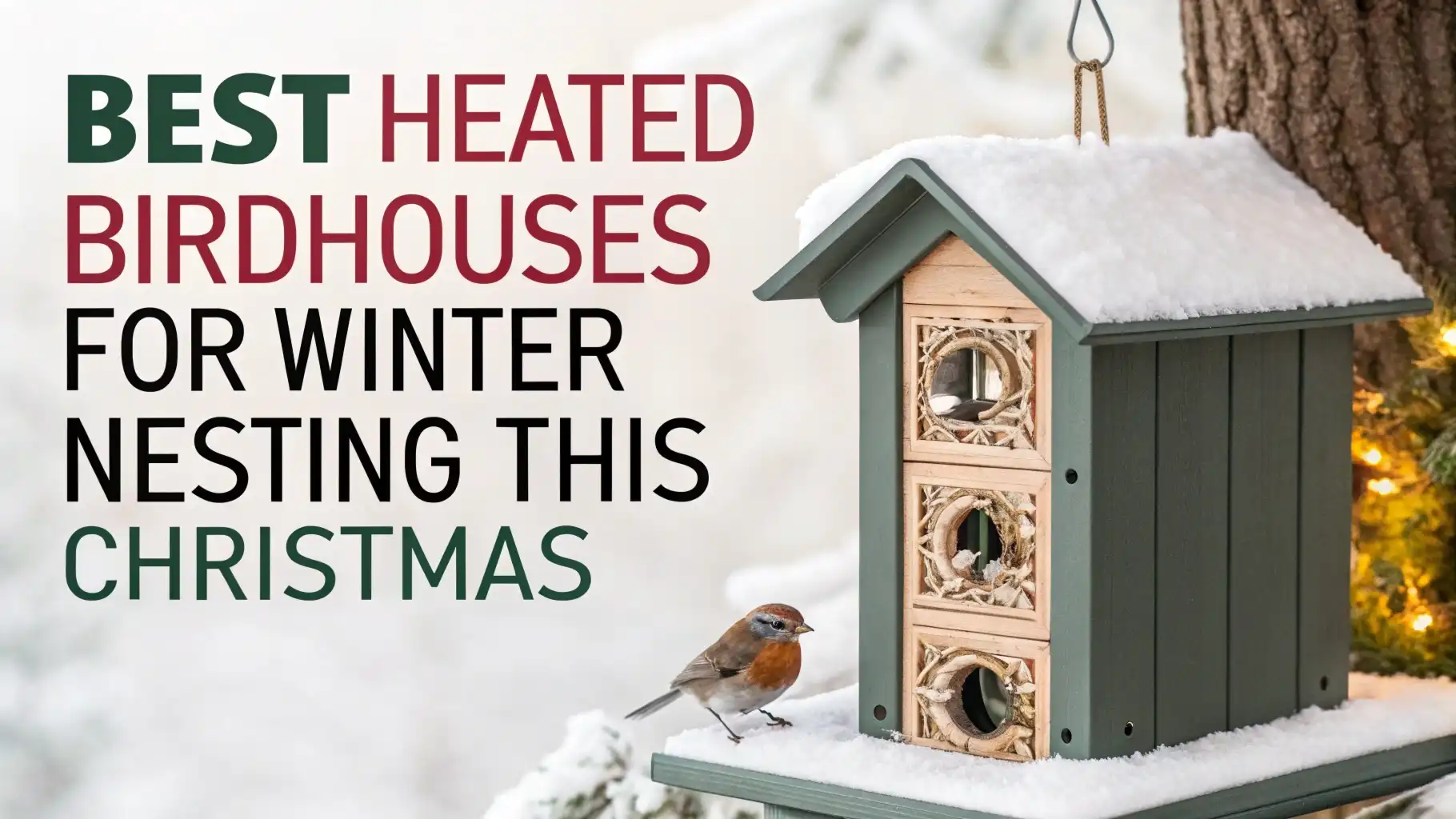
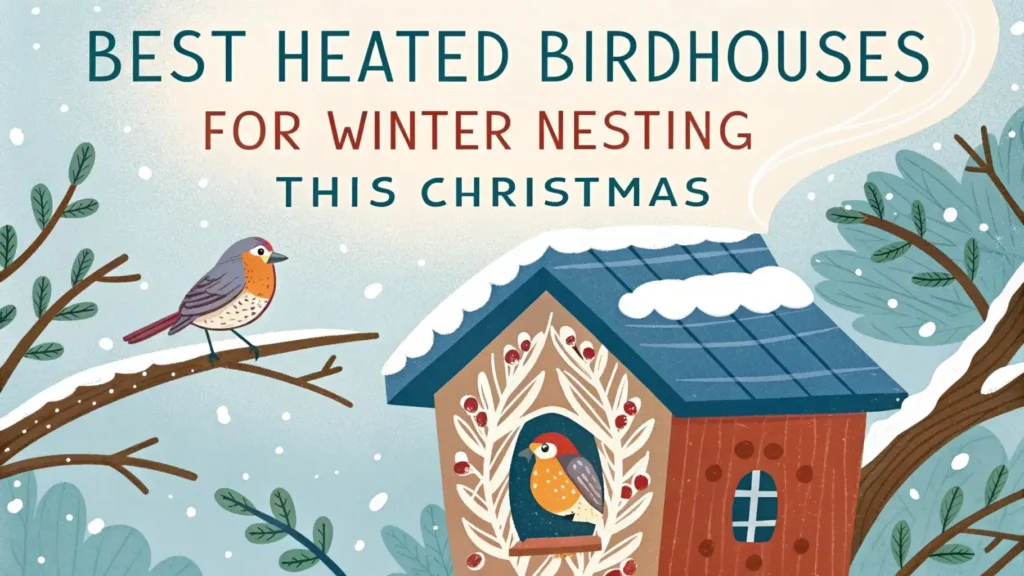
7 Best Heated Birdhouses for Winter Nesting This Christmas
Winter brings magical snowfall and festive cheer, but it also creates serious challenges for our backyard birds. As temperatures drop and food becomes scarce, birds need safe, warm shelters to survive the harsh winter months.
This Christmas season, you can make a real difference by providing heated birdhouses that offer protection from freezing temperatures, wind, and predators.
This guide explores the best heated birdhouses available on Amazon right now, helping you choose the perfect option for your backyard friends this holiday season.
Key Takeaways:
- Survival Essential for Winter Birds: Heated birdhouses provide critical warmth and protection during freezing temperatures. Birds can lose dangerous amounts of body heat overnight, and these specialized shelters help them conserve energy and survive harsh winter conditions.
- Different from Spring Nesting Boxes: Winter roosting boxes feature thicker insulation, fewer ventilation holes, and internal perches positioned higher in the box. Multiple birds often share the same shelter at night, huddling together for warmth.
- Key Features to Look For: The best winter birdhouses include one-inch thick walls for insulation, entrance holes positioned near the bottom to trap rising warm air, predator guards, and easy-access cleaning panels. Cedar and pine construction materials offer natural weather resistance and insulation.
- Multiple Birds Use One Box: Unlike spring nesting when birds are territorial, winter survival encourages cooperation. You might find five to fifteen birds sharing a single roosting box on extremely cold nights, creating a communal heating system with their combined body warmth.
- Installation Timing Matters: Put up winter roosting boxes in early fall before the first frost so birds can discover and become familiar with the shelter. Position boxes in protected locations away from prevailing winter winds, facing southeast for morning sun exposure.
- Year Round Benefits: Many heated birdhouses feature convertible designs that work as roosting boxes in winter and nesting boxes in spring. This versatility makes them excellent investments for year-round bird support.
Woodlink Cedar Winter Roosting Box

The Woodlink Cedar Winter Roosting Box stands out as a traditional favorite among bird enthusiasts.
This shelter features solid cedar construction that naturally resists weather damage. The thick cedar walls provide excellent insulation against cold temperatures. Multiple internal perches allow several birds to roost together comfortably.
The entrance hole positions near the bottom of the box. This smart design captures rising warm air inside the shelter. Chickadees, nuthatches, titmice, and small woodpeckers readily use this roosting box throughout winter months. The natural cedar aroma actually helps repel insects while attracting birds to the shelter.
Installation proves simple with the included mounting bracket. You can attach this box to trees, posts, or building walls. The front panel opens for easy seasonal cleaning. Cedar naturally weathers to an attractive gray patina over time. This box provides reliable winter protection year after year without requiring paint or staining.
Pros:
Solid cedar construction offers natural weather resistance and insulation
Multiple internal perches accommodate several roosting birds
Bottom entrance hole design traps warm air effectively
Easy front panel access for cleaning between seasons
Attractive natural wood appearance that ages beautifully
Cons:
Higher price point compared to basic birdhouses
No integrated heating element for extreme cold climates
Requires annual cleaning and maintenance checks
Limited color options with natural cedar finish
Coveside Small Winter Roost Bird House

The Coveside Small Winter Roost represents premium craftsmanship made in the USA. This shelter features one-inch thick eastern white pine walls that deliver superior insulation. The slate predator guard adds an extra layer of protection. Internal ladder-style perches give roosting birds secure footing through the night.
Handcrafted quality shows in every detail of this roosting box. The thick walls create significant thermal mass that helps regulate interior temperatures. Wrens, chickadees, titmice, and bluebirds find this shelter particularly appealing. The natural pine construction provides both strength and insulation properties.
The entrance hole includes a protective slate guard that prevents predators from reaching inside. This feature gives roosting birds important security during vulnerable nighttime hours. The lift-out front panel makes spring cleaning quick and easy. Premium materials ensure this roosting box withstands many seasons of harsh weather.
Pros:
Extra thick one-inch pine walls provide superior insulation
Slate predator guard offers enhanced security
Internal ladder perches accommodate multiple birds safely
Handcrafted USA construction ensures quality durability
Suitable for various small cavity-nesting bird species
Cons:
Premium pricing reflects handcrafted construction
Heavier weight requires sturdy mounting location
Natural wood requires occasional maintenance
Limited to smaller bird species by design
Convertible Winter Roost and Birdhouse

This innovative design from Coveside offers year-round functionality. The reversible front panel converts between roosting mode and nesting mode. During winter, the entrance hole positions low to trap warm air. In spring, you flip the panel so the entrance sits higher for nesting birds.
One-inch thick pine construction delivers excellent insulation throughout all seasons. The rough-sawn interior gives baby birds grip for climbing out during spring. Internal perches provide secure roosting spots during winter nights. This versatility makes it an exceptional value for year-round bird support.
The five-inch square interior floor provides adequate space for multiple roosting birds or a single nesting pair. Made in Maine by skilled craftspeople, this box combines practical function with durable construction. The front panel tilts out completely for thorough seasonal cleaning.
Pros:
Unique convertible design works for both winter roosting and spring nesting
Thick one-inch pine walls provide four-season insulation
Handcrafted quality construction made in USA
Easy conversion between modes with reversible panel
Rough-sawn interior helps fledglings climb during nesting season
Cons:
Higher initial investment than single-purpose boxes
Requires manual panel reversal between seasons
Natural wood needs periodic weatherproofing treatment
May need seasonal cleaning twice yearly for dual use
Prime Retreat Horizontal Winter Roost

The Prime Retreat takes a different approach with its horizontal orientation. This design features dual 1.5-inch entry holes that allow multiple access points.
The spacious interior accommodates more birds than traditional vertical boxes. Internal perches run horizontally, providing ample roosting space for groups.
The lift-open front panel gives excellent access for cleaning and monitoring. Quality wooden construction combines durability with natural insulation.
Bluebirds and various songbird species particularly appreciate this generous shelter design. The horizontal layout also reduces territorial disputes among roosting birds.
Mounting hardware comes included for easy installation. You can place this roost on posts, walls, or sturdy tree trunks. The larger capacity makes it ideal for locations with higher bird populations. Multiple families might share this roost during extremely cold weather events.
Pros:
Unique horizontal design provides spacious interior
Dual entry holes accommodate more birds simultaneously
Large capacity ideal for multiple bird families
Lift-open front allows easy inspection and cleaning
Well-suited for bluebirds and medium-sized songbirds
Cons:
Larger size requires more substantial mounting location
Higher price point reflects generous dimensions
Horizontal orientation may not suit all installation locations
Heavier construction needs strong support structure
Nature’s Way Cedar Bluebird Box House


This classic cedar birdhouse offers excellent value with proven performance. While designed primarily for bluebirds, it functions effectively as winter shelter for various species. The natural cedar construction resists rot and insect damage naturally. Drainage holes and ventilation slots balance moisture control with heat retention.
The front panel swings open for easy access. This feature simplifies cleaning between nesting and roosting seasons. Proper sizing makes it attractive to bluebirds, tree swallows, and chickadees. The predator guard around the entrance hole provides added security.
Thousands of positive reviews confirm this birdhouse’s reliability across different climates. The affordable price makes it accessible for people wanting to help multiple birds. You can install several boxes throughout your property without breaking your budget. Cedar’s natural properties improve with age and weathering.
Pros:
Affordable price allows purchasing multiple units
Solid cedar construction offers natural weather resistance
Proven design trusted by thousands of bird enthusiasts
Easy-access front panel simplifies maintenance
Suitable for bluebirds, chickadees, and small songbirds
Cons:
Thinner walls compared to specialized roosting boxes
Standard ventilation may allow more heat loss in extreme cold
Requires mounting hardware purchased separately
Basic design lacks advanced features of premium models
Thick Cedar Bird House with Metal Predator Guard

This modern birdhouse features three-quarter inch thick cedar walls that provide better insulation than standard designs. The integrated metal predator guard encircles the entrance hole. This protective ring prevents squirrels, raccoons, and cats from enlarging the opening or reaching inside.
Easy cleaning design includes a side panel that opens smoothly. The thick cedar construction offers substantial weather protection. Internal dimensions accommodate various species including bluebirds, wrens, chickadees, and swallows. The natural wood appearance blends beautifully into outdoor settings.
Quality hardware ensures secure mounting to posts, trees, or building surfaces. The predator guard adds significant value for the price point. Cedar naturally repels insects while maintaining structural integrity through years of exposure. This box represents excellent quality at a mid-range price.
Pros:
Extra thick three-quarter inch cedar walls improve insulation
Metal predator guard provides superior entrance protection
Side-opening panel makes cleaning convenient
Versatile sizing works for multiple bird species
Natural cedar offers long-lasting weather resistance
Cons:
Not specifically designed as winter roosting box
Standard ventilation design may lose heat faster
Thicker walls add weight requiring sturdy mounting
Metal guard may conduct cold in extreme temperatures
Best Two-Pack Bird Houses for Outside

This value pack includes two complete cedar birdhouses with copper predator guards. The attractive copper accents add visual appeal while protecting residents. Cedar construction ensures both units withstand years of outdoor exposure. This set proves ideal for properties with space for multiple bird families.
Each house features proper sizing for bluebirds, finches, swallows, wrens, and chickadees. The copper guards develop an attractive patina over time.
Assembly required design means you need basic tools, but construction remains straightforward. Setting up multiple houses increases your chances of attracting different bird species.
The affordable two-pack pricing delivers exceptional value. You can position these houses in different yard locations to avoid territorial conflicts.
Multiple shelters also provide backup options during severe weather. Cedar naturally resists moisture damage and insect problems without chemical treatments.
Pros:
Two-pack provides excellent value for the investment
Attractive copper predator guards add visual appeal
Quality cedar construction on both units
Suitable for various popular backyard bird species
Multiple houses reduce territorial competition
Cons:
Requires assembly with basic tools
Standard wall thickness offers moderate insulation
Not specifically designed for winter roosting function
Copper guards need occasional cleaning to maintain appearance
Maintenance Tips for Winter Birdhouses
Proper maintenance ensures your heated birdhouses function effectively season after season. Clean all boxes thoroughly in late summer before roosting season begins. Remove old nesting materials, debris, and parasites. A mild bleach solution (one part bleach to nine parts water) sanitizes interiors effectively.
Check mounting hardware and structural integrity before winter arrives. Tighten loose screws and replace damaged parts. Ensure entrance holes remain the proper size. Apply weatherproofing treatment to natural wood exteriors if needed, but never paint or stain interiors.
Inspect boxes periodically throughout winter without disturbing roosting birds. Look for signs of predator damage or structural problems. After severe storms, verify boxes remain securely mounted and waterproof. Address any issues promptly to maintain safe shelter conditions.
In early spring, clean boxes again before nesting season starts. This timing prevents old roosting materials from harboring parasites that might affect nesting birds. Store summer ventilation panels safely if using convertible designs. Regular maintenance protects your investment while ensuring optimal bird safety.
Understanding Roosting Behavior in Winter
Bird roosting patterns differ significantly from nesting behavior. During breeding season, birds defend territories aggressively. But winter survival encourages cooperation. Multiple birds commonly share single roosting boxes, sometimes packing in fifteen or more individuals on extremely cold nights.
Birds enter roosting boxes at dusk and remain inside until dawn. They position themselves on internal perches with fluffed feathers. This fluffing traps insulating air layers next to their skin. Body heat from multiple birds creates a warmer interior microclimate that benefits everyone.
Different species exhibit varying roosting preferences. Chickadees readily share spaces with other chickadees. Bluebirds often roost in family groups. Woodpeckers typically prefer solitary roosting. Understanding these patterns helps you provide appropriate box quantities and designs.
Some birds rotate roosting locations rather than using the same box nightly. This behavior may reduce parasite exposure. Providing multiple roosting options accommodates these preferences. Observe which boxes birds favor and consider adding similar designs in your yard.
Additional Winter Bird Care Strategies
Supporting winter birds extends beyond providing heated birdhouses. Consistent food supplies prove crucial during months when natural foods become scarce. Offer high-energy foods like suet, black oil sunflower seeds, and peanuts. These calorie-dense options help birds maintain body heat.
Timing matters for winter feeding programs. Start supplemental feeding in late fall before natural food sources disappear. Maintain consistent feeding schedules throughout winter. Birds learn to depend on reliable food sources and adjust their daily routines accordingly.
Create layered habitat with varied vegetation heights. Leave seed heads standing on native plants through winter. These provide natural food while creating shelter from wind. Dead plant stalks harbor overwintering insects that birds need for protein.
Reduce window strikes by applying decals or screens. Winter birds sometimes become disoriented during storms and collide with reflective glass. Window strikes cause significant mortality that simple prevention measures can reduce dramatically.
Choosing the Right Size Birdhouse
Different bird species require specific entrance hole sizes and interior dimensions. Proper sizing determines which species will use your roosting boxes. Smaller holes exclude larger predators while accommodating target bird species.
Chickadees, nuthatches, and titmice need 1.25-inch entrance holes. Bluebirds, tree swallows, and wrens prefer 1.5-inch openings. Larger birds like flickers require 2.5-inch holes. Match your birdhouse specifications to the species you want to attract and support.
Interior floor dimensions also matter for comfort and capacity. Five-inch square floors accommodate multiple small birds or single pairs of medium-sized species. Larger interior spaces allow more birds but may lose heat faster. Balance capacity needs with thermal efficiency.
Depth matters too for winter roosting. Deeper boxes provide more vertical space for perches at different heights. Ten to twelve-inch depths work well for most small to medium songbirds. Ensure perches position at least three inches above the entrance hole.
Where to Position Winter Birdhouses
Strategic placement maximizes birdhouse effectiveness. Select locations that balance accessibility, protection, and visibility. Mount boxes where you can observe bird activity without disturbing residents. This allows monitoring while providing entertainment and education.
Avoid placing roosting boxes in full sun exposure. While morning sun provides beneficial warming, all-day direct sunlight can overheat interiors even in winter. Partial shade or dappled light offers better temperature regulation. East or southeast orientations capture gentle morning warmth.
Protection from prevailing winds significantly improves roosting box comfort. Position boxes behind windbreaks like buildings, evergreens, or hills. Reduced wind exposure helps birds conserve body heat and energy throughout cold nights.
Distance from human activity matters for some species. While chickadees tolerate nearby humans, bluebirds prefer more privacy. Space boxes according to the comfort levels of your target species. Most birds accept boxes within view of windows if household activity remains predictable.
FAQs
Do Birds Actually Use Birdhouses in Winter?
Yes, many bird species actively use birdhouses during winter months for overnight roosting. Cavity-nesting birds including chickadees, bluebirds, titmice, nuthatches, and small woodpeckers seek protected spaces to escape cold temperatures. Unlike summer nesting when birds defend territories, winter survival encourages communal roosting where multiple birds share warmth inside a single box. Research shows that birds using winter roosting boxes maintain better body condition and higher survival rates compared to birds without access to these shelters.
What Temperature is Too Cold for Birds?
Most backyard birds tolerate cold temperatures surprisingly well when they have adequate food and shelter. However, extended periods below 20 degrees Fahrenheit become challenging. Wind chill significantly increases danger by stripping away insulating air layers around feathers. Small birds like chickadees face the greatest challenges because their tiny bodies lose heat rapidly. Heated birdhouses become most critical during extreme cold snaps, ice storms, and nights following days when birds could not find sufficient food.
Should I Add Nesting Material to Winter Birdhouses?
Generally, do not add nesting material to winter roosting boxes. Birds will not use fluffy materials like fabric or cotton that can become damp and lose insulating properties. If you want to help, place a thin layer of wood chips or sawdust on the floor. This provides slight insulation from cold surfaces without creating moisture problems. Most birds prefer empty boxes where they can arrange themselves on perches. Their fluffed feathers provide superior insulation compared to any material you might add.
How Many Birds Can Fit in One Roosting Box?
The number varies by bird size and box dimensions. Small birds like chickadees can pack together tightly. Reports document up to 20 chickadees sharing a single box on extremely cold nights. Bluebirds typically roost in smaller family groups of five to eight individuals. Larger birds require more space and usually roost alone or in pairs. Standard five-inch square floor boxes comfortably accommodate eight to twelve small songbirds. Observe your boxes to learn how many birds use them in your specific location.
When Should I Put Up Winter Birdhouses?
Install winter roosting boxes in early fall, ideally by late September or early October. This timing allows birds to discover the boxes before cold weather arrives. Birds need time to explore and become comfortable with new roosting sites. They often investigate potential shelters during daytime before committing to overnight use. Earlier installation gives birds this crucial familiarization period. Even if you miss fall installation, adding boxes in winter still provides value since birds actively search for shelter throughout the cold season.
Can I Use Regular Birdhouses as Winter Shelters?
Regular birdhouses designed for spring nesting can serve as emergency winter shelters, but they function less effectively than purpose-built roosting boxes. Standard birdhouses have ventilation holes positioned to provide summer cooling that allows heat loss in winter. The entrance hole typically sits high rather than low, letting warm air escape. However, birds will use whatever shelter they find. If you have existing birdhouses, leave them available through winter. Consider plugging some ventilation holes temporarily or adding specialized roosting boxes for better winter protection.

Hello, I’m Amelia White, the founder of birdsfanatic.com. As a lifelong bird enthusiast and spiritual seeker, I’ve always been fascinated by the mystical connections between birds and the human experience. On this site, I share my knowledge and insights into the symbolic meanings and spiritual significance of various bird species, exploring their roles in mythology, folklore, and cultural traditions. Join me on this journey into the world of birds, where we’ll discover the hidden wisdom and guidance that these magnificent creatures have to offer.