7 Best Bird Netting for Fruit Trees That Keep Wildlife Safe in 2026
You work hard all season long to grow beautiful, ripe fruit on your trees. Then one morning you walk outside and discover that birds have eaten half your harvest.
This frustrating experience happens to gardeners everywhere. Bird netting offers a solution that protects your precious fruit while keeping our feathered friends safe and unharmed.
Finding the right bird netting makes all the difference. The wrong type can harm wildlife, tangle easily, or fall apart after one season. The best bird netting creates a gentle barrier that guides birds away from your fruit without trapping them.
Key Takeaways
- Mesh size matters most for safety. Wildlife-friendly netting should have openings between 5mm and 20mm. This size prevents birds and small animals from becoming trapped while still providing excellent protection. Avoid netting with very large holes that can entangle birds or netting so fine that it catches bees.
- Heavy-duty materials last multiple seasons. High-density polyethylene and nylon materials resist UV damage and weather conditions. Quality netting remains strong and reusable for three to five years, making it a smart investment. Look for products specifically labeled as UV-stabilized or commercial-grade for best longevity.
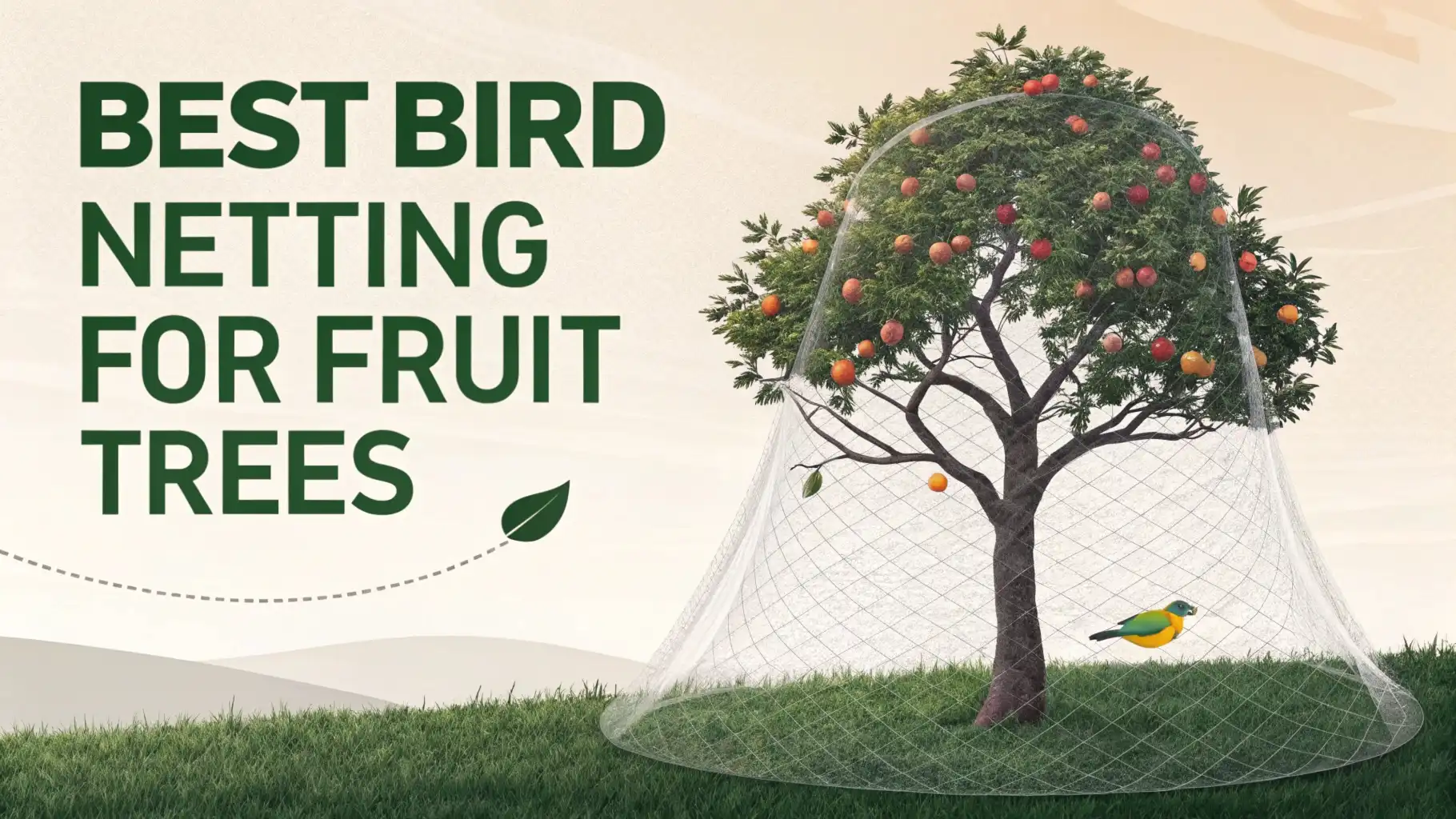
- Proper installation prevents wildlife injuries. Always drape netting over a frame or support structure rather than laying it directly on tree branches. Keep the netting taut and secured at ground level. Check your netting daily during peak season to ensure no animals have become caught.
- Reusable netting saves money and reduces waste. The best bird netting products can be folded, stored, and used season after season. Choose netting that does not tangle easily and comes with storage ties or bags for convenience.
- Size your netting correctly for full coverage. Measure your trees before purchasing. The netting should extend from the top of the canopy all the way to the ground with extra material for securing. Many gardeners underestimate the amount of netting needed and end up with gaps where birds can enter.
Bird Netting for Garden 13x20Ft Fruit Tree Protection

This Amazon’s Choice bird netting provides excellent value for small to medium fruit trees. The 13 by 20 feet dimensions work perfectly for standard backyard fruit trees.
The material uses a woven design that resists tangling, which makes installation and removal much easier than traditional netting. Many gardeners praise this product for its lightweight yet durable construction that lasts multiple growing seasons.
The black mesh color makes the netting visible to birds, helping them avoid flying into it. This visibility factor significantly reduces the risk of birds becoming trapped or injured.
The material allows proper air circulation and sunlight penetration while keeping hungry birds away from ripening fruit. You can cut this netting to custom sizes without worrying about unraveling at the edges.
The package includes everything you need for a quick setup. The reusable design means you can fold it up after harvest season and store it for next year. Customers report using the same netting for three to four seasons without significant wear. This product works well for cherries, blueberries, strawberries, and small fruit trees.
Pros:
- Affordable price point makes it accessible for most gardeners
- Does not tangle during installation or storage
- Lightweight design simplifies handling for one person
- Reusable for multiple growing seasons
- Black color provides bird visibility for safety
Cons:
- May need two packages for larger trees
- Mesh size might allow very small birds through
- No installation accessories included
OGORI Heavy Duty Nylon Bird Netting 25×25 Feet

The OGORI heavy-duty netting stands out for its commercial-grade nylon construction. The 25 by 25 feet size provides generous coverage for medium to large fruit trees.
The three-quarter inch mesh size stops all bird species while allowing beneficial insects and pollinators to access your trees. This balance between protection and pollination makes it ideal for fruit trees that need bee activity.
Nylon material offers superior strength compared to standard polyethylene netting. This product can withstand strong winds, heavy rain, and intense sunlight without degrading.
The UV-resistant treatment ensures the netting maintains its integrity season after season. Gardeners with exposed, windy locations especially appreciate the extra durability this netting provides.
The knitted construction prevents ripping and tearing. If a branch pokes through the netting, it pushes the mesh aside rather than creating a hole. This self-healing quality extends the life of your investment significantly. The netting remains soft and flexible even after years of use, making it easy to work with during installation.
Pros:
- Commercial-grade nylon provides exceptional durability
- Large 25×25 feet size covers substantial trees
- Three-quarter inch mesh balances protection and pollinator access
- UV-resistant treatment extends lifespan
- Knitted design prevents ripping and tearing
Cons:
- Higher price point than basic netting
- Heavier material requires more effort to install
- Overkill for very small trees or shrubs
Fruit Tree Netting with Two-Way Zipper and Drawstring

This innovative design revolutionizes how you access your fruit during harvest. The two-way zipper feature lets you walk right into the netted area without removing the entire cover. This convenience saves enormous amounts of time during harvest season. The drawstring at the base creates a tight seal that prevents birds from sneaking underneath.
The 6.4 by 6.4 feet dimensions work perfectly for dwarf fruit trees and berry bushes. The ultra-fine mesh not only blocks birds but also protects against insects, making it a dual-purpose solution.
Customers love using this product for protecting blueberry bushes, where both birds and Japanese beetles pose threats. The white mesh color provides excellent visibility for wildlife safety.
Installation takes just minutes thanks to the thoughtful design. Simply place the netting over your tree, zip it closed, and pull the drawstring tight at the base. The fine mesh construction remains breathable and lightweight so your tree receives adequate airflow. This product particularly shines for gardeners who need to access their trees daily for progressive harvesting.
Pros:
- Two-way zipper allows easy access without removing netting
- Drawstring creates secure ground seal
- Fine mesh blocks both birds and insects
- Quick and simple installation process
- Excellent customer reviews with 4.5 rating
Cons:
- Smaller size limits use to dwarf trees
- Fine mesh may trap beneficial insects if not monitored
- White color may show dirt over time
Large Garden Netting Set with Zipper 8×8 Feet

This two-pack offers outstanding value for gardeners with multiple fruit trees. Each piece measures 8 by 8 feet, providing ample coverage for standard fruit trees. The package design means you can protect two separate trees or combine both pieces for a single large tree. This flexibility makes it adaptable to changing garden needs over the years.
The zipper design matches the convenience of premium products but comes at a more accessible price. You can easily enter and exit the netted area for pruning, thinning, or harvesting.
The drawstring closure at the bottom keeps ground-dwelling animals like squirrels and rabbits away from fallen fruit. This feature prevents attracting unwanted wildlife to your garden.
The mesh construction uses durable polyethylene that resists weather damage. The material maintains its shape and strength through rain, wind, and sun exposure. Customers report that the netting stays soft and pliable rather than becoming brittle with age. The white color makes the barrier highly visible to birds, reducing collision risks.
Pros:
- Two-pack provides excellent value
- Zipper access for convenient harvesting
- Drawstring secures against ground animals
- Flexible size works for various tree types
- Good balance of quality and affordability
Cons:
- Some customers report zipper durability issues
- May need stakes to keep shape on windy days
- Instructions could be more detailed
AlpineReach Heavy Duty Garden Netting 7.5×100 Feet

The AlpineReach netting delivers professional-grade protection in an extra-long roll. The 7.5 by 100 feet dimensions give you tremendous flexibility in how you use the material.
You can cut custom pieces for multiple trees or create a large protective barrier over an entire garden section. The included zip ties make securing the netting to posts or frames simple and secure.
This product uses an extra-strong woven mesh that outperforms standard netting in strength tests. The tight weave prevents birds from pecking through while maintaining good visibility and airflow.
The black color blends naturally into garden settings and provides high visibility for wildlife. The material feels substantial in your hands, giving confidence that it will protect your harvest.
The reusable kit includes everything needed for professional installation. The zip ties allow you to create custom attachment points along fences, posts, or support structures.
Many commercial growers choose this product for its reliability and longevity. Home gardeners appreciate that they can create precisely the coverage they need without waste.
Pros:
- Extra-long 100-foot length provides maximum flexibility
- Heavy-duty woven mesh for superior strength
- Includes zip ties for professional installation
- Excellent customer rating of 4.4 with thousands of reviews
- Reusable kit design for multi-season use
Cons:
- Higher cost due to length and quality
- May have more material than small gardens need
- Requires cutting tools for customization
Heavy Duty Anti Bird Netting with Stakes 13×40 Feet

This complete kit removes all guesswork from installation. The package includes the netting, cable ties, and landscape staples in one convenient bundle.
The landscape staples secure the netting edges directly to the ground, creating an impenetrable barrier at the base. This comprehensive approach ensures birds cannot sneak under the edges of your protection.
The 13 by 40 feet dimensions work well for creating protective rows over garden beds or covering multiple small trees.
The heavy-duty mesh construction resists damage from pecking birds and climbing squirrels. The material maintains its flexibility in cold weather, which matters for gardeners in northern climates who install netting early or late in the season.
Pros:
- Complete kit with netting, ties, and landscape staples
- Heavy-duty mesh construction for durability
- Long 40-foot length covers large areas
- High 4.6 customer rating demonstrates satisfaction
- Stays flexible in various weather conditions
Cons:
- Landscape staples work best in soft soil
- Some customers want additional staples included
- Black color may absorb heat in very hot climates
KLEWEE Garden Netting 7.5×100 Feet Value Roll

The KLEWEE netting offers an exceptional balance of quality and affordability. The 100-foot length provides enough material to protect multiple fruit trees or create extensive garden barriers. Despite the generous size, the price remains accessible for most gardening budgets. This value proposition makes it popular among both new and experienced gardeners.
The mesh size effectively blocks birds, deer, and squirrels while allowing pollinators to pass through. The material uses UV-stabilized polyethylene that resists degradation from sunlight exposure.
This stabilization extends the functional life of the netting significantly compared to untreated alternatives. You can expect three to four seasons of reliable use from this product.
The lightweight design makes handling the long roll manageable for one person. You can easily cut sections to size without the edges fraying or unraveling. The versatile dimensions work for vertical barriers, overhead covers, or ground protection. Many gardeners use this netting for protecting vegetable gardens in addition to fruit trees.
Pros:
- Outstanding value for 100 feet of quality netting
- UV-stabilized for extended outdoor life
- Lightweight and easy to handle
- Versatile for multiple garden applications
- Solid 4.5 rating with over 1,300 reviews
Cons:
- May require support frame for large installations
- Not as heavy-duty as premium commercial options
- Storage of long roll can be challenging
Understanding Bird Netting Mesh Sizes
Mesh size determines both protection effectiveness and wildlife safety. The measurement refers to the size of the openings in the netting material. Smaller mesh sizes block more species but may trap beneficial insects. Larger mesh sizes allow pollinators through but might permit small birds to access your fruit.
Wildlife experts recommend mesh openings between 5mm and 20mm for optimal safety. This range prevents birds from getting their heads or wings caught in the netting. Mesh smaller than 5mm can trap bees, butterflies, and other beneficial insects. Mesh larger than 20mm allows many bird species to pass through and reach your fruit.
The most popular mesh size for fruit tree protection measures around three-quarters of an inch or 19mm. This dimension effectively blocks common fruit-eating birds like robins, starlings, and blackbirds. Bees and other pollinators can easily navigate through these openings. This sweet spot provides comprehensive protection without harming the ecosystem.
Installation Tips for Maximum Safety
Proper installation protects both your fruit and local wildlife. Never drape netting directly on tree branches or leaves. This contact allows birds to perch on the netting and peck through to reach fruit. The netting should suspend above the canopy with at least six inches of clearance from the outer branches.
Create a frame using stakes, poles, or existing structures. Drive stakes into the ground around your tree at distances matching your netting size. Connect the tops of these stakes to create a frame. Drape your netting over this frame, creating a tent-like structure over your tree. Secure the bottom edges to the ground using landscape staples or heavy objects.
Check your netting installation daily during active bird season. Look for any tears, gaps, or loose areas where birds might enter. Inspect for any trapped wildlife and release them immediately if found. Quick daily checks take just minutes but prevent serious problems from developing.
Color Choices and Wildlife Safety
Black netting provides the best visibility for birds and other wildlife. The dark color contrasts sharply against the sky, making the barrier obvious to flying birds. This visibility dramatically reduces collision injuries and entanglement. Black netting also blends naturally into garden settings, making it less visually intrusive.
White or light-colored netting shows dirt and debris more readily. However, some gardeners prefer white netting in very hot climates because it reflects heat rather than absorbing it. The lighter color may provide better visibility in shaded areas where black netting disappears against dark backgrounds.
Green netting offers a middle ground between visibility and aesthetics. The color blends with foliage while still providing reasonable contrast for bird safety. Some studies suggest birds perceive green netting more readily than clear or mesh-colored alternatives. This perception helps them avoid flying into the barrier.
Combining Netting with Other Bird Deterrents
Reflective tape or old CDs hung in trees create visual disturbance that discourages birds. Combine these deterrents with netting for enhanced protection. Place reflective objects on the outside of your netting to deter birds before they reach the barrier. This layered approach reduces pressure on your netting and improves overall effectiveness.
Predator decoys like plastic owls or hawks provide psychological deterrents. Move these decoys every few days so birds do not become accustomed to them. Position decoys near your netted trees for maximum impact. Real birds will avoid areas where they perceive predator presence.
Noise deterrents work well in combination with physical barriers. Wind chimes, aluminum pie plates, or electronic sound devices create an unwelcoming environment. Use these sparingly to avoid disturbing neighbors. The combination of barriers and deterrents creates multiple layers of protection that prove more effective than any single method.
Frequently Asked Questions
What mesh size bird netting works best for fruit trees?
The ideal mesh size for fruit tree netting ranges from 5mm to 20mm or about three-quarters of an inch. This size effectively blocks common fruit-eating birds like robins, starlings, and blackbirds while allowing beneficial pollinators like bees to pass through freely. Mesh smaller than 5mm risks trapping beneficial insects, while mesh larger than 20mm may allow smaller bird species to access your fruit.
How do I install bird netting without harming birds?
Install bird netting over a frame or support structure rather than directly on tree branches. Create supports using stakes or poles positioned around your tree, then drape the netting over these supports to suspend it above the canopy. Maintain at least six inches of clearance between the netting and outer branches. Secure the bottom edges firmly to the ground using landscape staples or weights to prevent birds from entering underneath.
Can I reuse bird netting for multiple seasons?
High-quality bird netting made from UV-stabilized polyethylene or nylon can be reused for three to five years with proper care. After each harvest season, remove debris, leaves, and fruit residue from the netting. Allow it to dry completely before storage. Fold the netting loosely and store it in a cool, dry location away from direct sunlight and rodents. Avoid cramming netting into tight spaces as this can damage the mesh.
When should I put bird netting on my fruit trees?
The timing depends on your specific fruit type and local bird populations. For cherries, install netting when fruit first shows color since birds target cherries before full ripeness. For apples and pears, wait until two to three weeks before expected harvest when fruit develops sweetness. Berries need protection as soon as they begin changing color.
Is black or white bird netting better for wildlife safety?
Black bird netting provides superior visibility for birds and other wildlife, making it the safer choice. The dark color creates strong contrast against the sky, helping birds see and avoid the barrier from a distance. This visibility significantly reduces collision injuries and entanglement incidents. Black netting also blends naturally into garden settings, making it less visually obvious to human observers.
How do I keep the netting from touching my fruit trees?
Create a frame structure using stakes, poles, or PVC pipes positioned around your tree at strategic points. These supports should extend slightly taller than your tree’s highest branches. Connect the tops of these supports to create a framework, then drape your netting over this frame. The frame holds the netting away from branches and fruit, preventing birds from perching on the netting and pecking through to reach your harvest.
What size netting do I need for a standard fruit tree?
Standard fruit trees typically range from 12 to 20 feet tall with canopies 10 to 15 feet wide. For these trees, choose netting that measures at least 25 by 25 feet to ensure complete coverage from top to ground level with enough material to secure at the base. Measure your tree at its widest point and add at least 10 feet to determine the minimum netting size needed.

Hello, I’m Amelia White, the founder of birdsfanatic.com. As a lifelong bird enthusiast and spiritual seeker, I’ve always been fascinated by the mystical connections between birds and the human experience. On this site, I share my knowledge and insights into the symbolic meanings and spiritual significance of various bird species, exploring their roles in mythology, folklore, and cultural traditions. Join me on this journey into the world of birds, where we’ll discover the hidden wisdom and guidance that these magnificent creatures have to offer.
