7 Best Bluebird Houses with Metal Predator Guards: Complete Guide
Attracting bluebirds to your backyard brings joy and beauty to any outdoor space. These charming songbirds need safe and secure homes to raise their families. The right bluebird house makes all the difference.
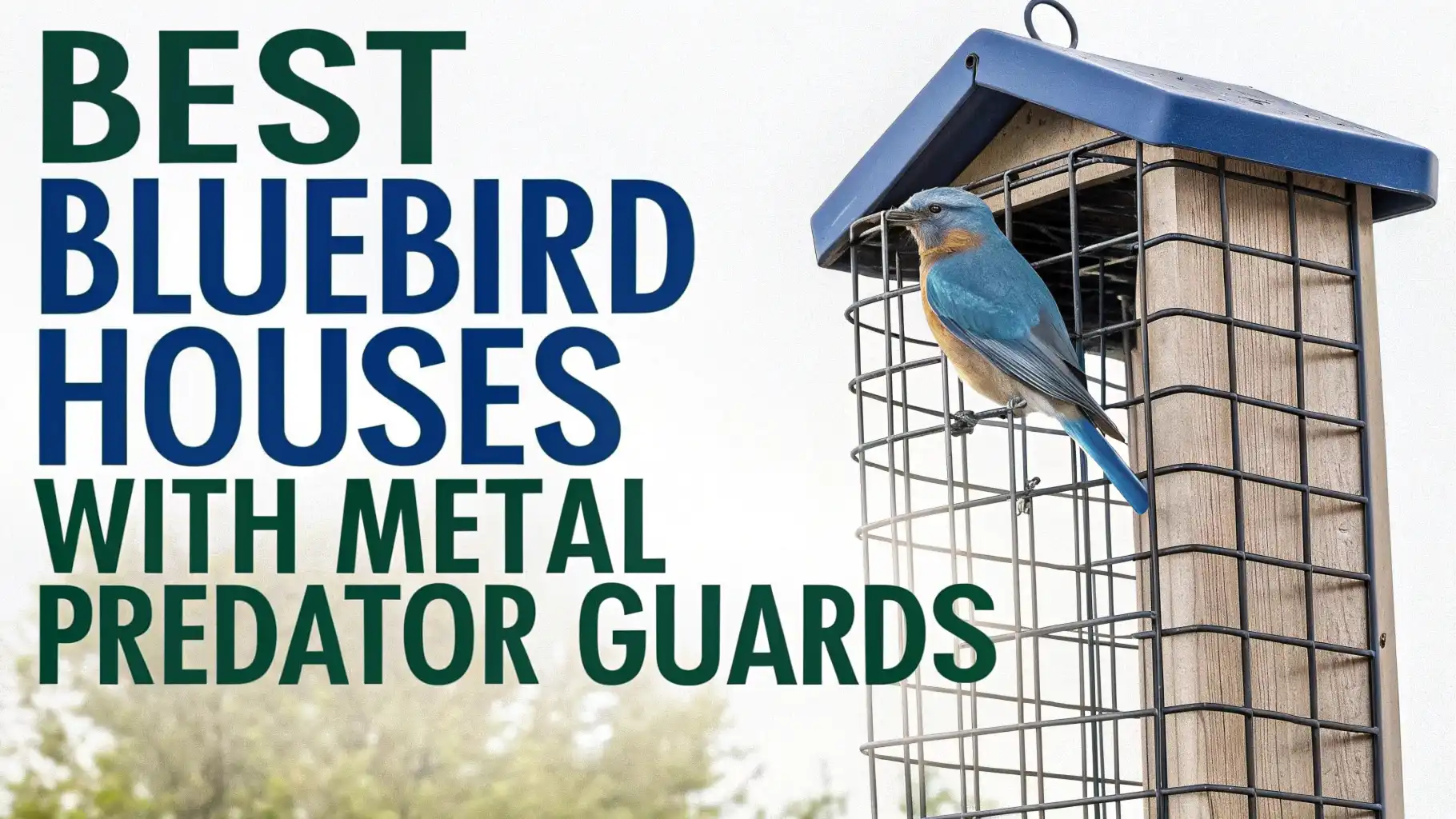
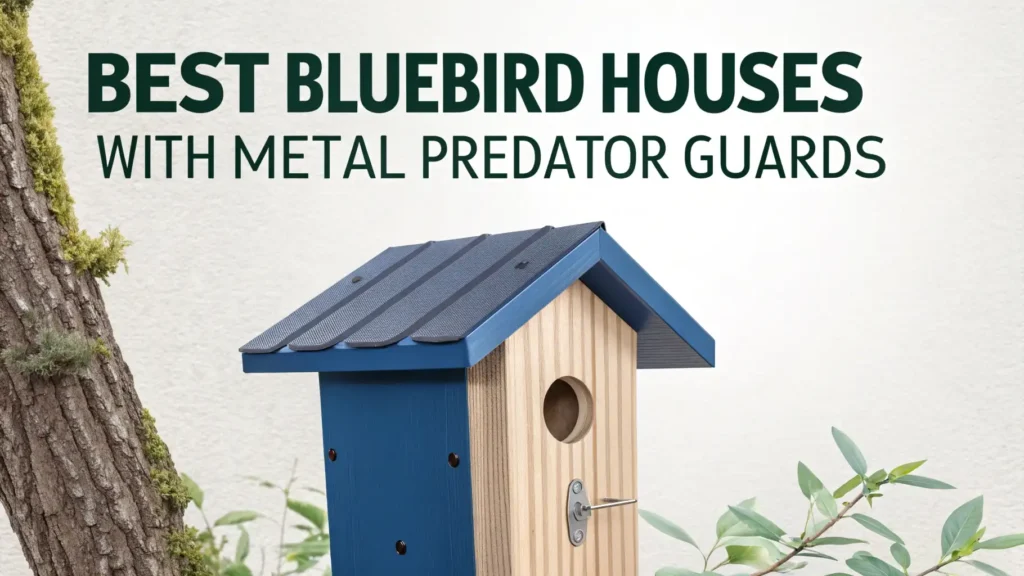
Cedar birdhouses equipped with metal predator guards offer the perfect combination of natural materials and protective features. Metal guards prevent predators from chewing through entrance holes or reaching inside to harm eggs and nestlings.
This guide explores seven top-rated bluebird houses available on Amazon. Each option combines quality construction with essential safety features that give bluebirds the secure environment they need to thrive.
Key Takeaways:
- Cedar construction provides natural insulation and resists rot better than other wood types, lasting multiple nesting seasons without deterioration
- Metal predator guards protect entrance holes from being enlarged by woodpeckers or chewed by squirrels, keeping eggs and nestlings safe from harm
- 1.5-inch entrance holes are the perfect size for Eastern bluebirds while preventing larger aggressive birds like starlings from entering
- Proper ventilation and drainage systems maintain healthy conditions inside the nest box, preventing mold growth and temperature extremes
- Easy-access cleaning doors allow you to monitor nests and clean between broods, which bluebirds need since they often raise multiple families per season
- Front-facing installation on poles or posts 4-6 feet high works best, positioned away from dense trees where predators can jump onto boxes
Understanding Bluebird House Requirements
Bluebirds have specific needs when selecting nest sites. These cavity-nesting birds naturally seek protected spaces where they can safely raise their young. Your backyard bluebird house must meet precise specifications to attract these beautiful songbirds.
The entrance hole size matters most. Eastern bluebirds need a 1.5-inch opening. This measurement prevents larger invasive species like starlings from taking over the nest box. The hole should sit 5-6 inches above the floor. This height protects nestlings from predators reaching inside.
Interior dimensions should measure approximately 4×4 inches to 5×5 inches on the floor. Bluebirds need enough room to build nests and raise their broods. The box depth should be 8-12 inches from floor to roof. Adequate space helps maintain proper temperature and airflow.
Cedar wood serves as the ideal construction material for bluebird houses. This naturally rot-resistant wood withstands weather without toxic chemical treatments. Cedar also provides excellent insulation during both hot summers and cool spring mornings. Avoid metal or plastic birdhouses entirely because these materials create dangerous temperature extremes that can cook eggs or chill nestlings.
Why Metal Predator Guards Are Essential
Predator guards protect vulnerable bluebird families from harm. Metal entrance hole protectors prevent predators from enlarging openings or reaching inside to grab eggs and baby birds. Raccoons possess dexterous paws that can reach deep into unprotected nest boxes. Squirrels and woodpeckers often chew around wooden entrance holes to create larger openings.
A quality metal guard adds 1-2 inches of depth around the entrance. This extension puts nest contents beyond the reach of most predators. Raccoons cannot stretch far enough through the metal tunnel to touch eggs or nestlings inside. The metal surface also resists chewing and pecking that would damage bare wood.
Copper and stainless steel guards work best for long-term durability. These metals resist rust and corrosion from rain and humidity. Copper develops an attractive patina over time while maintaining structural integrity. The added protection significantly increases nesting success rates.
Studies show nest boxes with predator guards experience fewer losses to predation. Bluebirds can successfully raise more broods when their homes include proper protection. Installing a metal guard transforms a basic nest box into a secure sanctuary that gives parent birds confidence to return year after year.
2 Pack Cedar Bluebird Houses with Copper Guard

- 1-1/2" ENTRANCE HOLE SIZE: SISTERBIRD bluebird houses for outside have a properly-sized entrance hole, through this blue bird houses for outside you can attract desirable species to your bluebird house, such as Bluebird, Wren, Tree Swallow, Chickadees, etc. While this blue bird house excluding predators and unwanted occupants, for example, European starlings
- HIGH-QUALITY MATERIALS: SISTERBIRD birdhouse kits for adults use untreated, unpainted cedar. bluebird nesting box has a rough surface, and birdhouses for outdoors can give birds a foothold as they enter and exit the cedar bluebird house. Cedar of birdhouses for outdoors clearance also can keep out weather-related damage
Last update on 2026-07-01 / Affiliate links / Images from Amazon Product Advertising API Some of the links on this website are affiliate links, which means that at no additional cost to you, I earn a commission if you click through and make a purchase. I only recommend products and services that I believe will add value to my readers. Thank you for your support!
These premium cedar bluebird houses deliver excellent value with their two-pack design. Natural cedar construction provides superior weather resistance and maintains comfortable interior temperatures. The included copper predator guards offer lasting protection that won’t rust or deteriorate over multiple seasons.
Each house features the proper 1.5-inch entrance hole positioned at the correct height. The copper guard extends the entrance to keep predators from reaching inside. Ventilation slots near the roofline promote healthy air circulation. Drainage holes in the floor prevent water accumulation after rainstorms.
The side-opening design makes monitoring and cleaning simple. You can check on nest progress without disturbing the birds too much. Cedar’s natural properties resist rot and insect damage, meaning these houses will serve bluebird families for many years. The two-pack option allows you to create a small bluebird trail on your property.
Pros:
- Durable natural cedar construction resists weather damage
- Copper predator guards won’t rust or corrode
- Two houses for the price provide excellent value
- Proper entrance hole size attracts bluebirds specifically
- Easy side-opening panels simplify monitoring and cleaning
Cons:
- Requires assembly before mounting
- May need additional waterproof sealant for extended life
- Copper guards may develop patina over time
Dreyoo Cedar Bluebird Box Houses Amazon’s Choice

- Well Made: our birdhouses are made of solid wood with a beautiful texture and fixed with nails for added durability; The wood surface is carbonized at high temperatures, making it resistant to weather
- Safety: the metal guard around the entrance hole helps provide a safe place for young birds to build a nest and raise their young

Last update on 2026-08-28 / Affiliate links / Images from Amazon Product Advertising API Some of the links on this website are affiliate links, which means that at no additional cost to you, I earn a commission if you click through and make a purchase. I only recommend products and services that I believe will add value to my readers. Thank you for your support!
This highly-rated two-pack option earns Amazon’s Choice designation for good reason. Premium cedar wood construction ensures years of reliable use in outdoor conditions. The stainless steel metal guard provides robust predator protection that maintains its appearance season after season.
The secure latch system keeps the front panel closed against wind and curious predators. Interior fledgling grooves help baby birds climb toward the entrance hole when they’re ready to leave the nest. Properly placed air vents regulate temperature without creating drafts that could chill young birds.
Installation proves straightforward with included mounting hardware. The 1.5-inch entrance hole sits at the optimal height from the floor. Drainage ensures water never pools inside even during heavy rain. The natural wood appearance blends beautifully with garden landscapes while providing the functional features bluebirds need.
Customer reviews consistently praise the solid construction and thoughtful design details. The metal predator guard adds essential protection without making the entrance difficult for parent birds to navigate. These boxes work equally well mounted on poles or attached to fence posts.
Pros:
- Amazon’s Choice for reliable quality and customer satisfaction
- Stainless steel guards resist rust in all weather
- Secure latches keep doors closed against predators
- Fledgling grooves assist young birds during their first flight
- Natural appearance complements garden settings
Cons:
- Slightly higher price point than basic models
- Assembly required before installation
- May need periodic wood treatment for maximum longevity
Decorative Metal Hanging Bird House for Outdoor Use

- Design and Material: Made from high-quality, weather-resistant metal, this birdhouse is built to last through all seasons. The shape is realistic, finely polished by multiple processes. It attracts small birds such as bluebirds, hummingbirds and chicks
- Warm Birdhouses: The outdoor hanging bird houses provide a warm home for birds against the cold wind, rain, snow and predators allows bird friends to fly with peace of mind. Your little bird and his friends will have a wonderful time
Last update on 2026-08-28 / Affiliate links / Images from Amazon Product Advertising API Some of the links on this website are affiliate links, which means that at no additional cost to you, I earn a commission if you click through and make a purchase. I only recommend products and services that I believe will add value to my readers. Thank you for your support!
This uniquely designed metal birdhouse adds decorative charm to gardens while serving wild birds. The artistic construction features weather-resistant metal throughout. Hanging design allows flexible placement from tree branches, hooks, or shepherd’s poles.
The metal construction differs from traditional wood boxes but includes ventilation openings. Weather-resistant coating protects against rust and corrosion. The entrance hole accommodates various small cavity-nesting birds. This house works better as supplemental habitat rather than primary bluebird housing because metal heats up quickly in direct sun.
Installation requires only a hanging hook or branch. The lightweight design moves gently in breezes. Decorative elements make this house an attractive garden accent. Consider placing it in partially shaded locations to prevent excessive heat buildup during summer.
Pros:
- Attractive decorative design enhances garden aesthetics
- Weather-resistant metal construction lasts for years
- Easy hanging installation requires no mounting hardware
- Lightweight and portable for seasonal repositioning
- Low maintenance compared to wooden houses
Cons:
- Metal can overheat in direct sun exposure
- Not ideal as primary bluebird housing
- May require shade positioning for bird safety
- Less insulation than wooden alternatives
Carbonized Cedar Wooden Nesting Box with Metal Guard

- Funny Design : Novelty birdhouse is well-designed to attract desirable species, such as bluebirds, wrens, tree swallows, and chickadees. Seeing your cute visitors will be fun.
- Sturdy and Well Built : Bird house is made of solid wood with beautiful texture and fixed with nails. The wood surface is carbonized at high temperatures. A stainless steel guard protects the entry hole.
Last update on 2026-07-01 / Affiliate links / Images from Amazon Product Advertising API Some of the links on this website are affiliate links, which means that at no additional cost to you, I earn a commission if you click through and make a purchase. I only recommend products and services that I believe will add value to my readers. Thank you for your support!
The carbonized finish on this cedar birdhouse creates attractive dark coloring while enhancing weather resistance. This heat-treatment process makes the wood even more durable against moisture and decay. The included metal predator guard provides essential entrance protection.
Sturdy construction methods ensure this house withstands years of outdoor exposure. The cleaning door opens easily for seasonal maintenance. Proper ventilation holes near the top prevent dangerous heat buildup. Floor drainage keeps the interior dry and healthy for nesting birds.
The carbonization process doesn’t require chemical treatments or paints. This natural method produces the distinctive appearance while maintaining cedar’s beneficial properties. The metal entrance guard prevents chewing and pecking damage that would compromise the entrance hole over time.
Budget-conscious buyers appreciate the competitive pricing without sacrificing essential features. The house includes all necessary components for immediate installation. The 1.5-inch entrance welcomes bluebirds while excluding larger invasive species that might take over the nest box.
Pros:
- Carbonized finish adds durability and attractive appearance
- Chemical-free treatment process safe for birds
- Affordable pricing makes bluebird housing accessible
- Metal guard prevents entrance hole damage
- Easy-clean design simplifies seasonal maintenance
Cons:
- Darker color may absorb more heat in direct sun
- Some users report needing additional mounting hardware
- Carbonized finish may wear over extended time
Cedar Bluebird Houses Double Pack with Metal Protection

- HIGH-QUALITY CEDAR WOOD CONSTRUCTION : Made from natural cedar wood, this outdoor bird house features a sturdy construction designed for backyard use. The textured carbonized surface adds a distinctive rustic look, helping the birdhouse blend naturally with trees, gardens, fences and other outdoor spaces.beauty.
- PREDATOR GUARD & FLEDGLING LADDER : A metal guard around the 1.5-inch entrance helps protect the opening from being enlarged by squirrels and other unwanted visitors. Internal grooves provide footholds that help young birds climb toward the entrance when they are ready to leave the nest.
Last update on 2026-08-28 / Affiliate links / Images from Amazon Product Advertising API Some of the links on this website are affiliate links, which means that at no additional cost to you, I earn a commission if you click through and make a purchase. I only recommend products and services that I believe will add value to my readers. Thank you for your support!
This value-oriented two-pack brings quality construction at a reasonable price point. Natural cedar wood provides the ideal nesting environment. Metal predator guards add crucial protection for vulnerable eggs and nestlings.
Each house features the critical specifications bluebirds require. The entrance holes measure exactly 1.5 inches at the proper height. Ventilation and drainage systems maintain healthy interior conditions. The carbonized wood treatment creates lasting weather resistance without toxic chemicals.
The two-pack design allows you to establish a mini bluebird trail. Placing multiple boxes at least 100 yards apart helps reduce territorial conflicts. Parent bluebirds can successfully raise multiple broods when they have access to clean, well-maintained nest boxes.
Assembly instructions guide you through setup. The side-opening panels allow easy monitoring of nest progress. Metal guards extend the entrance depth, making it impossible for raccoons to reach inside. This protection gives bluebird parents the security they need to raise healthy families.
Pros:
- Two-pack provides excellent value for multiple installations
- Natural cedar with carbonized treatment resists weather
- Metal guards offer reliable predator protection
- Proper ventilation and drainage maintain nest health
- Side-opening design simplifies monitoring and cleaning
Cons:
- Requires assembly before mounting
- Carbonized finish may vary slightly between units
- Some customers desire additional waterproofing
- Instructions could be more detailed
Choosing the Right Location for Your Bluebird House
Proper placement determines whether bluebirds will accept your nest box. Open areas with short grass provide ideal hunting grounds for bluebirds who feed on insects. Position houses 4-6 feet high on poles or posts away from dense tree cover.
Face the entrance hole toward open space rather than thick vegetation. Bluebirds prefer clear flight paths to and from their nest boxes. Avoid mounting houses directly on trees where predators can easily climb or jump onto the structure.
Space multiple houses at least 100 yards apart to respect bluebird territorial behavior. Each breeding pair claims a territory around their chosen nest site. Placing boxes too close together creates conflict that reduces nesting success.
Consider sun exposure when selecting locations. Morning sun provides warmth that helps parent birds start their day. Afternoon shade prevents dangerous overheating during summer’s hottest hours. The entrance should face away from prevailing winds that could blow rain inside.
Maintenance and Cleaning Between Nesting Seasons
Regular maintenance keeps bluebird houses safe and attractive to nesting birds. Clean nest boxes after each brood fledges and again at the end of nesting season. Old nesting material harbors parasites and bacteria that harm future occupants.
Remove old nests completely using a putty knife or similar tool. Scrub interior surfaces with a stiff brush and mild soap solution. Rinse thoroughly and allow the box to dry completely before closing it. Never use harsh chemicals or pesticides that could harm birds.
Inspect the metal predator guard for any loosening or damage. Tighten screws if needed and replace bent or broken guards. Check that the entrance hole maintains its 1.5-inch diameter. Wood may swell or shrink with weather changes affecting the opening size.
Apply natural wood preservatives to the exterior if cedar shows weather wear. Avoid painting the interior which can trap moisture and prevent proper cleaning. Proper maintenance ensures your bluebird house remains a safe haven for many nesting seasons to come.
Understanding Bluebird Nesting Behavior
Bluebirds typically raise 2-3 broods per season starting in early spring. Males arrive first to scout territories and choose potential nest sites. Females follow within days and inspect the male’s selected locations before deciding where to build.
The female constructs the nest using fine grasses and pine needles. She lays one egg per day until her clutch reaches 4-6 pale blue eggs. Incubation lasts approximately 14 days with the female sitting on eggs most of the time.
Both parents feed nestlings after hatching. Baby bluebirds grow rapidly on a diet of insects and spiders. Young birds fledge at 16-21 days old, leaving the nest to begin learning survival skills from their parents.
After the first brood fledges, pairs often nest again in the same box. Clean the used nest out promptly to encourage this second nesting attempt. Some pairs produce three successful broods in favorable conditions with ample food and good weather.
Attracting Bluebirds to Your Yard
Bluebirds need more than nest boxes to establish residence. Provide natural food sources by maintaining areas of short grass where they can hunt insects. Avoid pesticides that eliminate the caterpillars, beetles, and grasshoppers bluebirds feed their young.
Water sources attract bluebirds year-round. A shallow birdbath no deeper than 2 inches gives them safe drinking and bathing opportunities. Place the bath in open areas where predators cannot hide nearby.
Plant native shrubs and trees that produce berries bluebirds eat during fall and winter. Dogwood, holly, and serviceberry offer nutritious fruits when insects become scarce. Natural perching spots near nest boxes help adult birds watch for predators and survey for food.
Consider offering mealworms during nesting season. Live or dried mealworms provide protein-rich food that helps parents feed growing nestlings. Special feeders designed for mealworms prevent larger birds from stealing this valuable resource.
Dealing with Common Bluebird House Problems
House sparrows pose the biggest threat to bluebird nesting success. These aggressive invasive birds often take over bluebird boxes and may destroy bluebird eggs or kill nestlings. Remove house sparrow nests immediately and repeatedly until they abandon attempts.
Wasps sometimes build nests inside unoccupied bluebird houses. Check boxes regularly during early spring before birds begin nesting. Remove wasp nests carefully when they’re small and relocate the box if wasps persistently return.
Ants can invade active nests and irritate nestlings. Apply petroleum jelly or special ant guards to mounting poles to prevent climbing. Never spray insecticides near active nests which could harm baby birds.
Excess heat during summer threatens nestlings in poorly ventilated boxes. Ensure adequate air vents exist near the roofline. Position houses to receive afternoon shade or add ventilation holes if temperatures become dangerous.
Frequently Asked Questions
What size entrance hole do bluebirds need?
Eastern bluebirds require a 1.5-inch diameter entrance hole. This size allows bluebirds easy access while preventing larger invasive birds like European starlings from entering. The hole should sit 5-6 inches above the nest box floor for proper predator protection.
Why are metal predator guards important?
Metal predator guards prevent raccoons, squirrels, and woodpeckers from damaging entrance holes or reaching inside to harm eggs and nestlings. The metal extends the entrance depth so predators cannot stretch far enough to touch nest contents. This protection significantly increases nesting success rates.
How often should I clean bluebird houses?
Clean bluebird houses after each brood fledges and again at the end of the nesting season. Removing old nesting material eliminates parasites and bacteria that could harm future occupants. Bluebirds often raise 2-3 broods per season and appreciate clean boxes for each nesting attempt.
Where should I mount my bluebird house?
Mount bluebird houses 4-6 feet high on poles or posts in open areas with short grass. Face the entrance toward open space rather than dense vegetation. Position boxes at least 100 yards apart to respect territorial behavior. Avoid mounting on trees where predators can easily access the box.
Can I use metal birdhouses for bluebirds?
Pure metal birdhouses are not recommended for bluebirds. Metal heats up quickly in direct sun creating dangerous temperature extremes that can harm eggs and nestlings. Cedar wood with metal predator guards provides the ideal combination of natural insulation and protective features.
When do bluebirds start nesting?
Bluebirds begin nesting in early spring when males return to establish territories. Timing varies by region with southern areas starting in February and northern areas beginning in March or April. Bluebirds may raise 2-3 broods extending through summer into early fall.
Do bluebirds return to the same house each year?
Bluebirds often return to successful nesting sites year after year. They show strong site fidelity when they successfully raise broods in secure locations. Maintaining clean well-protected nest boxes encourages bluebirds to return each spring.

Hello, I’m Amelia White, the founder of birdsfanatic.com. As a lifelong bird enthusiast and spiritual seeker, I’ve always been fascinated by the mystical connections between birds and the human experience. On this site, I share my knowledge and insights into the symbolic meanings and spiritual significance of various bird species, exploring their roles in mythology, folklore, and cultural traditions. Join me on this journey into the world of birds, where we’ll discover the hidden wisdom and guidance that these magnificent creatures have to offer.