

7 Best Seed Tray Bird Feeders That Attract the Most Species
Bird watching brings joy to millions of homes across America. You can make your backyard the favorite dining spot for colorful cardinals, cheerful chickadees, and dozens of other feathered friends.
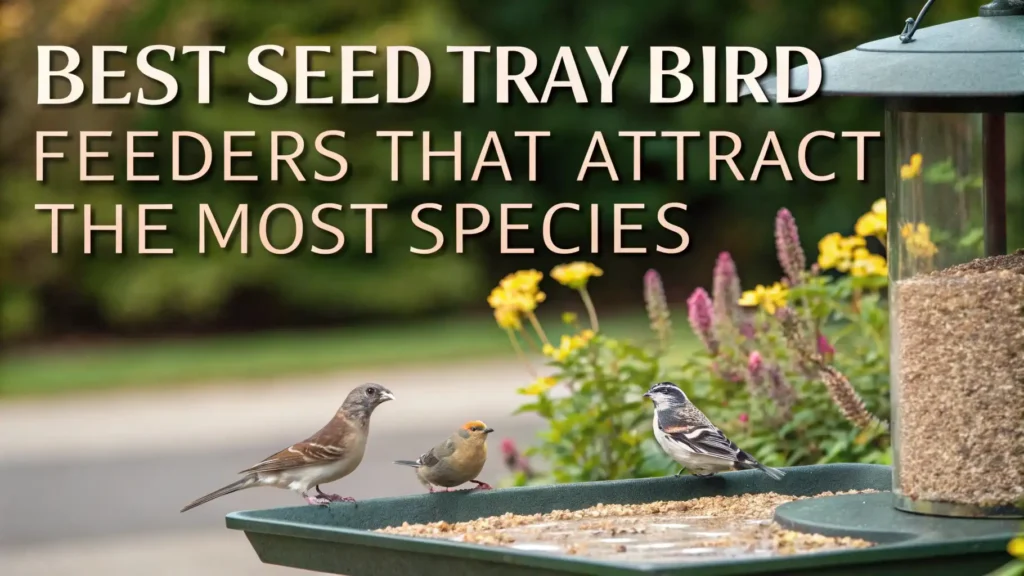
Seed tray bird feeders offer the perfect solution for feeding multiple bird species at once. These versatile feeding stations provide an open dining experience that birds naturally love.
Your garden can become a bustling hub of activity with the right seed tray feeder. This guide presents seven outstanding options that combine durability, functionality, and bird appeal into one package.
Key Takeaways
- Wide Bird Variety Access: Platform feeders attract more species than any other feeder type. Cardinals, jays, sparrows, finches, and even larger birds like doves find these feeders comfortable and accessible. The open design lets birds land, feed, and fly away with complete confidence.
- Easy Monitoring and Cleaning: You can see exactly how much seed remains at a glance. The simple design makes refilling quick and cleaning thorough. Regular maintenance keeps your birds healthy and your feeder looking great.
- Ground Feeding Birds Welcome: Many bird species naturally prefer feeding at or near ground level. Seed tray feeders satisfy this instinct while keeping food elevated above dampness and pests. Your backyard attracts juncos, towhees, and other ground feeders easily.
- Multiple Birds Feed Together: The spacious platform allows several birds to dine simultaneously. This social feeding reduces competition and stress. Your feeder becomes a peaceful gathering spot for the local bird community.
- Better Drainage Prevents Mold: Quality tray feeders feature mesh bottoms or drainage holes. Water drains away quickly after rain, keeping seeds fresh and dry. This design feature protects bird health and reduces seed waste.


Kingsyard Platform Mealworm Bird Feeder for Outside
This recycled plastic hanging tray delivers exceptional value and performance for serious bird enthusiasts. The green color blends naturally with outdoor environments while the 3.5 pound capacity means less frequent refilling. Premium quality construction ensures this feeder withstands years of use through all weather conditions.
The hanging design keeps seeds away from ground predators while remaining accessible to your favorite bird species. You get excellent visibility of visiting birds from any angle.
The spacious platform accommodates multiple diners at once, reducing territorial disputes. Durable materials resist cracking, fading, and warping even under harsh sun and freezing temperatures.
Pros:
Large 3.5 lb capacity reduces refill frequency
Made from environmentally friendly recycled plastic
Weather resistant construction lasts for years
Wide platform accommodates multiple birds simultaneously
Excellent drainage prevents seed spoilage
Cons:
Green color may show dirt more visibly than darker options
Hanging design requires sturdy mounting point
Larger size needs more storage space when not in use
Bird Seed Catcher Tray Platform Feeder Hanging Tray

This Amazon’s Choice winner solves the messy problem of fallen seeds cluttering your yard. The clever design catches seeds and husks before they hit the ground. Your patio stays cleaner while birds enjoy access to dropped food. Budget friendly pricing makes this an excellent starter option for new bird feeders.
The platform fits beneath most existing hanging feeders, adding functionality to your current setup. You attract ground feeding birds that pick through spilled seeds. The tray holds enough capacity to serve as a standalone feeder too. Simple installation gets you feeding birds within minutes.
Pros:
Catches falling seeds and reduces yard mess
Compatible with most existing hanging feeders
Affordable price point for budget conscious buyers
Attracts additional ground feeding species
Easy to install and maintain
Cons:
May need more frequent cleaning due to husk accumulation
Lighter construction than premium alternatives
Limited capacity when used as standalone feeder
Hanging Bird Feeder Tray Platform Metal Mesh

Metal construction gives this feeder superior durability and stability compared to plastic alternatives. The mesh bottom provides excellent drainage, keeping seeds dry in any weather. Birds feel secure on the stable platform. Rust resistant materials ensure long term performance without degradation.
The 9.97 dollar price point delivers tremendous value for a metal feeder. You get professional quality at a beginner friendly cost. The hanging design works perfectly in gardens, on porches, or from tree branches. Easy cleaning takes just minutes with a simple rinse and brush.
Pros:
Metal construction outlasts plastic alternatives
Excellent drainage through mesh bottom design
Very affordable for metal feeder quality
Stable platform reduces swaying in wind
Rust resistant finish maintains appearance
Cons:
Metal can get hot in direct summer sun
Smaller size limits capacity somewhat
May require cushioned hanging to reduce noise
MIXXIDEA Bird Feeder Hanging Tray

This wooden seed tray combines natural aesthetics with practical function. The green finish adds decorative appeal to your outdoor space. Real wood construction provides a comfortable landing surface that birds instinctively prefer. Mesh platform ensures proper drainage while the rim prevents seed spillage.
The large feeding area welcomes both small finches and larger jays comfortably. You can watch multiple species interact peacefully at the same feeder. The hanging design offers flexible placement options throughout your yard. Sturdy construction handles the weight of multiple birds plus a full seed load.
Pros:
Natural wood construction appeals to birds
Attractive green finish enhances yard decor
Large feeding area accommodates many birds
Rim design reduces seed waste
Mesh bottom promotes drainage and freshness
Cons:
Wood requires more maintenance than synthetic materials
May need periodic weatherproofing treatment
Heavier than plastic alternatives
Wild Wings Cedar Tray Bird Feeder

Cedar wood brings natural rot resistance to this hanging platform feeder. The aromatic wood naturally repels insects while remaining safe for birds. This feeder develops a beautiful weathered patina over time. Fresh seed tray design makes cleaning and refilling remarkably simple.
The platform style attracts the widest variety of birds to your feeding station. Cardinals, grosbeaks, juncos, and many other species eagerly visit cedar feeders. The natural wood blends seamlessly into garden environments. Rot resistant cedar maintains structural integrity through seasons of outdoor exposure.
Pros:
Cedar wood naturally resists rot and insects
Develops attractive weathered appearance
Attracts extremely wide variety of bird species
Easy to clean and refill
Blends naturally with outdoor landscaping
Cons:
Cedar requires occasional maintenance
Higher price point than synthetic options
Wood can warp if not properly cared for
Kingsyard Ground Bird Feeder for Outdoors

This ground level feeder provides a massive 5 pound capacity for serious feeding operations. The recycled plastic construction resists weather damage while supporting environmental sustainability. Brown color camouflages naturally with ground settings. Platform design welcomes birds, squirrels, and chickens equally.
Ground feeding matches the natural behavior of many beloved bird species. Doves, juncos, sparrows, and towhees prefer dining at ground level. The raised legs keep seeds above wet soil and grass. Large capacity means you can serve your entire backyard bird population without constant refilling.
Pros:
Huge 5 lb capacity reduces refill frequency
Recycled plastic supports environmental goals
Ground level matches natural feeding behavior
Accommodates birds, squirrels, and chickens
Raised design keeps seeds dry
Cons:
Ground placement may attract unwanted visitors
Larger footprint requires more yard space
Brown color shows seed debris more visibly
Clear Acrylic Window Bird Feeder

Window mounting brings birds within inches of your viewing position for incredible close up observation. The crystal clear acrylic provides unobstructed views from inside your home. Four strong suction cups hold securely to clean glass surfaces. Detachable seed tray makes cleaning and refilling convenient.
This feeder turns any window into a bird watching theater. You observe natural behaviors and stunning plumage details impossible to see from distance. Children and elderly family members enjoy birds without going outside. Highly transparent design practically disappears, keeping focus on the birds themselves.
Pros:
Window mounting provides closest possible bird viewing
Crystal clear acrylic offers unobstructed observation
Strong suction cups ensure secure attachment
Detachable tray simplifies maintenance
Perfect for children, elderly, and cat entertainment
Cons:
Requires regular window cleaning for clear views
Suction cups may need periodic repositioning
Limited capacity compared to larger feeders
Birds may strike window initially until accustomed
Understanding Seed Tray Feeder Benefits
Platform feeders offer advantages that tube and hopper feeders cannot match. The open design provides 360 degree access for birds of all sizes. Timid species feel safer when they can see predators approaching from any direction. The spacious surface accommodates natural feeding behaviors.
Seed variety matters greatly for attracting diverse bird populations. You can offer multiple seed types on one platform, letting birds choose their preferences. Sunflower seeds, nyjer, safflower, and mixed blends all work perfectly in tray feeders. This variety brings more species to your yard than single seed options.
Drainage quality directly impacts seed freshness and bird health. Mesh bottoms or drainage holes prevent water accumulation that causes mold growth. Wet seeds spoil quickly and can sicken birds. Quality tray feeders keep food dry and safe through rain and snow.
Choosing the Right Location for Your Feeder
Placement determines your feeder’s success or failure. Birds need clear flight paths for safe approaches and quick escapes. Position feeders at least 10 feet from dense bushes where predators might hide. Too close to cover creates ambush opportunities for cats.
Window feeders require clean glass and thoughtful placement to prevent bird strikes. Start by placing feeders very close to windows, within three feet. Birds cannot build dangerous speed at this distance. Alternatively, position feeders more than 10 feet away, giving birds clear recognition of the barrier.
Ground level feeders benefit from partially open areas with nearby escape cover. Birds want quick access to protective bushes if danger appears. Completely open areas make birds nervous. Totally enclosed spaces prevent predator detection. The ideal balance offers clear sightlines with nearby safety.
Maintaining Your Seed Tray Feeder
Regular cleaning protects bird health and extends feeder life. Empty and clean feeders every two weeks minimum, more frequently in wet weather. Use mild soap and hot water to remove residue. Rinse thoroughly to eliminate soap traces. Dry completely before refilling to prevent mold growth.
Inspect feeders regularly for damage or wear. Wood feeders may need periodic sealing or staining to maintain weather resistance. Check metal feeders for rust spots. Tighten loose hardware on hanging feeders. Replace worn suction cups on window models before failure occurs.
Seed freshness matters as much as feeder cleanliness. Store bird seed in sealed containers away from moisture and pests. Buy quantities you can use within a month. Discard seeds that smell musty or appear moldy. Fresh seed attracts more birds and provides better nutrition.
Selecting the Best Seeds for Tray Feeders
Black oil sunflower seeds reign as the universal favorite among backyard birds. The thin shells crack easily for small birds while providing high fat content. Cardinals, chickadees, nuthatches, and finches all eagerly consume these seeds. Stock your feeder primarily with black oil sunflower for maximum bird traffic.
Mixed seed blends attract diverse species with varied preferences. Look for quality mixes containing sunflower, safflower, and white millet. Avoid cheap mixes with excessive filler grains that birds reject. The rejected seeds create mess and waste money. Premium blends cost more but deliver better results.
Specialized seeds attract specific target birds. Nyjer thistle draws goldfinches and pine siskins. Safflower deters squirrels while cardinals love it. Peanuts attract jays, woodpeckers, and nuthatches. Offering multiple seed types in separate sections of your platform feeder maximizes species diversity.
Dealing with Common Feeder Problems
Squirrels challenge every bird feeder owner eventually. These persistent acrobats empty feeders rapidly while frightening birds away.
Baffles above hanging feeders prevent climbing access. Pole mounted baffles stop ground approaches. Consider weight activated feeders that close under squirrel weight. Offering squirrels their own feeding station sometimes reduces raids on bird feeders.
Wet seeds create frustration and waste. Choose feeders with excellent drainage design to combat moisture problems.
Add covers or roofs to protect feeding surfaces from direct rain. Empty and dry feeders after major storms. Store backup seed supplies in waterproof containers. Weatherproof construction makes wet climate feeding possible.
Unwanted birds sometimes dominate feeders, excluding preferred species. Aggressive grackles, starlings, or blackbirds can monopolize feeding stations.
Adjustable perches and restricted access points favor smaller songbirds. Offer larger birds alternative feeding areas away from main stations. Temporarily switching to safflower seed discourages some pest species.
Enhancing Your Bird Feeding Experience
Add fresh water near feeders to create a complete bird habitat. Birds need reliable water sources for drinking and bathing year round. Simple birdbaths attract as many species as feeders. Keep water fresh and clean with regular changes. Heated birdbaths prevent freezing in winter climates.
Native plants complement bird feeders beautifully while providing natural food sources. Berry producing shrubs offer supplemental nutrition during migration seasons.
Seed bearing flowers attract birds even without feeders. Native plants support local insect populations that birds feed to nestlings. Creating layered habitat with feeders and plants maximizes bird diversity.
Keep binoculars and field guides handy for bird identification. Learning to recognize different species increases your enjoyment of bird feeding activities. Note seasonal changes in visiting species. Track first arrival dates for migrant birds. Recording observations creates lasting memories of your backyard bird community.
Frequently Asked Questions
What types of birds prefer seed tray feeders?
Platform feeders attract the widest variety of species compared to other feeder styles. Cardinals love the spacious perching area. Sparrows, juncos, and towhees appreciate the ground level feeding option. Jays, grosbeaks, finches, and chickadees all regularly visit quality tray feeders. Even larger birds like doves and quail use these feeders comfortably.
How often should I clean my seed tray feeder?
Clean tray feeders every two weeks minimum during normal weather conditions. Increase cleaning frequency to weekly during wet seasons when mold risk increases. Always clean immediately if you notice wet, clumped, or discolored seeds. Regular cleaning prevents disease transmission between birds while keeping your feeder attractive.
Can I use seed tray feeders in winter?
Seed tray feeders work excellently throughout winter months when birds need supplemental food most. Choose models with drainage to prevent ice buildup. Brush snow off platforms after storms to maintain access. Consider covered designs that protect seeds from heavy snowfall. Winter feeding supports bird survival during challenging conditions.
Do platform feeders attract squirrels?
Platform feeders do attract squirrels due to their easy access design. Combat this by using squirrel baffles on poles or hanging chains. Weight activated mechanisms close some feeders under squirrel weight. Offering squirrels dedicated feeding stations sometimes reduces bird feeder raids. Accept that some squirrel visits remain inevitable with platform style feeders.
Where should I position my seed tray feeder?
Place feeders in partially open areas with nearby protective cover for bird safety. Position 10 to 15 feet from dense bushes to prevent predator ambush. Ensure clear flight paths from multiple directions. Ground feeders need flat, stable surfaces. Hanging feeders require sturdy supports that prevent excessive swaying. Window feeders mount on clean glass surfaces away from reflective glare.

Hello, I’m Amelia White, the founder of birdsfanatic.com. As a lifelong bird enthusiast and spiritual seeker, I’ve always been fascinated by the mystical connections between birds and the human experience. On this site, I share my knowledge and insights into the symbolic meanings and spiritual significance of various bird species, exploring their roles in mythology, folklore, and cultural traditions. Join me on this journey into the world of birds, where we’ll discover the hidden wisdom and guidance that these magnificent creatures have to offer.