

Louisiana Local Backyard Bird Guide
If you want to attract the diverse birds of Louisiana, knowing the common species and their behaviors is important. Identifying songbirds, watching raptors, and understanding migratory patterns will improve your birdwatching. Place feeders in good locations to invite colorful visitors. However, birdwatching also involves considering habitats and nesting sites. What other things can help make your backyard birding successful?
Key Takeaways
- Familiarize yourself with common backyard birds in Louisiana, such as Northern Cardinals and Blue Jays, to enhance your birdwatching experience.
- Utilize feeders placed near dense shrubs or trees to attract a variety of bird species and improve your observation opportunities.
- Learn to identify songbirds by their unique calls, like the Carolina Wren's sweet tune versus the Grey Catbird's trills.
- Observe raptors such as Red-tailed Hawks and Cooper's Hawks, focusing on their size, color, and flying patterns for accurate identification.
- Understand local waterfowl and their habitats to deepen your appreciation for Louisiana's biodiversity and support conservation efforts.
Common Backyard Birds of Louisiana
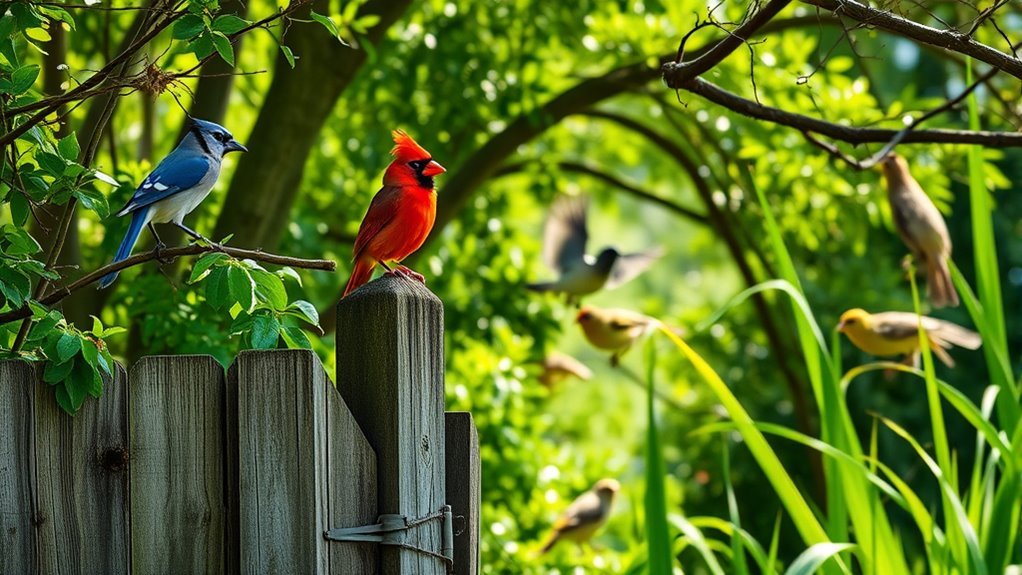
Have you ever thought about the birds in your Louisiana backyard? Louisiana's ecosystems attract many common backyard birds. You can bring in visitors like the Northern Cardinal, Blue Jay, and Chickadee by placing feeders wisely.
Set your feeders near dense shrubs or trees. This provides cover for the birds and makes it easier for you to spot them.
Learn the colors and calls of these birds to help with identification. For example, the bright red of the Northern Cardinal stands out against green leaves. The Blue Jay's bold blue color also catches the eye.
With some patience and the right setup, you can create a welcoming space to enjoy the beauty of these birds with your family.
Identifying Songbirds
Identifying songbirds can improve your birdwatching in Louisiana backyards. Listen to their unique songs; these melodies help you recognize different species. For example, the sweet calls of a Carolina Wren differ from the trills of a Grey Catbird.
Look at their field marks too. Color, size, and behavior provide important clues. A bright yellow belly often means a Common Yellowthroat, while spots and streaks can indicate a Song Sparrow.
Notice where they like to be. Some birds prefer dense shrubs, while others favor open spaces.
Observing Raptors in Your Backyard
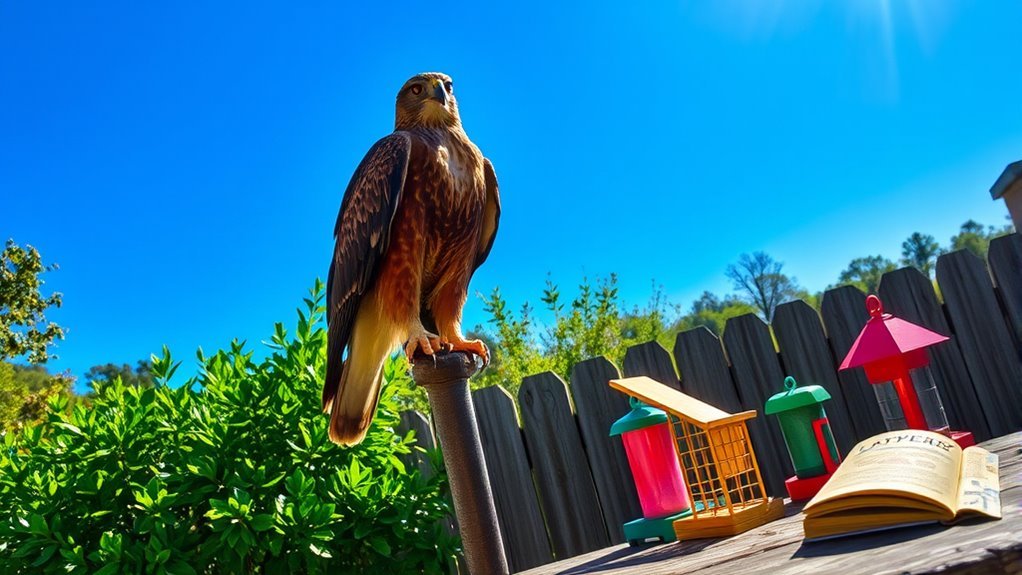
Watching raptors in your backyard can be exciting and rewarding. In Louisiana, you may spot birds like the Red-tailed Hawk or the Cooper's Hawk.
To identify these birds, focus on their size, color, and flying patterns. Look for their unique shapes as they fly high or sit in trees. Using binoculars can help you see them better and notice important details for identification.
Keeping a journal of your sightings, including dates and locations, can help you feel more connected to the raptors near you. This practice enhances your understanding and enjoyment of these amazing birds.
Enjoy your birdwatching!
Unique Waterfowl Species
Waterfowl species provide an interesting view of the birds in Louisiana's wetlands and waterways. You can find several unique species here, each with special habits that help them thrive in this environment.
For example, the American Black Duck migrates shorter distances than other ducks. This allows it to use local food sources effectively.
The Wood Duck nests in tree cavities, a clever way to avoid predators. Observing these behaviors helps you appreciate Louisiana's biodiversity and supports conservation efforts.
Learning about these waterfowl enriches your outdoor experiences and strengthens your connection to nature. Enjoy your time discovering these amazing birds!
Seasonal Migratory Birds
As the seasons change, seasonal migratory birds flock to Louisiana's wetlands. This brings energy and color to the landscape.
Birds like snow geese and warblers follow migration paths shaped by environmental signals.
However, challenges like habitat loss and climate change can impact their routes. Shifts in weather may affect their resting places, which can harm their health and survival.
Watching these migratory birds allows you to enjoy nature's beauty and join a community that values conservation. This involvement enhances your experience and connects you to Louisiana's ecosystem.
Attracting Birds to Your Garden
To attract birds to your garden, create a welcoming space that meets their basic needs for food, shelter, and nesting.
Use native plants, as they provide familiar food sources and habitat for local birds.
Place bird feeders where they're visible and close to dense shrubs or trees. This gives birds quick escape routes from predators.
Water sources, like birdbaths, also make your garden more attractive to birds.
By making your garden inviting, you'll support a variety of bird species.
This helps connect you with nature and enjoy the wildlife in Louisiana.
Bird Feeding Tips and Techniques
Put out bird feeders consistently. This helps birds learn where to find food. Choose birdseed based on the types of birds you want to attract. For instance, use sunflower and safflower seeds for finches. Mixed seed blends can attract many different birds.
Place feeders in safe locations, such as near shrubs or trees. This gives birds cover from predators.
Clean feeders regularly to keep food fresh and prevent diseases. Keep an eye on which birds visit your feeders. This will help you adjust the seed types as needed.
Understanding Bird Behaviors
Understanding bird behaviors can improve your backyard experience. By observing birds, you can build connections with them and learn about their social interactions.
For example, male birds often show territorial behavior. They puff up, sing loudly, or display to protect feeding spots or nesting areas. Recognizing these signs helps you anticipate conflicts and change your feeding methods to attract different species.
Additionally, learning about their courtship rituals can deepen your appreciation for their mating habits. Sharing your observations with other bird lovers creates a sense of community.
The more you understand bird behaviors, the more you enhance your backyard environment. This knowledge benefits both you and the birds, making your outdoor space more enjoyable.
Habitats and Nesting Sites
Understanding bird behaviors is important. However, knowing about habitats and nesting sites is equally crucial for attracting birds to your backyard. Different bird species prefer specific habitats, such as dense shrubs or open fields.
By providing a mix of environments, you can attract more bird species.
To encourage nesting, include materials like twigs, grasses, and feathers in your yard. Install birdhouses that fit the needs of local birds.
Place these birdhouses in quiet, sheltered areas to make them more appealing. Safe and suitable habitats help support bird breeding and create a community among birdwatchers and nature lovers.
Your efforts can lead to a lively and diverse backyard ecosystem.
Birdwatching Etiquette
Creating a bird-friendly environment improves your backyard and helps you enjoy birdwatching.
To appreciate birds fully, follow these simple birdwatching etiquette rules. These practices ensure both your enjoyment and the safety of the birds.
- Keep your distance: Watch birds from afar. This reduces their stress and keeps them comfortable.
- Stay quiet: Speak softly and avoid sudden movements. Loud noises can scare away birds.
- Do not feed wild birds: Feeding can change how birds search for food and make them reliant on humans.
Resources for Birdwatchers
To improve your birdwatching experience, use various helpful resources. Start with guidebooks focused on Louisiana birds. These books give you information on identifying birds, their behavior, and their habitats.
Online resources and apps provide interactive maps and real-time sighting reports, making birdwatching more engaging. Joining local birdwatching clubs or online forums allows you to connect with other bird lovers and share experiences.
You can also find workshops that teach you more about birdwatching. Lastly, consider subscribing to birdwatching magazines. They often share seasonal highlights and expert tips.
Using these resources will enhance your skills and help you feel part of the birdwatching community. Enjoy your birdwatching journey!
Frequently Asked Questions
What Time of Year Is Best for Birdwatching in Louisiana?
The best time for birdwatching in Louisiana is in spring and winter. During spring, many birds migrate, bringing various species to the area. In winter, birds look for food, making them easier to spot. Birdwatchers can enjoy diverse species during these seasons, enhancing their connection with nature.
Are There Any Birdwatching Clubs in Louisiana?
Yes, there are many birdwatching clubs and groups in Louisiana. These organizations offer a great chance to meet other birdwatching fans. You can join them for birdwatching events throughout the year. Engaging with these clubs can enrich your birdwatching experience and make it more enjoyable.
How Can I Recognize Bird Droppings?
To identify bird droppings, look at their size, shape, and color. Different birds leave different droppings. For example, sparrows have small, round droppings, while doves produce longer droppings. Recognizing these characteristics can make your birdwatching more enjoyable.
What Tools Do I Need for Backyard Birdwatching?
For backyard birdwatching, you need binoculars for a clear view of birds. Choose binoculars that are comfortable to hold. Bird feeders will attract various bird species to your yard. Knowing what birds eat will help you appeal to their preferences. This knowledge connects you with the birds in your community. Enjoy watching and learning about them!
Can I Participate in Citizen Science Bird Studies in Louisiana?
Yes, you can take part in citizen science bird studies in Louisiana. Various organizations are open to your participation. You can help collect data about local birds while learning more about their populations and habitats. Engaging in these studies is a great way to connect with nature and contribute to science.

Hello, I’m Amelia White, the founder of birdsfanatic.com. As a lifelong bird enthusiast and spiritual seeker, I’ve always been fascinated by the mystical connections between birds and the human experience. On this site, I share my knowledge and insights into the symbolic meanings and spiritual significance of various bird species, exploring their roles in mythology, folklore, and cultural traditions. Join me on this journey into the world of birds, where we’ll discover the hidden wisdom and guidance that these magnificent creatures have to offer.

